


Zest Magazine
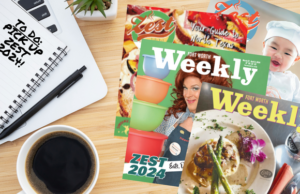
Welcome to Zest 2024
It’s time for our annual deep dive into our local culinary scene, and why not now? With patio season upon us and all the...

Latest from NEWS

Texas Forgetting
So, I’m sitting in a Port Lavaca hotel room on a weekday evening, thinking about winding down. It’s been a long drive from Fort...
Hope and Joy
My daddy always swore it was true, and, I guess, a 14-year-old boy would notice such things.
When Montgomery, Alabama, finally got word of Japan’s...






Latest from ARTS
Room to Breathe
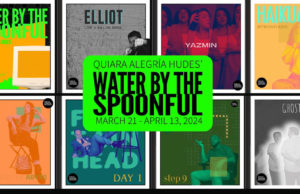
While lecturing to her students about John Coltrane’s seminal 1965 album A Love Supreme, Yazmin Ortiz, a 29-year-old Puerta Rican adjunct professor of music,...

Flowers ’n’ Sh*t
Dominique Ransom knew she had a cute shop. After all, she had designed Lilac Tattoo Studio with the “divine feminine” in mind. Her bright,...



Latest from EATS & DRINKS
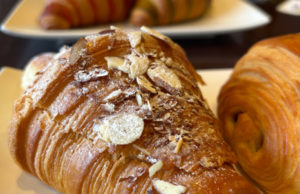
Not-So-Petite “Patissery”
Patissery, 425 W 3rd St, FW. 214-888-8031. 8am-7pm Mon, Wed-Sat; 8am-4pm Tue.
“Two and a half weeks. We were waiting to get more attractive people behind...
Flying High
While the Boiled Owl Tavern wasn’t the first hangout to appear during West Magnolia Avenue’s boom over the last two decades –– Benito’s, the...

Latest from SCREEN
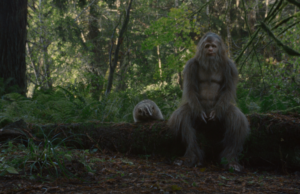
Sasquatch Sunset: The Last of Us
I don’t know if Sasquatch Sunset will wind up being the strangest movie I see in 2024, but it will definitely be a big...
Film Shorts // April 17-23, 2023
OPENING
Abigail (R) The latest horror-comedy by Radio Silence (Ready or Not) is about a group of criminals who kidnap a little girl (Alisha Weir)...




Latest from MUSIC
An Olive Grove
As a songwriter, progressive advocate, and human being living in the United States of America in the year 2024 CE, one of the main...
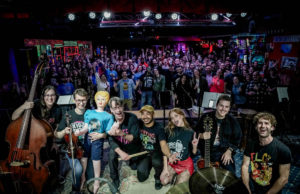
There I Ruined It — Live
The meta of music is forever changing — that’s the beauty of artistry. One can never quite predict which direction things will turn. Beyoncé...






Latest from STUFF
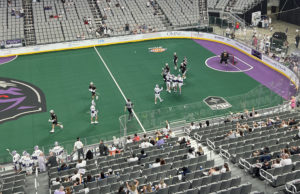
Sports Rush: Playoff Buzz Includes Fort Worth
North Texas has a serious playoff buzz on right now.
The Dallas Stars won the NHL’s Central Division and will most likely rank first in...
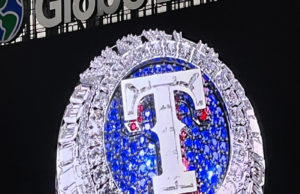
Ringing in the Champs
“Your World Series champion Texas Rangers” has a certain ring to it — one adorned with diamonds and a little Rangers history.
The local team recently...



Latest from Hittin' the Fort





Holidays
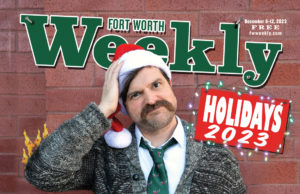
Holidays 2023
We get it. Not everyone digs the holidays. I kinda don’t. The biggest reason is probably that my family buried our 63-year-young father on...




Best Of
Best Of 2023
Welcome to Best of 2023
Thank you, dear readers, for picking up or surfing to our 27th annual Best Of issue. We hope you find it...




Summer Edition
Welcome to the Summer Edition 2023
It’s summer, so make sure to keep the thermostats at a crisp, cool 78 degrees to prevent our grid from collapsing — again. Thank you....


Blotch Blogs

Critter Corner // Have a Pet-and-Earth Friendly April
Promotional Feature
Guest contributor Shawna Gibson from SHAW'S Paws Pet Services (@FetchPetSit, 817-296-1769) has been caring for their own (and other people's) furkids for more...

The Best Place to Trade CS2 (CS:GO) Skins in 2024
CS2, released last year, has become a huge landmark of gameplay for competitiveness and interaction with the community. The CS2 development team not only...
Game Day: Hornets Take on Mavericks
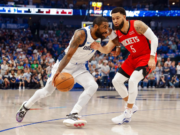
On Tuesday, the Charlotte Hornets face a challenging game against the Dallas Mavericks, highlighting a contrast between two teams with very different seasons. The...
On the Calendar

N&D 4.10.24 // Sensory Explorations, Open Streets & Blue Angels
Thursday, April 11, 2024
At 5pm, the Amon Carter Museum of American Art (3501 Camp Bowie Blvd, Fort Worth, 817-738-1933) hosts an evening of cocktails, conversations,...
N&D 4.03.24 // FWFWF, South Street Art Festival & Flowercade!
Thursday, April 4, 2024
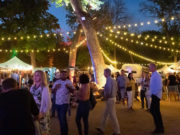
A four-day celebration seeking to “foster, celebrate, and sustain” Fort Worth’s hospitality community, the Fort Worth Food + Wine Festival is finally...
ATE DAY8 of Totality!
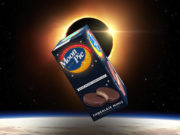
Don’t let the potentially cloudy weather eclipse your good time (hey-oh!) during the massive planetary event on Monday. Go where there’s good grub and...

ATE DAY8 of Easter Brunch
Know how crowded bars get on New Year’s Eve? Well, Easter Sunday is the restaurant equivalent of that. For most of the ideas below, you’ll...