


Margin pressure rarely comes from one big mistake. It usually comes from a pile of small operational misses: a slow cashier, a delayed KYC review, unclear trading rules, and a content roadmap that outgrows the platform. For teams scanning igaming companies in cyprus, the real question is not location prestige but whether the stack will hold under live pressure. This is the decision that separates a fast launch from an expensive rewrite.
Where It Breaks
The break usually happens when operators buy a market story instead of an operating model. A vendor can look polished in demos, then wobble on derby weekend when in-play traffic jumps, cash-out requests pile up, settlement queues slow down, and support cannot trace a rejected bet across wallet, odds, and player account logs.

Cyprus adds another trap. Teams often assume one local setup can support every product line the same way. It cannot. The cost of misinterpreting the local framework manifests itself later in rework, delayed launches, and stranded integrations if your roadmap combines sportsbook, casino-style content, affiliates, and multiple payment flows.
What the evidence shows
The National Betting Authority keeps this market unusually legible. Its public Class B register currently lists 14 licensed online bookmakers, and its Q3 2024 statistics report also showed 20,733 blocked sites tied to unlicensed or illegal betting services. That combination tells operators something useful: market entry is visible, and enforcement is not theoretical.
The rulebook is narrower than many first-time entrants expect. In an April 2024 warning, the regulator said licensed online Class B activity covers online betting, while online casinos, online slots, online bingo, and spread betting are illegal. Its AML Directive 15.2024 and safer gambling strategy also show that player protection and controls sit close to the operating core.
The Gate-and-Load Check
That is why I use a simple screen before any vendor short list: the Gate-and-Load Check. “Gate” means legal fit, payments, AML, and reporting. “Load” means what happens when live traffic spikes and every weak integration gets exposed at once. Ask the provider to walk through these checks before you price anything:
Which products can you legally support in the target market today, and which ones stay out of scope?
Show the incident path for one rejected withdrawal, from player action to PSP response to back-office note.
Run a peak-traffic drill for live betting or a major tournament and show where queues form first.
Explain how KYC, AML review, and bonus controls interact when a player changes payment behavior mid-session.
Show one migration rollback plan for content, wallets, and player balances if a release fails.
Prove who owns the settlement, dispute evidence, and audit logs when several vendors are involved.
Trade-offs That Matter
A unified stack usually helps smaller teams because audit trails, content updates, and release ownership sit closer together. But the same choice reduces flexibility. You may get faster deployment and cleaner support routes, while giving up some bargaining power on niche providers, custom trading logic, or highly specific cashier flows.
An unbundled strategy may still be appropriate. Separate vendors may give you more negotiation power and more specialized knowledge if you already have robust internal teams for payments, fraud, and products. More contracts, more release dependencies, more incident handoffs, and more space for disputes when KYC, payment retries, or bonus abuse situations cross system boundaries are all costs associated with operational drag.
What Operators Can Build With NuxGame
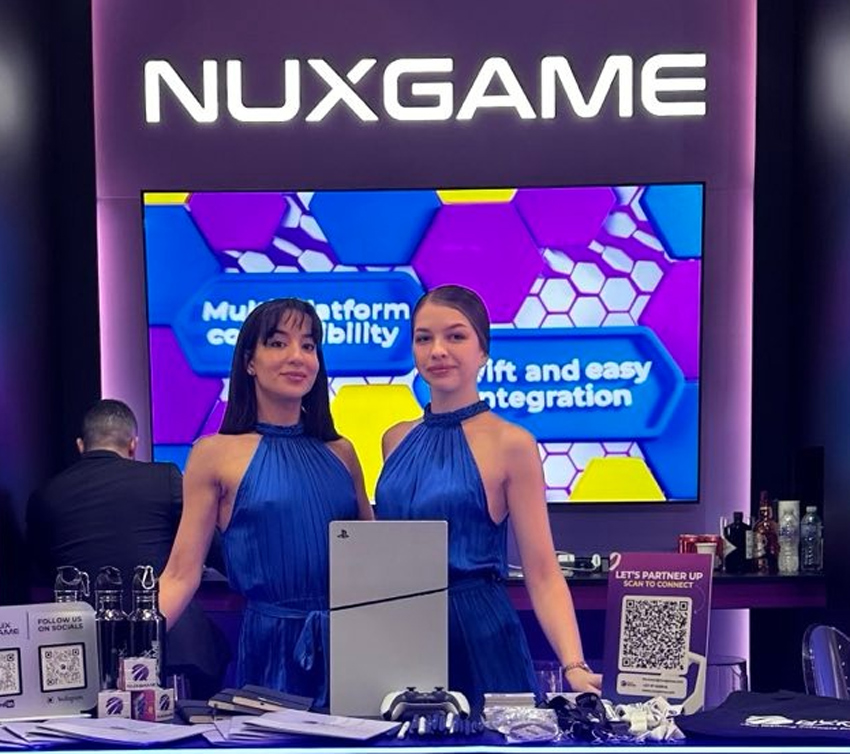
NuxGame is most useful when the real problem is operational sprawl, not a lack of features. Operators comparing igaming companies in cyprus should ask which partner can cut integration overhead without hiding the controls. Among igaming companies in cyprus, the better signal is a platform that connects content, payments, and reporting without turning every change into a multi-vendor project.
That does not guarantee compliance or performance, and no vendor should promise that. What it can do is reduce coordination risk. NuxGame’s public materials describe turnkey deployment, back-office tooling, a game aggregation platform, single-API content access, and multi-currency payment handling as the core operating model.
Rewriting your RFP on failure points rather than feature wish lists is a wise approach this week. Request one licensing-fit review, one payment-failure drill, one peak-traffic incident flow, and one migration rollback plan from each provider. More information about whether your future launch can withstand actual operating pressure will be revealed by that exercise than by any sales deck.