


Texas has the second-largest population in the United States, yet its residents cannot place a legal wager on a football or basketball game. The state where the Dallas Cowboys fill 80,000 seats on Sundays and the Houston Astros pack their stadium through October has no operational sportsbooks. No apps. No retail windows at casinos. Nothing resembling the betting infrastructure that exists in dozens of other states across the country.
As of March 2026, sports betting remains fully illegal in Texas. Both online platforms and brick-and-mortar operations are prohibited under state law. For the millions of sports fans living between El Paso and Beaumont, the options remain limited to alternatives that do not involve placing traditional wagers on game outcomes.
What Texas Law Actually Says

State gambling statutes in Texas are among the most restrictive in the country. The law classifies most forms of betting as illegal unless specifically exempted. Horse racing, greyhound racing, and the state lottery fall into the permitted category. Sports betting does not.
The Texas Legislature meets in odd-numbered years, which means 2026 passed without any legislative session. The next opportunity for lawmakers to consider any gambling bills will come in 2027. This biennial schedule has slowed momentum for legalization advocates who watched neighboring states open their markets years ago.
The 2025 Legislative Session
Multiple bills aimed at legalizing sports betting were filed during the 2025 legislative session. House Joint Resolution 134 and Senate Joint Resolution 16 represented the most notable efforts. These bills would have put the question of legalized sports betting to Texas voters through a constitutional amendment referendum.
HJR 134 never advanced out of committee. Its official status reads “Introduced-Dead,” meaning the House State Affairs Committee did not advance it to a floor vote. Similar bills met the same fate.
Where Key Officials Stand
Lt. Gov. Dan Patrick controls the flow of legislation through the Texas Senate. In December 2025, Patrick stated publicly that he is “simply not there yet” regarding casino and sports betting legalization. His position carries considerable weight because he determines which bills receive floor consideration in the Senate.
Governor Greg Abbott has expressed support for legal sports betting. However, gubernatorial support alone cannot pass legislation that stalls in the Senate. The gap between Abbott’s position and Patrick’s reluctance creates uncertainty about when legalization might move forward.
Tools Texas Bettors Use While Waiting for Legalization
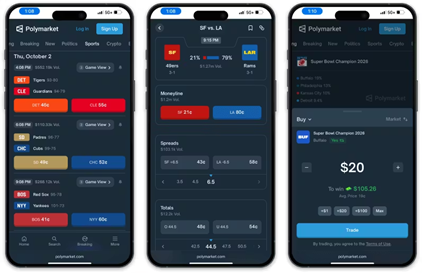
With retail and online sportsbooks still prohibited, many Texas residents have turned to prediction apps and daily fantasy sports platforms to stay engaged. Some use DFS apps like DraftKings and FanDuel for cash contests, while others explore prediction markets such as Kalshi. For those researching their options, this comprehensive list of prediction apps by Covers offers a useful starting point alongside user reviews on app stores and forums.
Social sportsbooks have also gained traction among Texans who want to follow games with simulated wagering. These platforms operate on a sweepstakes model and do not require real-money deposits to participate.
Daily Fantasy Sports Operate Legally
One form of sports-related gaming does function openly in Texas. Daily fantasy sports contests are available to residents who are 18 years old or older. DFS platforms allow users to build rosters of real athletes and compete for cash based on statistical performance.
The legal distinction between DFS and sports betting rests on the concept of skill-based competition. Texas law treats fantasy contests differently from wagers placed directly on game outcomes. This interpretation has allowed DFS operators to accept Texas customers without state-issued licenses.
What Legalization Could Mean Financially
A January 2026 study by Eilers & Krejcik Gaming projected what a mature Texas sports
betting market might produce. According to their estimates, licensed operators would generate $363 million in tax revenue for the state. The study also indicated that legalization would create up to 8,000 new jobs throughout Texas.
These projections assume a fully operational market with multiple operators and years of growth. Initial tax revenue figures are likely to be lower in the first years of operation.
The Path Forward
The next opportunity for legislative action arrives in 2027. Proponents of legalization will need to build support among lawmakers, particularly in the Senate, where previous efforts have stalled. Lt. Gov. Patrick’s stated position suggests that advocates face the work in changing minds within the Republican leadership.
Any successful legalization effort in Texas would likely require a constitutional amendment. This process requires approval from two-thirds of each legislative chamber, followed by a statewide voter referendum. The procedural requirements add time and complexity to the legalization timeline.
How Texas Compares to Neighboring States
Louisiana legalized sports betting and launched mobile wagering in 2022. New Mexico permits sports betting on tribal lands. Arkansas has operational retail sportsbooks. Oklahoma allows betting at tribal casinos under specific agreements.
Texas residents who live near state borders can cross into these jurisdictions to place wagers. Mobile apps from these states use geolocation technology and will not accept bets from users physically located within Texas.
What Options Exist Right Now
Texas residents interested in sports-related gaming have a short list of available activities. DFS contests remain the primary option for competitions involving real money. Prediction markets that focus on event outcomes outside traditional sports betting offer another avenue.
Social sportsbooks provide a no-cost alternative for people who want to follow games with simulated stakes. These platforms award virtual currency and prizes rather than cash payouts.
The Bottom Line
Sports betting is illegal in Texas and will remain so at least until legislators convene again in 2027. No timeline exists for legalization because the necessary political consensus has not formed. Lt. Gov. Dan Patrick’s hesitation and the constitutional amendment requirements present obstacles that legalization advocates have not yet cleared.
For now, Texans who want to participate in legal sports-related gaming must work within the existing framework of daily fantasy sports and prediction markets. The state’s restrictive laws continue to prohibit the sportsbook apps and retail betting windows that operate openly in most of the country.