


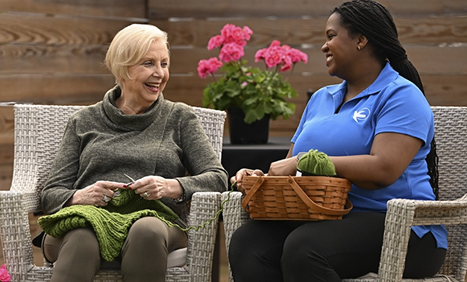
Neither option brings the stress relief one expects, however, and the latter choice adds additional duties for the caregiver at the same time. Many families ask for extra assistance in caring for elderly relatives or those with health problems. Everyone is aware of the workings of in-home care. Everyone knows what to expect. Having an idea of what to expect can help alleviate uncertainty and build confidence in this crucial decision.
Initial Assessment and Planning
It starts with a care provider doing a thorough assessment. This assessment takes into account the person’s medical history, lifestyle, and interests. Topics include medical requirements, movement, and help with personal hygiene. Honest conversations about challenges, expectations, and hope should be the norm for families. This planning stage shapes the care plan, while an emerging universal care plan/discussion helps to collate priorities for everyone. By engaging with in-home care, families discover what starting professional services truly looks like.

Selecting a Suitable Caregiver
The process of putting together caregivers often entails interviews and background screenings. Families can also choose a person who best fits the deceased’s personality and needs. During this stage of the selection process, communication between the agency staff and clients or family members is crucial. Trust and compatibility have a lot to contribute to creating a safe and respectful space. A good match sets up stakeholder interests for positive outcomes.
Service Coordination and Scheduling
Having a regular time for posting is key to consistency. These care arrangements may include help with daily routines, cooking, medication reminders, and companionship. Both the caregiver and the recipient may set times together with the entire family. Indeed, we need to remain flexible, for our needs may change over time. Open dialogue ensures smooth changes when the situation shifts.
Understanding Boundaries and Roles
Well-defined boundaries facilitate mutual respect between families and caregivers. Home care providers help execute actions described in the record of care, like bathing or assisting with mobility. There needs to be a communication of wants, but not a command. The caregiver becomes an expert by taking on this task, allowing everyone to focus on wellness. When we are in agreement, there are no misunderstandings, and our collaboration becomes more fruitful.
Adjusting to New Routines
Having outside assistance in the home can be an adjustment. Be patient while people adjust to new schedules. Others might be uncomfortable with receiving help or sharing their space. Family, friends, and neighbors help make this transition less painful. As the routine takes shape, the caregiver gradually becomes a familiar figure, fostering trust and comfort.
Maintaining Communication
Frequent updates and feedback will help everyone be in the loop. Families can expect repeated dialogue between the provider and their caregiver. With this open process, there is always someone who will listen to your concerns. Frequent check-ins allow you to keep tabs on their satisfaction and course-correct when you need to. Regular communications instill a culture of teamwork and collective mission.
Monitoring and Reviewing Care
Quality care requires ongoing attention. And families do contribute to observing care and relay their observations back to the provider. Regularly scheduled reviews assist with identifying if needs are being met or whether adjustments need to be made. This blog stands as a platform for providing constructive criticism that supports the caregiver and improves the care experience. Regular assessments promote improvement and conviction.
Preparing for Challenges
Caregivers can become unavailable or experience health issues. Discuss backup plans and other emergency procedures with the provider. Preparation mitigates stress during trying times. Care plans can proceed without stalling when they are flexible. Having a point of contact during emergencies relieves your burden.
Supporting Loved Ones Emotionally
Yes, that feeling will always be wonderful, the same with physical support. Some people may refuse help because they feel they lost their independence or don’t know how to change their routine. Families can promote honest discussion about feelings and issues. Gentle reassurance facilitates respect and value for loved ones. If you have a positive environment, it makes the change flow more smoothly from person to person.
Conclusion
A lot changes when you begin to receive in-home care services, but there are even more positive changes waiting for you. Families who know what to expect can embark on this new phase with confidence. But having excellent preparation, communication, and patience goes a long way in making it a much smoother experience for all involved. At-home caregiving can provide a level of peace, comfort, safety, and dignity to our loved ones if done properly and with ample information and support.