

The Galveston Bay Barrier System is a seven part plan built to protect the upper Texas coast from storm surge. It is the largest element of the Coastal Texas Project, accounting for roughly 85 percent of the authorized cost. GCPD Texas serves as the local sponsor for all seven features, holding duties that general regional agencies do not carry. While broader agencies manage many competing priorities, this district was built solely to lead this coastal effort. Each feature targets a specific gap in the region’s defenses. Working together, all seven features are designed to stop storm surge before it ever reaches the people and places sitting behind the bay.
The Bolivar Roads Gate System
The gate at Bolivar Roads is the centerpiece of the barrier plan. It would span the waterway between Galveston Island and Bolivar Peninsula, the main channel through which surge enters the bay. When a storm approaches, the gates would close and block surge from flooding everything behind them. Jacobs Engineering has been awarded the contract to design this structure. Once built, it is expected to be the largest flood gate system in the world. Those who want a full breakdown can explore the storm surge barrier project details covering all seven features.

Beach and Dune Restoration
Before surge reaches the gate, it first encounters restored beaches and dunes along the outer coast. A dune system spanning 25 miles is planned along Bolivar Peninsula and another spanning 18 miles along West Galveston Island. These natural features absorb wave energy and slow surge before it builds toward the bay. Engineering firm HDR has been awarded the design contract for both systems. They are the first features scheduled to enter formal design. Restored dunes also give coastal ecosystems a better chance to recover after a storm passes.
Galveston Seawall Improvements and the Ring Barrier
Two features focus on protecting Galveston Island from surge that might bypass the outer defenses. The existing seawall along the island’s southern shore is slated for upgrades to meet modern protective standards. The Galveston Ring Barrier would address the vulnerable spots left unprotected by existing infrastructure on the back side of the island. Together, these two features wrap one of the most populated stretches of the Texas coast in a much more complete layer of protection. Each is designed to work alongside the gate and dune systems. The goal is to make sure storm surge has nowhere to break through or sneak around the island.
Interior Gate and Pump Stations
Two features address surge entering through interior waterways rather than the main bay opening. The Dickinson Bay Gate and Pump Station would shield communities along Dickinson Bay from surge pushing through during a storm. The Clear Lake Gate System and Pump Station would cover the Clear Lake area, a region packed with homes, businesses, and commercial development. Both features combine physical gates with pump stations to handle water that builds up behind the barrier once a storm passes. Pump stations matter because gates alone cannot drain floodwater after an event. These interior features address vulnerabilities that the outer barrier cannot reach on its own.
Home Elevation and Floodproofing
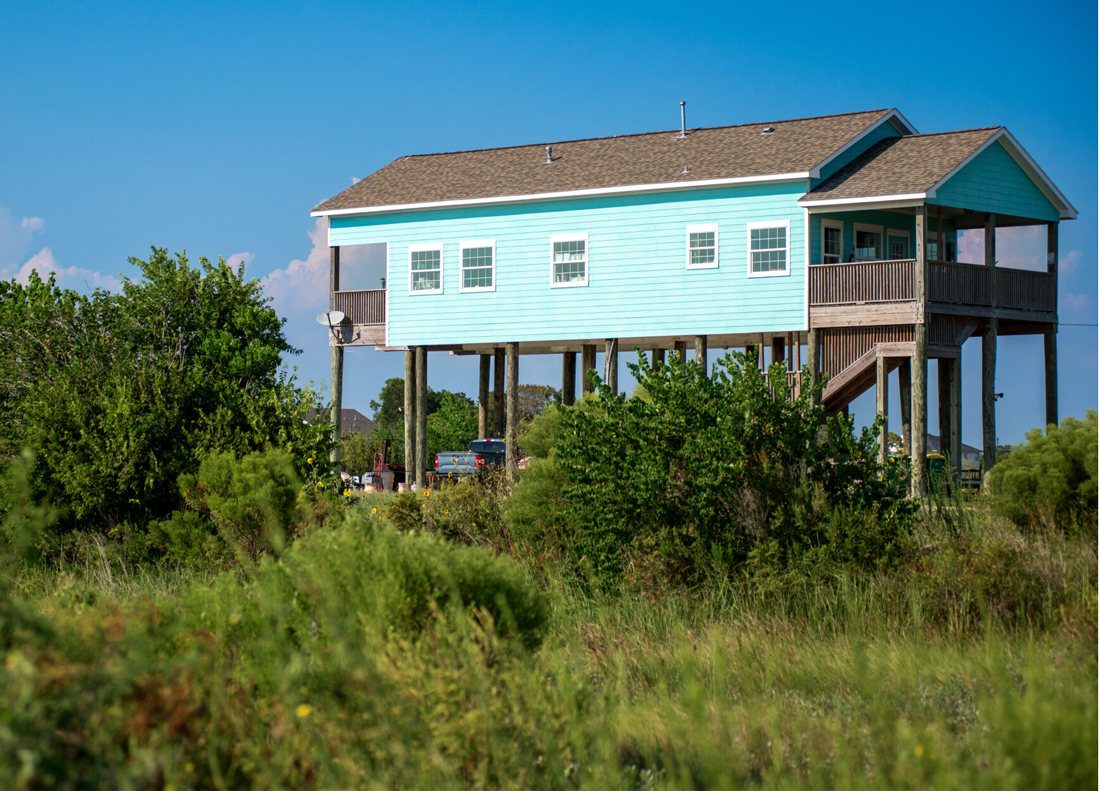
The seventh feature focuses on individual properties rather than large physical structures. Home elevation and floodproofing give residents in vulnerable areas a direct way to reduce exposure to surge damage. Properties in low elevation zones can be raised above projected surge levels, and floodproofing can be applied where elevation is not practical. This feature recognizes that even the best barrier system cannot protect every single property in every possible situation. It adds a flexible personal layer to the overall defense strategy. It is also a step residents can begin while larger construction work remains in planning.
The Galveston Bay Barrier System addresses storm surge at every level, from a massive bay gate to individual home protections. Each of the seven features has a specific role and is designed to work as part of the larger whole. The upper Texas coast faces real and ongoing risks, and this approach is designed to address them from multiple angles. As design work progresses, each feature will move closer to breaking ground. The people, businesses, and industries along this coastline are counting on this project to deliver. Design work is moving forward, and after years of planning, real progress is finally taking shape.