

On a whim, I booked a flight to Washington, D.C., on February 10 to see the Buddhist monks arrive at their destination as part of their now world-famous Walk for Peace. Led by the Venerable Bhikkhu Pannakara, they left from the Huong Dao Vipassana Bhavana Center, an Eastside Buddhist temple, on October 26, 2025, beginning a 2,300-mile journey across 10 states that would unfold over 108 days.
The significance of the monks’ intense journey on foot and the symbolism it embodies in this precarious and volatile period is truly remarkable.
Over the last two decades, the Vipassana meditation movement has become increasingly popular in the West and all across the United States. The goal of the practice is to gain insight into the true nature of reality. Practitioners aim to see things the way they really are and to develop a sense of inner peace.

Now, I will admit that I have gained a minimal understanding of the teachings of Buddha from a world religion crash course as well as some extracurriculars along the way. However, nothing could have prepared me for what I learned that winter morning in D.C., trudging through the snow and ice while trying to properly photograph the monks — they walk extremely fast. I suppose that practice comes from covering 12 miles a day for four months. A couple of colleagues and I did our best to capture them in front of the historic monuments and famous structures along the way.
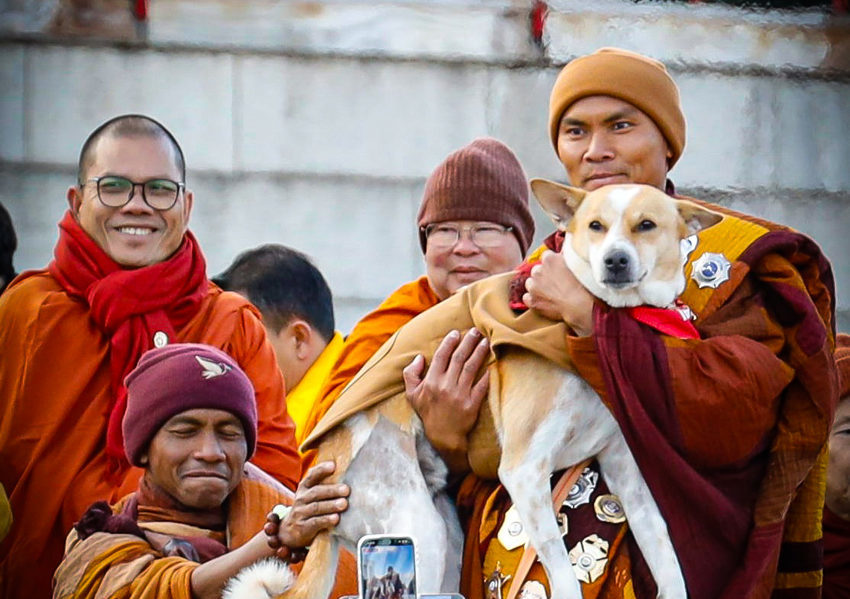
When we reached the steps of the Lincoln Memorial, Pannakara delivered a powerful and emotional address. He stood there alongside his fellow monks and his dog, Aloka, who has become a viral symbol of resilience and inspiration the world over. Pannakara’s message centered on how mindfulness can change the world. By focusing daily on cornerstones such as love, kindness, compassion, harmony, and hope, Pannakara explained that this practice can “change one person, one family, one community, one nation, and the world.”
Continuing to reflect on the purpose of the Walk of Peace, he concluded, it “is not a protest, and it is not to convert. It is a reminder that hope still exists when people are willing to care. Hope is the final light that must never go out.”
Still processing the events of the weekend, I boarded my flight home. Two days later, on Valentine’s Day in Fort Worth, I went back to the temple to see the monks’ triumphant return.
“This is my home,” Pannakara proclaimed to the dozens huddled in the rain. “Without you, all this would not have been,” he said emotionally, adding that the walk was “not to bring you peace but to raise the awareness of peace, so that you can unlock that box and free it.”
The idea that we must walk for peace every day resonated deeply with me, and I am grateful to Pannakara and the monks for showing that level of commitment. He then led the crowd in the mantra from their journey:
“Today is going to be my peaceful day,” we recited together. “I hope this moment will live with us for the rest of our lives.”
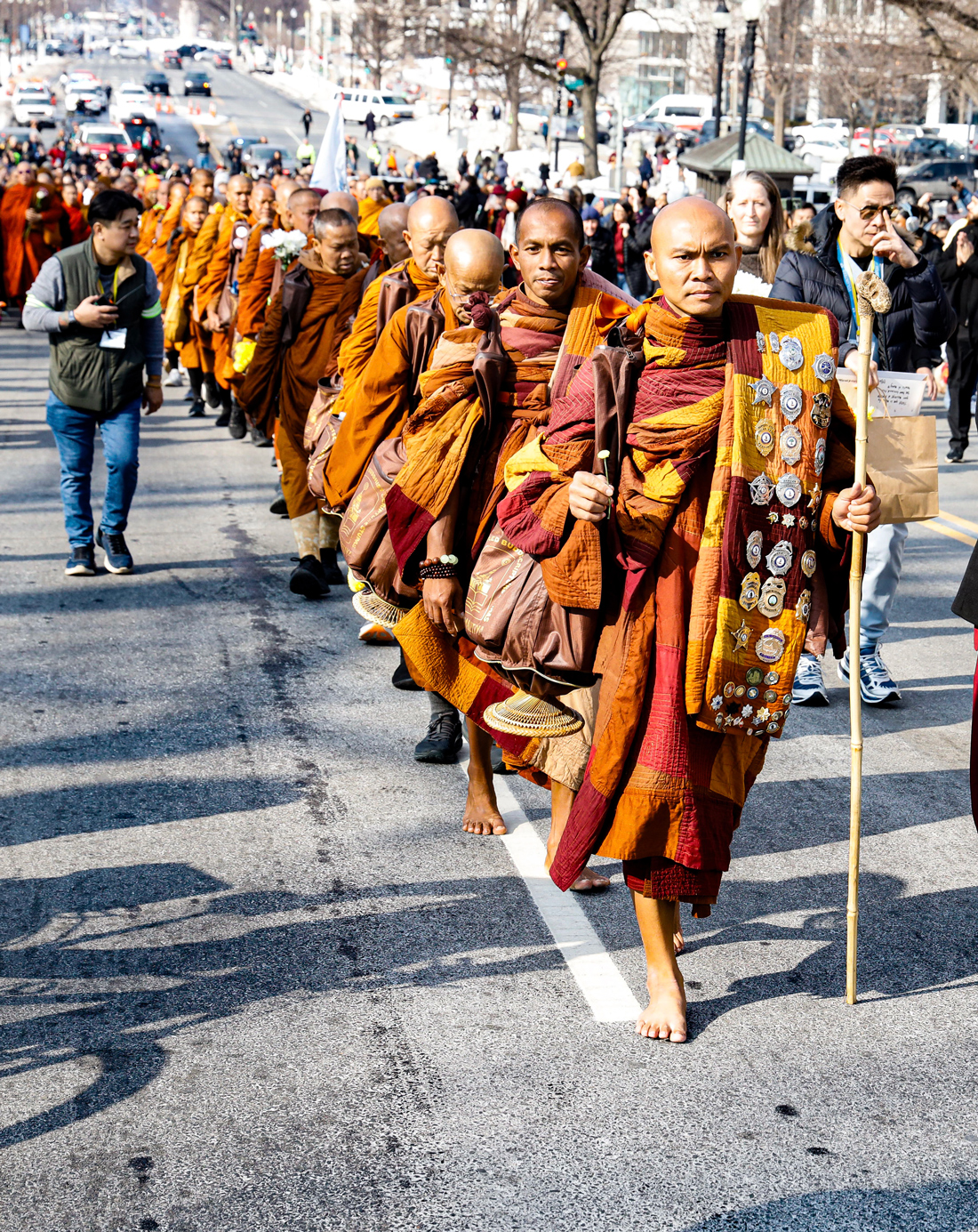
Photo by Jeff Dazey
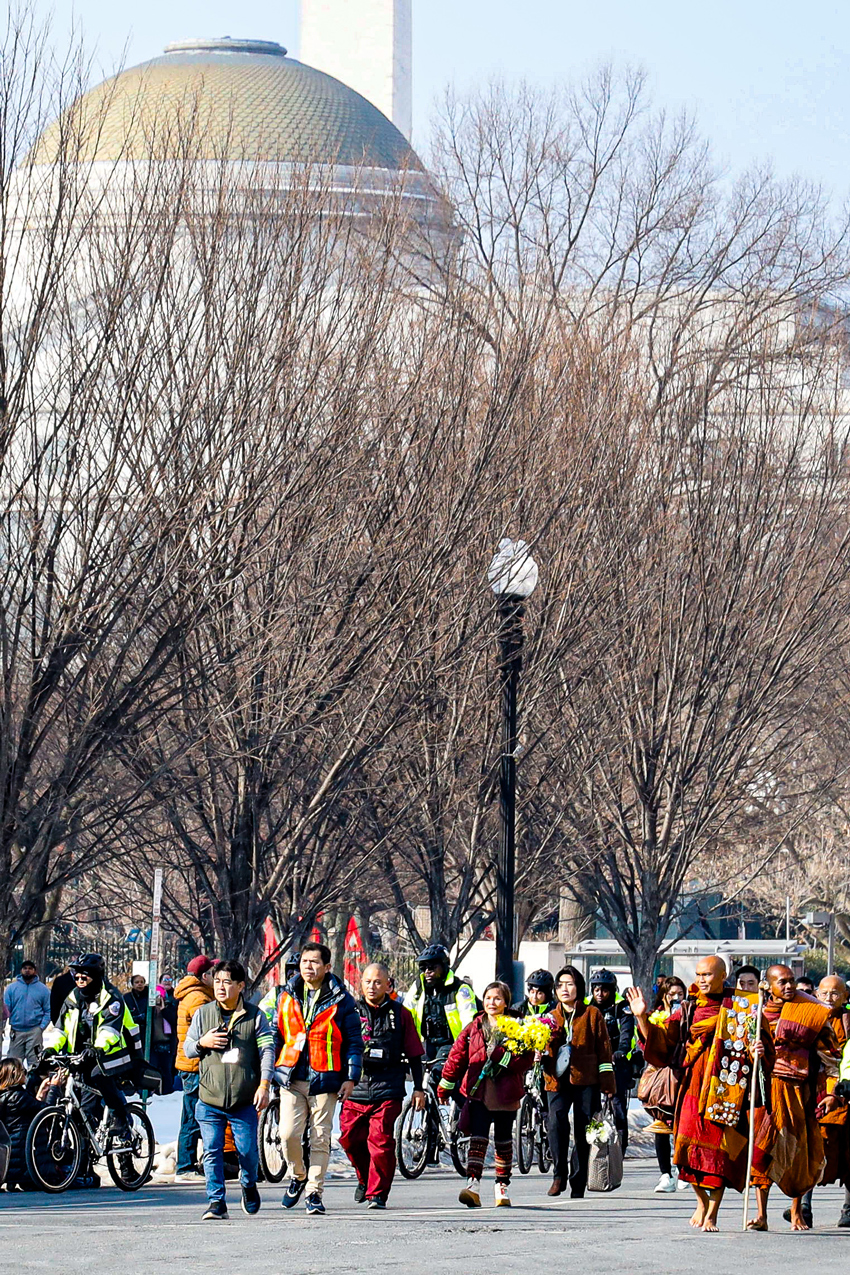
Photo by Jeff Dazey
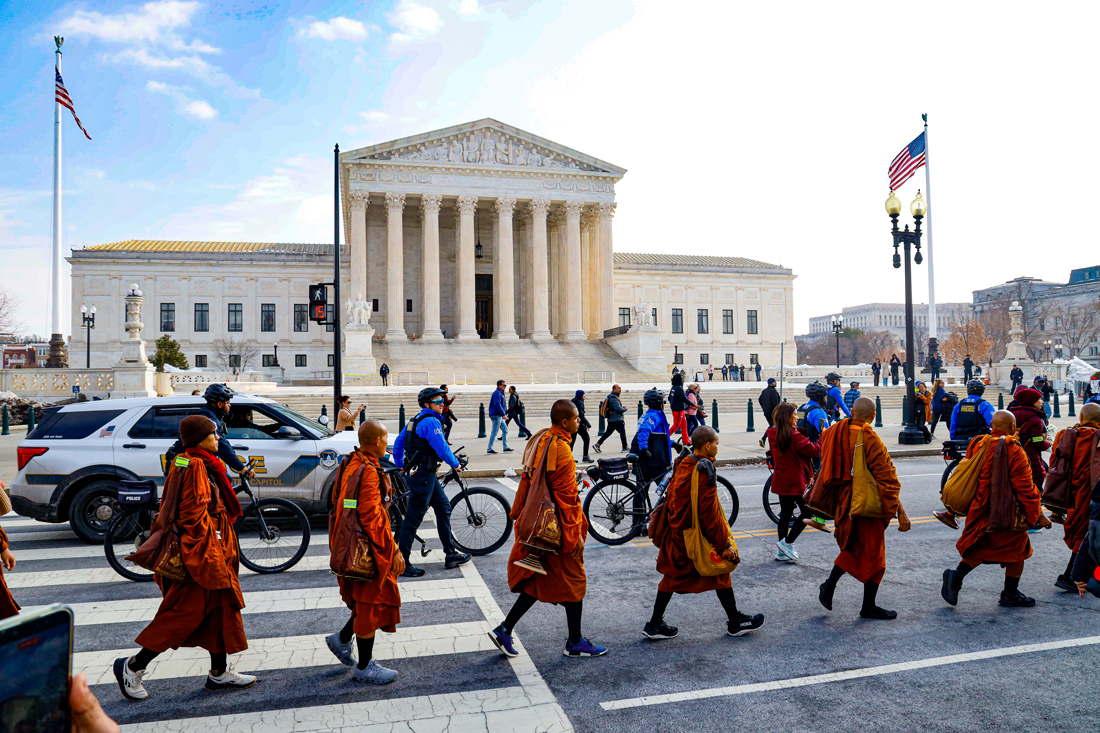
Photo by Jeff Dazey
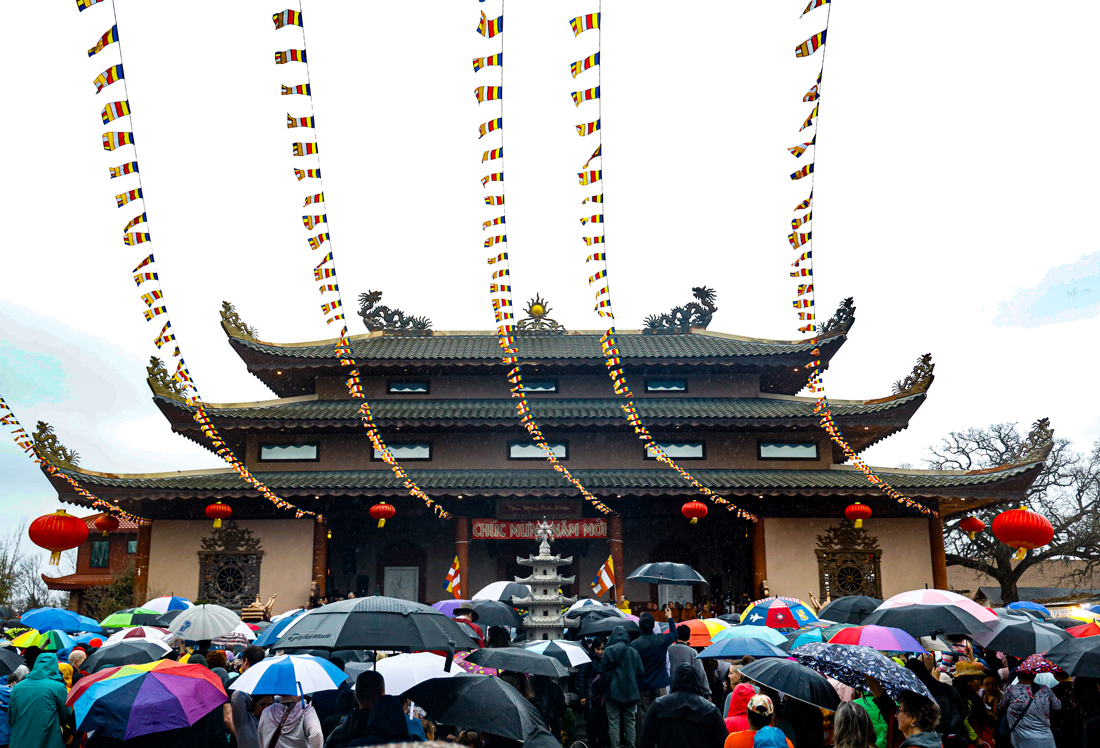
Photo by Jeff Dazey
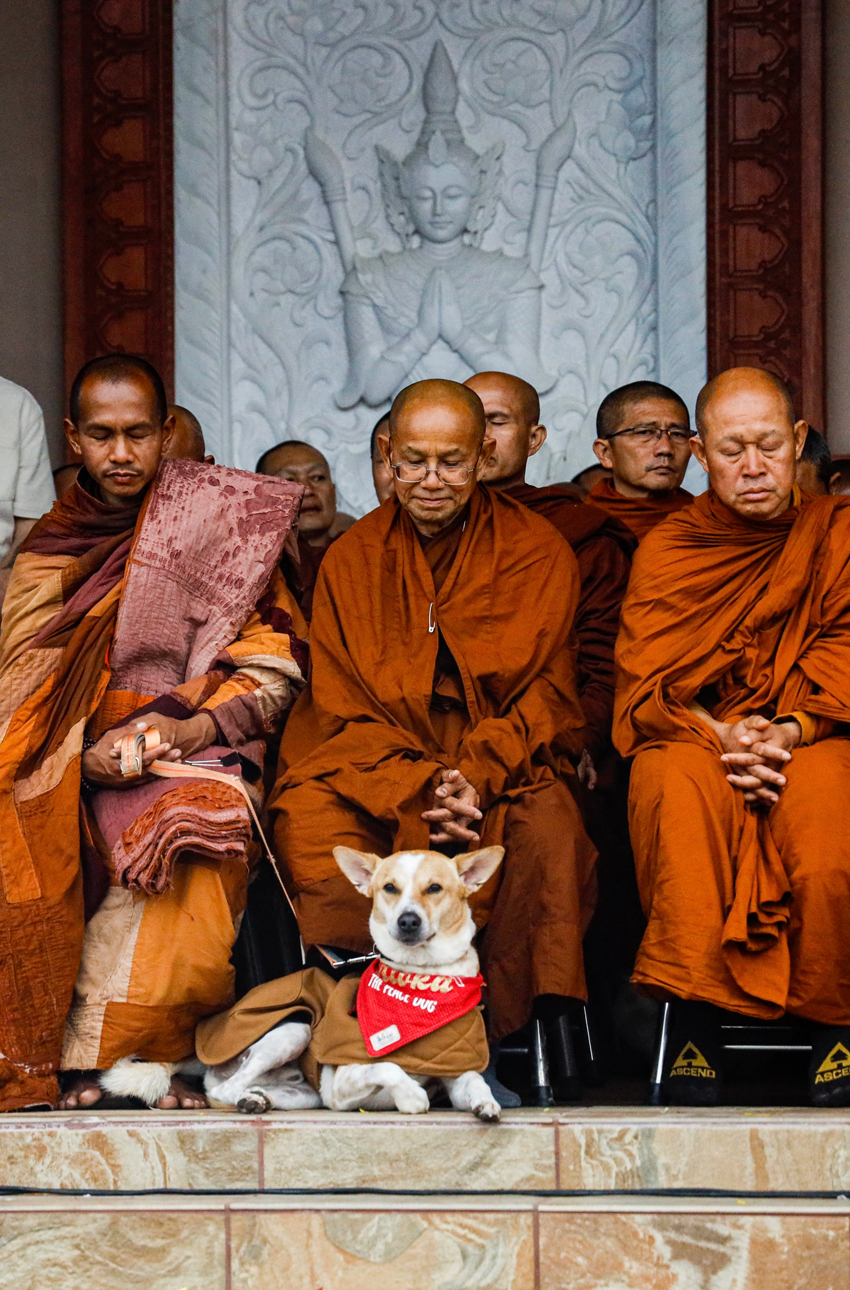
Photo by Jeff Dazey
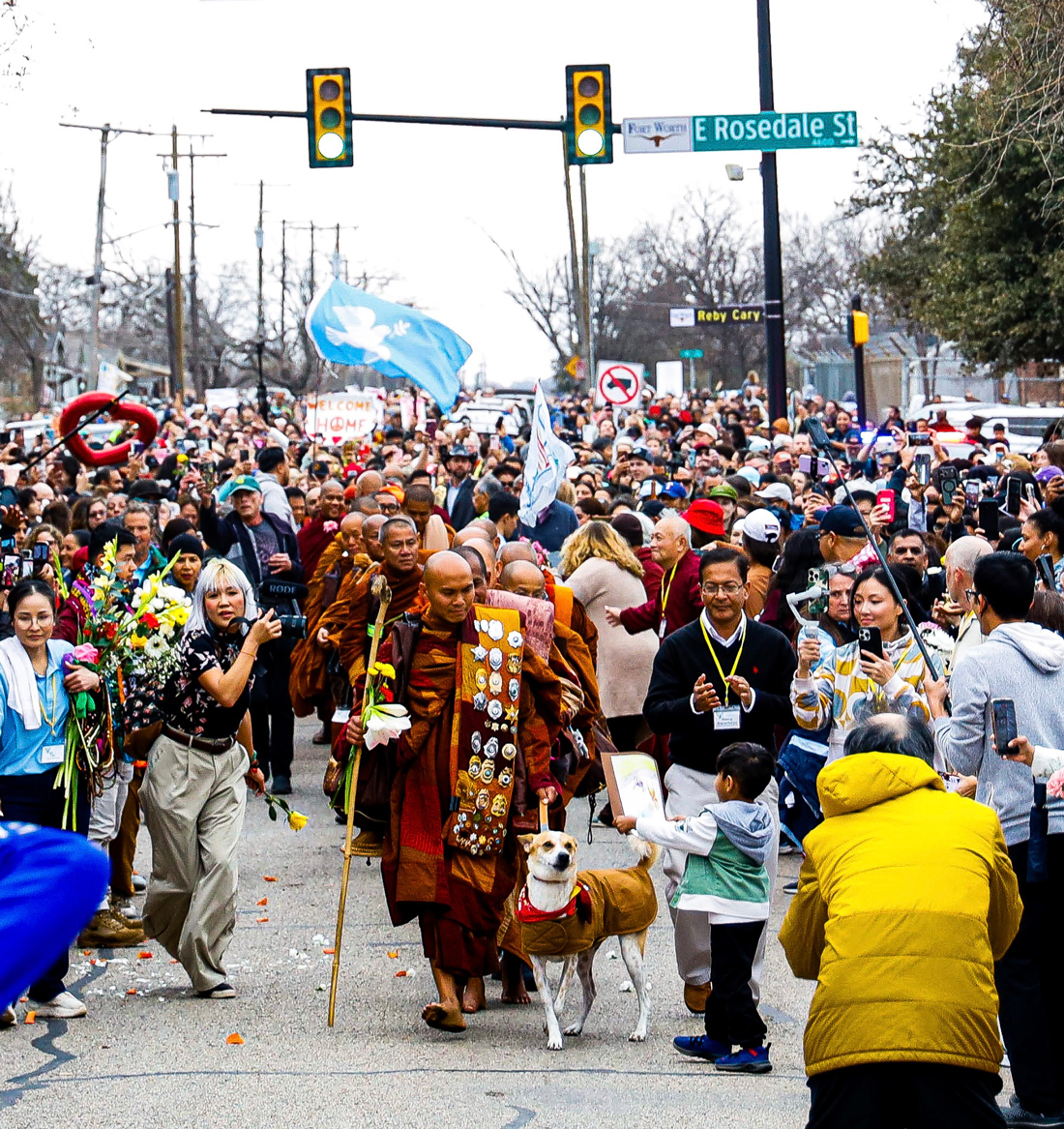
Photo by Jeff Dazey
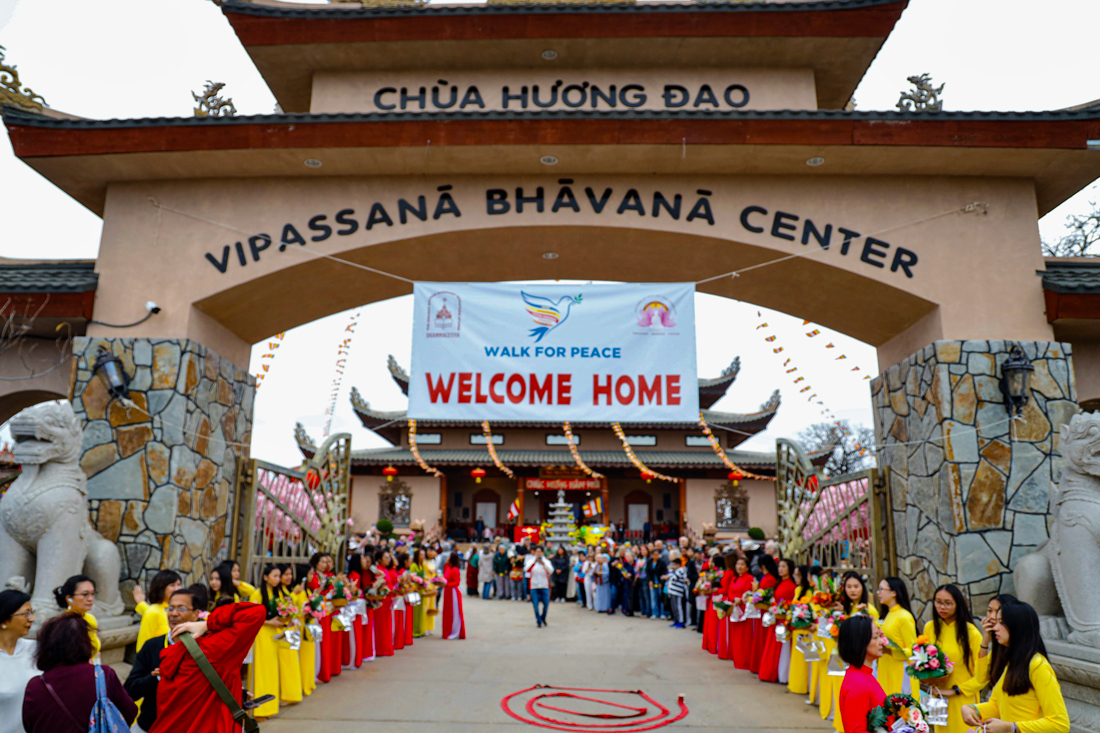
Photo by Jeff Dazey
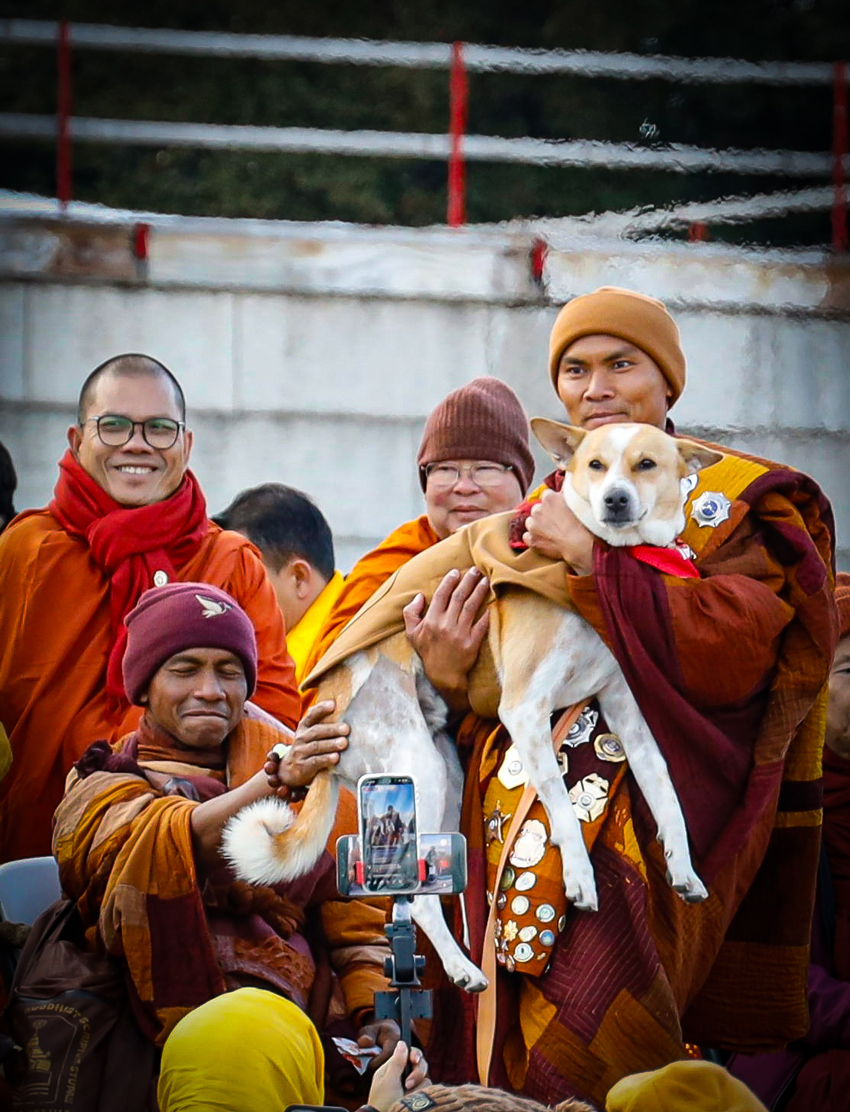
Photo by Jeff Dazey
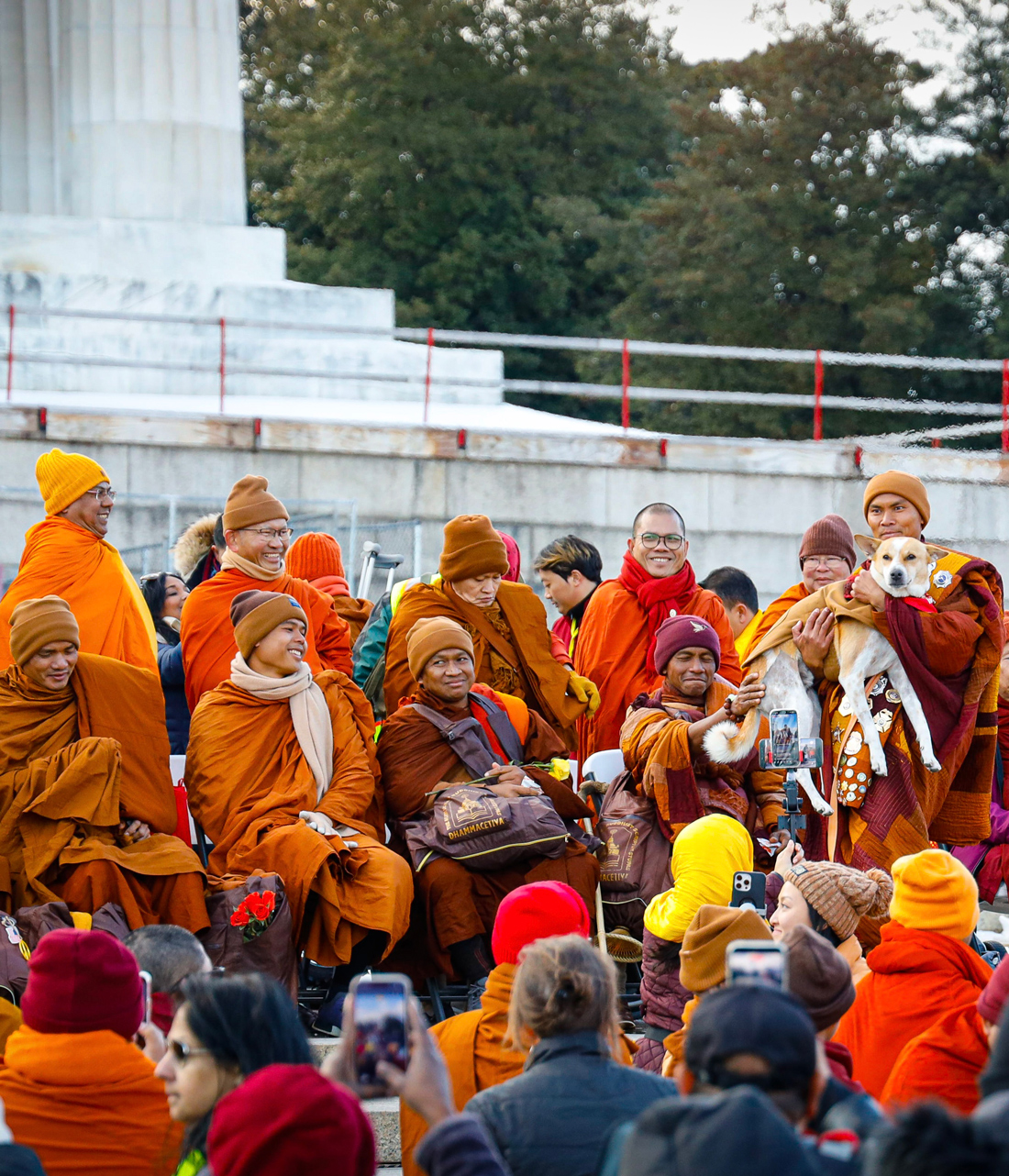
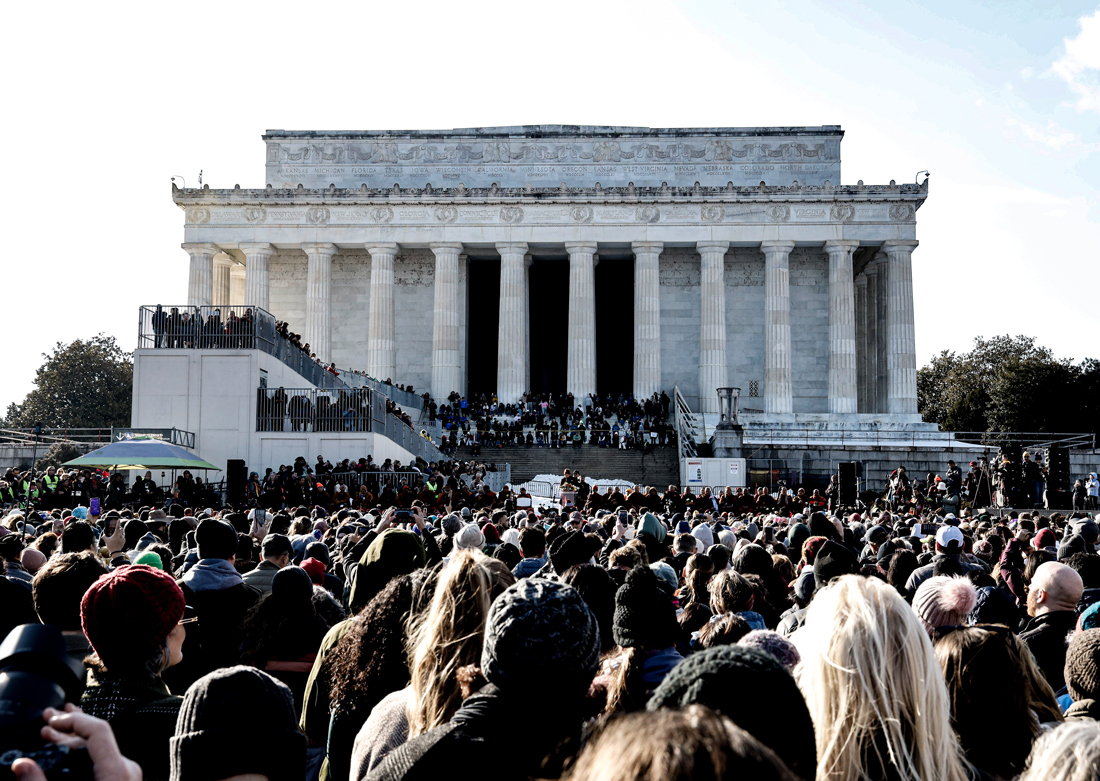
Photo by Jeff Dazey
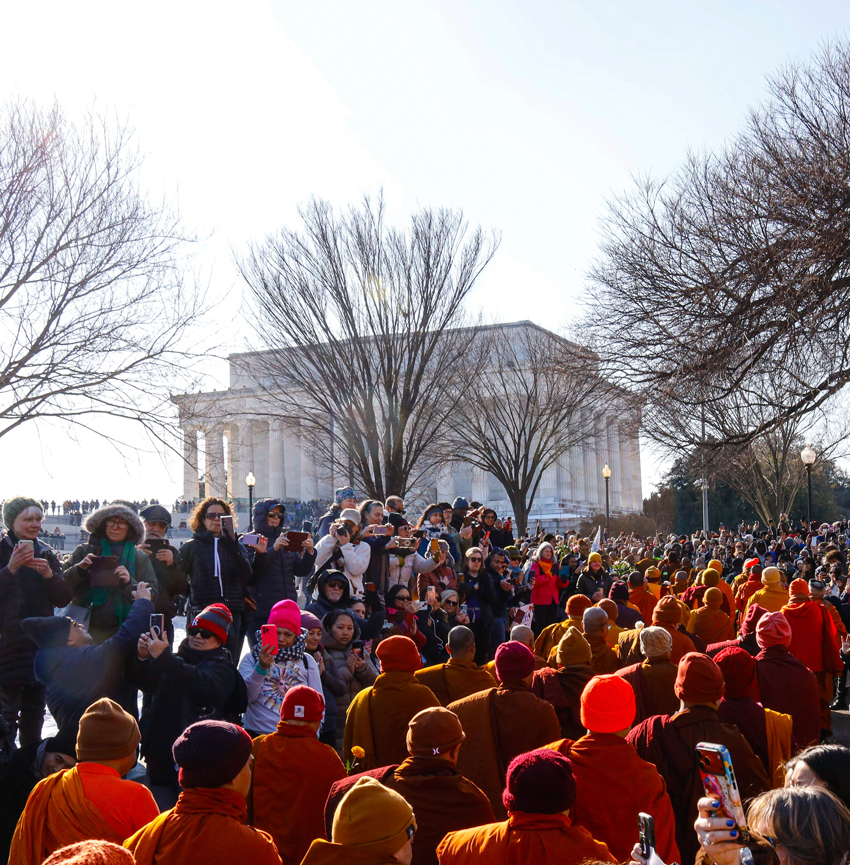
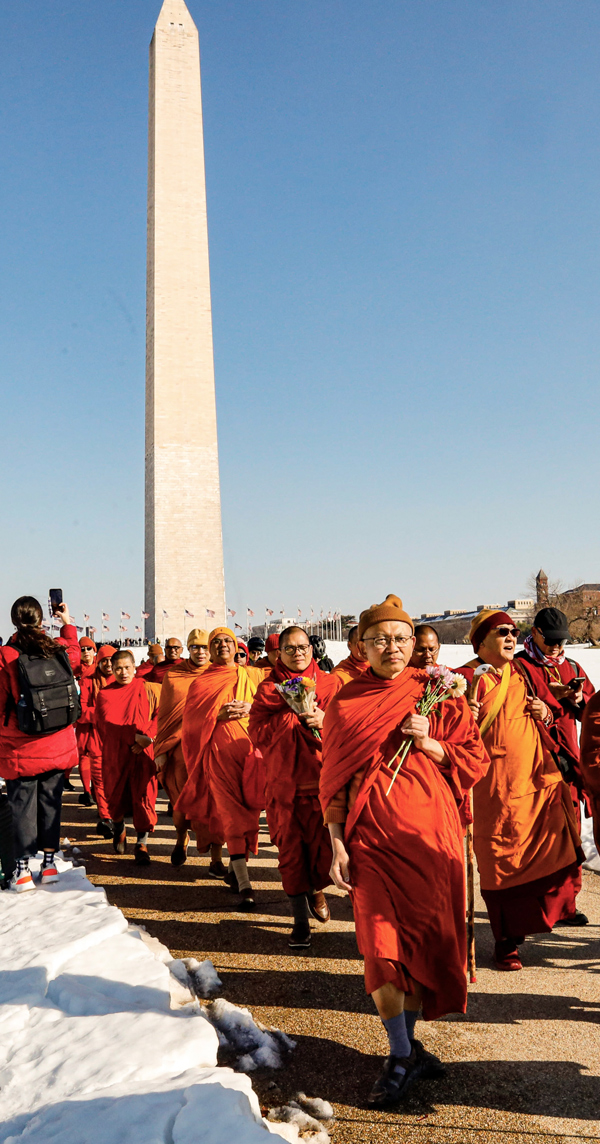
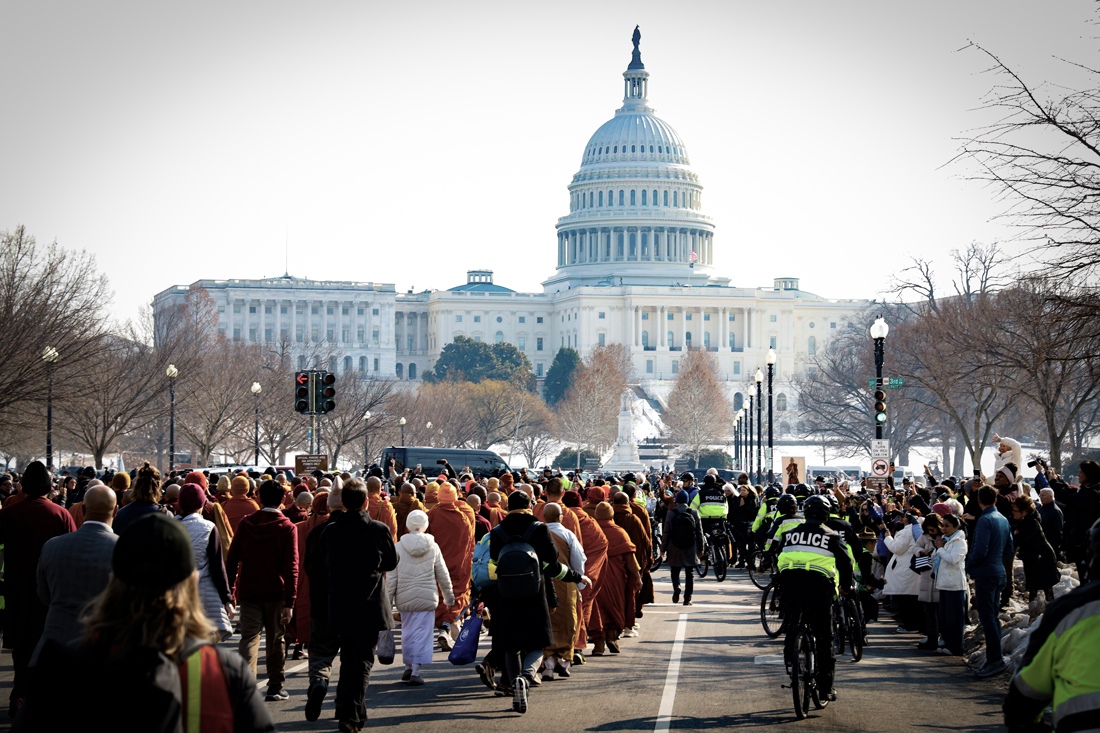
Photo by Jeff Dazey