

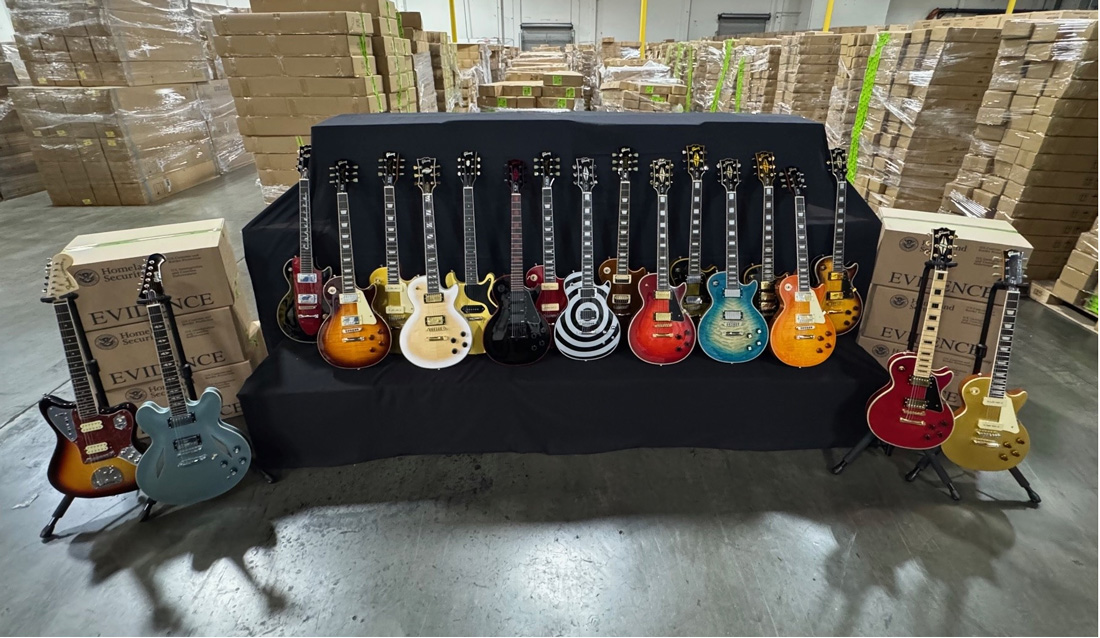
Counterfeit guitars can mimic familiar body shapes, finishes, logos, and serial formats with impressive accuracy. A low asking price may conceal poor materials, altered parts, or an instrument with no legitimate history. Photographs and confident descriptions provide limited protection. Buyers need physical evidence, reliable records, seller transparency, and secure payment terms. A disciplined inspection protects musicians, collectors, and budgets before a rare or expensive instrument changes hands.
Begin With a Reliable Inspection Routine
For a careful first pass, an independent reference such as how to identify a fake guitar helps buyers compare logo geometry, serial formats, hardware, cavity work, and finish details before sending a deposit. Those comparisons matter because convincing copies often survive casual viewing, particularly in online listings. A structured check separates normal wear, factory variation, and legitimate repair from clues pointing to a recently assembled imitation. That distinction protects the purchase budget and future resale prospects.

Start With the Listing
Warning signs often appear before close inspection begins. Buyers should check spelling, model names, production dates, and stated specifications against trusted references. Generic photographs may conceal the headstock rear, control cavity, neck joint, or bridge area. Missing paperwork does not establish fraud, although evasive replies deserve attention. A credible seller usually supplies clear images and consistent information without resisting reasonable questions.
Compare the Headstock
The headstock offers several valuable points of comparison. Logo spacing, letter contours, inlay depth, tuner alignment, and finish edges should match verified examples from the claimed production period. Copyists may reproduce a brand mark while missing subtle proportions. Raised lettering, incorrect script, or uneven placement can indicate trouble. Several references provide stronger evidence because manufacturers sometimes alter details between model years.
Examine the Serial Number
Serial numbers require comparison, not automatic acceptance. Their location, font, sequence, and date range should agree with the stated brand and model. A number linked to another instrument may indicate theft, identity alteration, or counterfeit construction. Buyers should request a sharp image, then consult factory records or an authorized specialist where records exist. Serial information supports authentication, but it cannot prove originality on its own.
Inspect Hardware and Electronics
Hardware can expose shortcuts hidden beneath an attractive finish. Bridge spacing, screw placement, tuner dimensions, pickup covers, knobs, and switch tips should correspond with period-correct examples. Thin plating, soft edges, loose fittings, or incorrect measurements deserve scrutiny. Inside the control cavity, rough soldering and mismatched components may reveal a replica. Genuine instruments can contain repairs, so one defect should support broader evaluation rather than settle the matter.
Study Finish and Woodwork
Close inspection of the body may reveal rushed workmanship. Uneven binding, heavy finish around frets, visible adhesive, shallow contours, and misaligned seams warrant attention. Grain direction and color transitions should remain consistent across adjoining sections. Artificial aging sometimes produces random scratches without the handling patterns seen on older instruments. A refinished or repaired guitar may still be authentic, making ownership records and specialist assessment important.
Look Inside the Instrument
Internal areas often receive less cosmetic attention, so they can provide useful evidence. When safe, buyers should inspect neck pockets, pickup routes, bracing, labels, stamps, and cavity markings. Construction methods that conflict with factory practice require further research. Acoustic models may show unusual brace profiles or excess adhesive. Electric versions may contain unexpected routing. Photographs from several angles can expose concealed alterations.
Question the Price and Story
An unusually low price creates pressure, especially alongside claims of urgency or exceptional rarity. Value may fall because of damage, repairs, missing components, or regional demand, so cost alone proves nothing. The seller’s account should remain consistent across messages, photographs, receipts, and dates. Changing explanations, copied descriptions, or pressure to skip inspection signal avoidable risk. A pause is safer than an emotionally driven purchase.
Verify the Seller
Seller identity deserves the same attention as instrument details. A physical address, working telephone number, transaction history, and written return policy offer useful safeguards. Buyers should review independent feedback and compare current photographs with older advertisements. Private sellers may lack formal records, yet they should answer reasonable questions. Refusal to provide basic evidence, rushed communication, or unusual payment requests warrants caution.
Protect the Payment
Verified details do not remove transaction risk. Buyers should choose payment methods with dispute support and avoid cash transfers to unknown recipients. Shipping arrangements need insurance, tracking, and suitable packaging. Expensive purchases deserve a written agreement covering the model, serial number, condition, and return terms. A local examination remains preferable because photographs cannot reveal weight, neck feel, odors, balance, or concealed repairs.
Conclusion
Authenticating a guitar requires several matching clues, not one dramatic discovery. Buyers should compare the headstock, serial format, hardware, finish, internal construction, price, and seller history before committing funds. Any mismatch deserves a pause and a second opinion from a qualified technician, established dealer, or experienced collector. Detailed records and protected payment methods add further security. Patient inspection gives musicians confidence and prevents attractive counterfeits from becoming costly mistakes.