


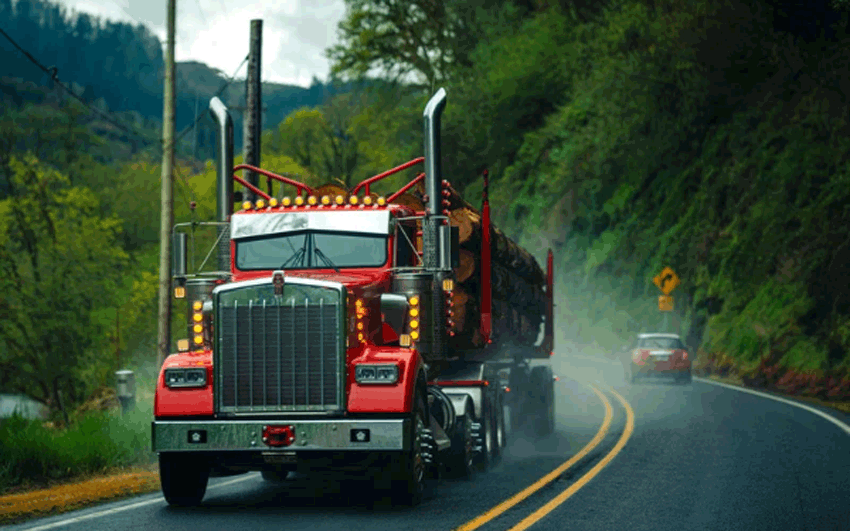
McAllen is located along one of the busiest commercial corridors in South Texas. Interstate 2 and U.S. Route 83 carry freight trucks between the border and distribution hubs further north at all hours. These trucks are massive. When one causes a collision, the injuries are often catastrophic. The trucking industry operates under a separate set of federal rules, and a violation of those rules can become some of the strongest evidence in an accident claim.
Lawyers from firms such as Patino Law Office can help injured individuals in McAllen determine whether a federal regulation violation played a role in their accident. When a trucking company or driver breaks a federal rule and someone gets hurt as a result, that violation changes the shape of the entire case.
Hours of Service

Federal law caps how many hours a commercial truck driver can spend behind the wheel. The general limit is 11 hours of driving after 10 consecutive hours off duty. There is also a 14-hour on-duty window. Once it closes, the driver cannot legally drive again until the next rest period is complete.
These limits exist because fatigued drivers make mistakes. Their reaction times slow down. And their attention can drift. A driver who has been on the road for 13 hours straight is not functioning at the same level as one who has had proper rest. Electronic logging devices record these hours automatically, and that data is one of the first things a lawyer will request after a truck collision.
Drug and Alcohol Testing
Commercial drivers are required to undergo drug and alcohol testing at several points: before being hired, at random during employment, and after an accident. The post-accident test matters most for injury claims.
A positive result is difficult for the defense to explain away. But the testing requirement cuts both ways. If the trucking company skipped the pre-employment screening or ignored a prior failed test, the company itself is exposed. Hiring a driver who should never have been behind the wheel is a separate basis for a negligence claim against the employer.
Vehicle Maintenance Standards
Federal regulations require trucking companies to inspect, maintain, and repair every vehicle in the fleet on a set schedule. Drivers are also required to perform pre-trip and post-trip inspections and document any defects.
Brake failures don’t come out of nowhere. Neither do tire blowouts or steering problems.
These failures are the result of maintenance that didn’t happen, inspections that were skipped, or defects that were flagged and left unaddressed. If maintenance logs and inspection records show that the company knew about a problem and sent the truck out anyway, that’s powerful evidence of negligence.
Cargo Securement
How cargo is loaded and secured affects how the truck handles on the road. Federal rules set weight limits and outline specific securement methods for different types of freight. An overloaded trailer takes longer to stop. Cargo that shifts mid-transit can cause a rollover or a jackknife.
If a separate company handled the loading and failed to follow federal requirements, it may share liability for the collision. Weight station records and loading documentation are the primary evidence.
Driver Qualifications
Federal rules set minimum age requirements, medical fitness standards, and licensing qualifications. Trucking companies are required to verify all of this before hiring.
A company that puts a driver on the road with a suspended commercial license, a disqualifying medical condition, or a history of serious violations made a decision that is hard to defend. If the hiring file shows the company cut corners during the vetting process, the company’s liability extends beyond the driver’s actions at the time of the crash.
How a Violation Strengthens the Claim
A federal regulation sets the standard. A violation shows the trucking company or driver fell below it. That combination, when tied to the cause of the collision, creates evidence that is difficult to dismiss. It shifts the conversation from “what happened” to “why it was allowed to happen.” Adjusters and defense attorneys have far less room to negotiate when a documented federal violation is part of the case.
What This Means for the Claim
Federal trucking regulations cover hours of service, drug testing, vehicle maintenance, cargo loading, and driver qualifications. Each one exists to prevent the kind of accident that caused the injury. When a violation played a role in the collision, the injured individual has evidence that goes beyond witness statements and police reports. That evidence puts pressure on the trucking company and its insurer, and it often changes how the case is valued from the start.