


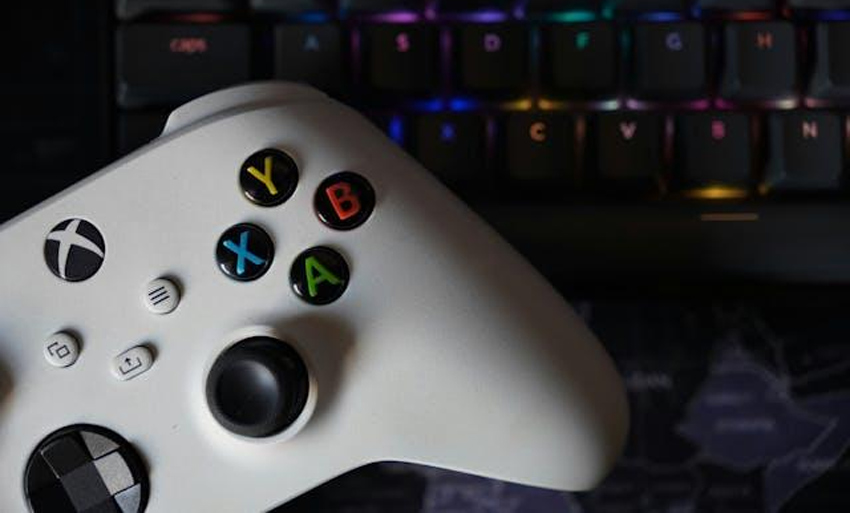
Ask around in any Texas city and the pattern repeats. People take their hobbies seriously, but their games even more so. There is a steady confidence in the way Texans approach competition, as if every match is a small arena of its own. The state already has a long history of card rooms, LAN parties, arcade nights, and esports meetups, so the question is less about curiosity and more about scale. How good are Texans at gaming, really? The short answer is that the numbers keep leaning in their favor.
The Roots of Competitive Drive
Gaming in Texas did not arrive as a quiet pastime. It grew through community centers, college campuses, and massive statewide events that made play feel like a social marker. Austin’s tech crowd shaped early multiplayer scenes, while Houston and Dallas built a reputation for large venues and organized tournaments. A strong sports culture runs underneath all of this, pushing people to treat every round as a chance to sharpen skill and test instinct.

The competitive streak shows up in casual settings too. Talk to anyone who grew up attending Friday night football games and the same energy appears in their gaming habits. That mix of strategy, risk, and fast thinking mirrors the larger Texan attitude toward challenge and reward. It is no surprise the state has produced so many top-level players across different genres.
How Texans approach risk and research
Here is where a more practical layer comes in. Texans tend to follow a pattern before stepping into any new gaming format. Curiosity opens the door first, but preparation carries the weight. Someone exploring new platforms usually wants to compare rules, payouts, or tech reliability before moving forward. That is why many seasoned players take the time to explore expert rated Bitcoin casinos before choosing a place to play. The detailed breakdowns on fees, withdrawal times, and verification rules give users a clearer sense of what to expect, particularly since some sites offer faster transactions due to the nature of crypto payments. That kind of clarity removes guesswork and builds confidence, which fits neatly with the Texan habit of gathering information before taking a risk.
Texas Gaming Culture Keeps Widening
Once that groundwork is done, Texans usually dive in with full force. According to gaming participation research, Texas consistently ranks among the most active regions in the country for console, PC, and mobile play. The numbers fit how Texans spend their recreational time: long sessions, community involvement, and a clear preference for competitive formats.
Local culture reinforces the habit. Open-world games echo the physical scale of the state. Strategy titles appeal to the sharp planning that shaped ranching, trading, and oil-driven industries. Even casual games catch on quickly because people enjoy anything that invites skill expression. The common theme is simple: people engage more deeply when a pastime feels like a shared ritual.
The state’s growing population also plays a part. More people move to Texas for work and affordability, bringing outside gaming styles and fresh competition. This blend strengthens the local scene and keeps the bar high for anyone trying to break into ranked ladders or online tournaments.
The Influence of Texas Cities
Different cities shape different strengths. Austin leans toward indie gaming and experimental play thanks to its tech ecosystem and its long-running festival culture. Dallas has a stronger esports backbone, hosting large events and nurturing teams across fighting games, shooters, and MOBAs. Houston sits somewhere in the middle, drawing talent from engineering schools, STEM circles, and established community clubs. Each city adds its own flavor, yet all share a sense of pride in skill and improvement.
A study on gaming habits shows that major metro areas tend to nurture competitive behavior by sheer density of players. Texas benefits from multiple hubs rather than a single center, which widens the talent pool and increases opportunities for tournaments, meetups, and cross-city rivalries.
Games at Which Texans Excel
Patterns appear when looking at genre preferences. Texans tend to shine in games where timing and instinct matter more than memorizing scripts. Fighting games, shooters, and competitive sports titles sit at the front of the pack. Strategy games also hold their ground, especially in cities with strong academic communities. Mobile gaming is massive too, partly because long commutes and long workdays make quick matches appealing.
All of this creates a system where casual and professional players share the same culture, even if their goals differ. Someone playing two matches after dinner and someone preparing for a regional bracket both tap into the same pool of determination. This is one of the reasons Texas tournaments attract such diverse crowds. People do not need to be professionals to care about winning.
The Texan Mindset Around Improvement
Ask anyone tutoring new players in Austin or Dallas training groups, and they will say the same thing. Texans respond well to structured progress. They like understanding why a tactic works, not just copying it. Guides, walkthroughs, and community-driven resources simplify that process. A well-explained mechanic or a single smart tip can shift someone from casual button presses to deliberate play.
External studies on learning behavior show that environments built on approachable competition often improve skill retention. Texas gaming circles fit this pattern naturally. People enjoy the climb, even when it is slow, because competition is already woven into their daily rhythm.