


There is something about the first smell of charcoal in the air that makes us want to throw our financial plans out the window. When the sun stays up late and the weekend feels infinite, the urge to host, toast, and celebrate becomes almost biological. We want the premium cuts of steak. We want the fancy craft IPAs. We want the new patio furniture that makes the backyard look like a magazine spread. But if we are not careful, those long holiday weekends can leave us with a financial hangover that lasts much longer than a few days.
Budgeting for these moments does not have to mean being the person who only serves tap water and plain crackers. It is about intentionality. It is about making sure the joy of the gathering is not overshadowed by the stress of the credit card statement arriving two weeks later. If you want to master your summer spending, you have to look at your big weekends through a lens of strategy and realistic expectations.
The True Cost of a “Simple” BBQ

We often underestimate the cost of hosting because we look at the big ticket items and ignore the small ones. You count the ribs and the burgers, but you forget the charcoal, the three types of mustard, the ice, and the extra propane. By the time you leave the grocery store, you have spent double what you planned.
The first step to a successful weekend is creating a hard ceiling for your spending. This means looking at your bank account on Wednesday and deciding exactly how much is allowed to leave it by Sunday night. When you have a fixed number, your brain starts making better choices. You might choose the store brand soda so you can afford the better quality meat. You might realize you already have enough folding chairs and do not need to buy new ones.
Leveraging Modern Tools
One of the best ways to stay on top of your finances during a busy weekend is to make sure your money is moving as fast as you are. If a friend owes you money for the brisket or if you receive a birthday check from a relative, you need that capital accessible. That is where practical tools quietly step in.
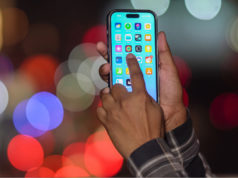
With a secure check mobile deposit with SoFi, you can endorse a check, snap a quick photo, and send it through the app without turning it into another errand on your list. It keeps the momentum of the weekend going while still helping you stay intentional about where your money is landing.
The more you can automate and digitize your tracking, the less mental energy you have to spend on math while you should be flipping burgers. It is about creating a system that supports your fun rather than interrupting it.
The Potluck Strategy
There is a strange social pressure to provide everything when you host. We feel like we have to provide the main, the sides, the drinks, and the dessert. But most people actually feel better when they contribute. It makes them feel like a part of the event rather than just a consumer.
Transition your mindset from “Host” to “Coordinator.” You provide the main protein and the space. Ask one friend to bring the chips and dip. Ask another to handle the dessert. This distributes the financial weight of the weekend across the whole group. It also adds variety to the table that you might not have thought of yourself. When everyone chips in twenty dollars’ worth of food, you end up with a hundred-dollar feast that only costs you a fraction of that.
Shopping with Purpose
The grocery store is designed to make you overspend, especially before a holiday. The endcaps are filled with festive decorations and themed snacks that you do not need. To combat this, you need a strict list.
Shop your pantry first. You likely have half-used bottles of hot sauce, boxes of pasta, and seasonings that are perfectly fine. Once you know what you have, write down exactly what you need. Buy in bulk for items that will last, like paper plates or beverages, but be precise with perishables. If you are hosting six people, you do not need twenty pounds of potatoes.
Planning for the “Big” Weekends
Holiday weekends like Memorial Day or the Fourth of July are predictable. They happen every year at the exact same time. Yet, many of us treat them like surprise expenses.
If you know you love to host a big bash every July, start putting aside twenty dollars a month in January. By the time the summer rolls around, you have a dedicated fund that is separate from your rent or mortgage money. This “Sinking Fund” approach is the secret weapon of stress-free personal finance. It turns a massive expense into a series of tiny, unnoticeable ones.
Experience Over Aesthetics
At the end of the day, no one remembers the brand of the napkins or if the string lights were the most expensive ones on the market. They remember the conversation. They remember the way the air felt when the sun went down. They remember the music.
Focus your spending on the things that actually impact the experience. Good food and cold drinks are the foundation. Everything else is secondary. If you find yourself stressed about the cost of decorations, put them back. Your friends are there for you, not for your ability to recreate a Pinterest board.
Post Weekend Reflection
Once the weekend is over and the grill is cold, take ten minutes to look at your spending. Did you stay under your ceiling? Where did the “leaks” happen? Maybe you spent too much on pre-cut fruit when you could have sliced it yourself. Maybe you bought too much beer that went unconsumed.
This is not about guilt. It is about data. Every weekend you host is a practice run for the next one. The more you understand your own spending habits, the easier it becomes to enjoy your life without sacrificing your financial future.