

Women in music have had to jump hurdles in high heels and overcome social obstacles with grace to become better artists. However, our individual experiences and talents may also play a part: for example, whether the genre or instrument we play is perceived as feminine or whether we are trying to wrecking-ball our way into a lesser populated avenue. Surveying a diverse collection of women in music in the Fort Worth area led to some fascinating insight and conversation starters about where we are in supporting women artists and where we can still bloom more. Assembling a diverse panel of five Fort Worth women artists, it was clear there were a lot of noteworthy concepts to tune into.
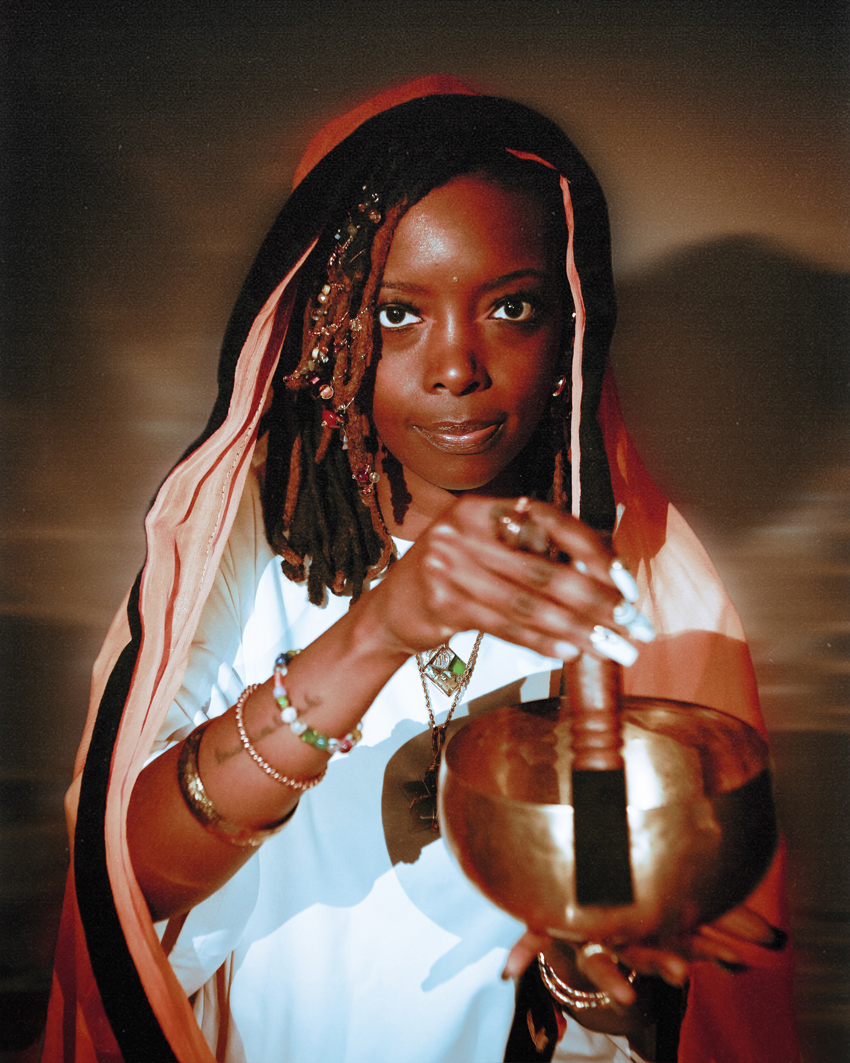
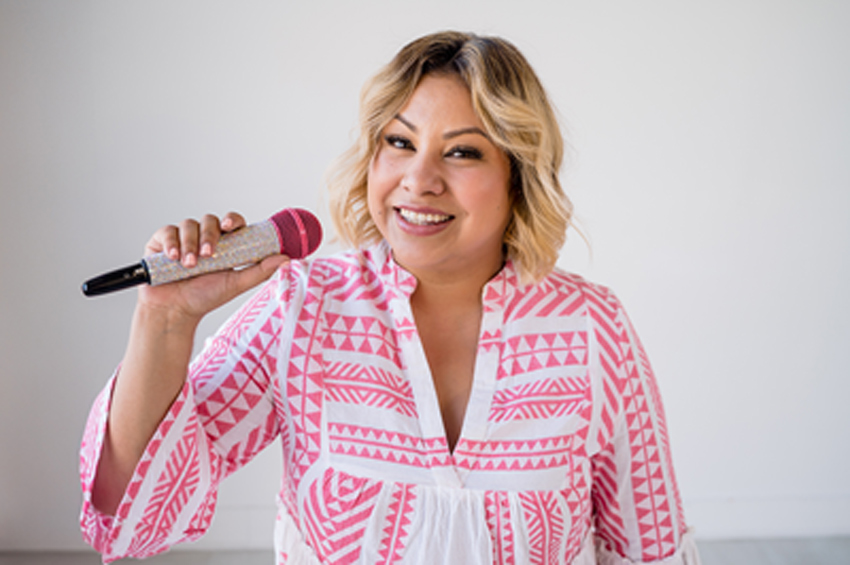
Asa Ace (real name: Asa Aziz), our magazine’s best DJ winner in 2023, has seamlessly transitioned from respiratory therapist to international DJ. Inspired by the profound healing power of music, she is also a certified sound healer. Over her eight years of vibe facilitating, she has honed her ability to use sound to promote healing and well-being. Mariana Grahl is a Mexican-born musician and vocalist whose life and career have been shaped by a deep-rooted connection to music with communication and community. She has been performing onstage since childhood. After moving to North Texas, she worked as a voice and piano teacher and collaborated with various artists across a wide spectrum of genres, from jazz and pop to música tropical, gospel, and contemporary Christian. In Mandy Hand’s three decades of musicmaking, the pop singer-songwriter has developed a tight group of collaborators that has helped her maintain a full-time career in music. With the breakup of her power-pop outfit Big Heaven last year, Hand has gone solo. In celebration of her new EP, Mandyland, she will perform Thu, Mar 19, at The Post (2736 W 6th St, Fort Worth, 817-945-8890). Locals Sarah Savage and Daniel Markham will open. Indie-pop singer-songwriter Remy Reilly plays drums and piano and has been singing since childhood. The 22-year-old has released two albums and many singles and performs across North Texas. Brandi Waller-Pace is an artist, educator, cultural advocate, and founder/executive director of Decolonizing the Music Room, the nonprofit behind the annual Fort Worth African American Roots Music Festival. A singer and multi-instrumentalist, Waller-Pace performs across various musical styles, including jazz, neo-soul, old-time, and roots. Her two debut singles, “Nothing at All to Say” and “In My Mind,” were released late last year.

Fort Worth Weekly: What’s it like being a woman artist today in DFW? What about in general?
Asa: For me, being a woman artist in the DFW gives me great opportunities for those looking for talent in the area. I’ve always felt safe and respected in my community. In general, it can come with challenges at times, but I feel over the years as women continue to step into their creativity, people and spaces are learning how to respect the feminine.
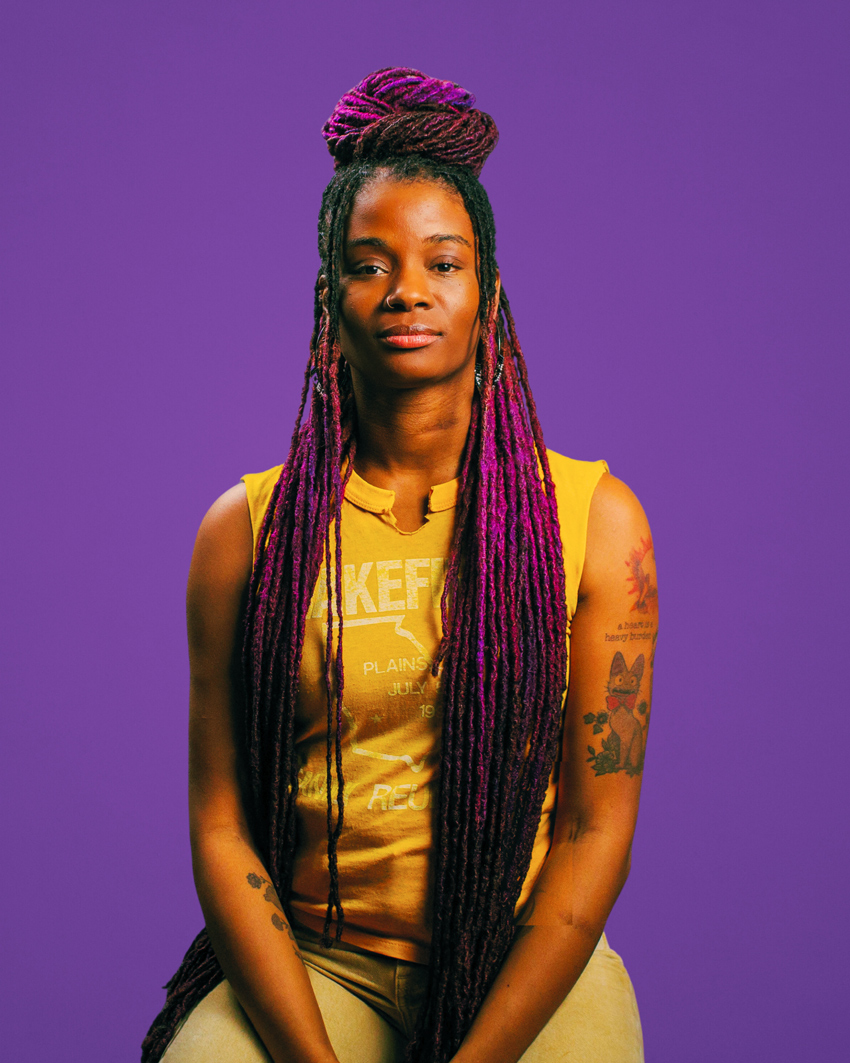
Cynthia Aime Photography
Grahl: Being a woman artist in DFW is honestly a very cool experience. There’s so much talent in this area, and being part of such a vibrant artistic community is truly an honor. I relocated to the Metroplex nine years ago, and one of the things I love most about North Texas is the incredible mix of people and cultures. Having the opportunity to learn from other musicians — their stories, backgrounds, and knowledge — has been an incredibly valuable part of my journey.
Hand: I’ve been a part of the Fort Worth music scene for well over a decade, and the relationships I’ve built have sustained me through many seasons as an artist. Honing my craft and showing support for others has gone a long way in nurturing these relationships.
I think my status as a woman affects my career less than my status as a married parent and music teacher. I wear a lot of hats, and I have to make choices every day about how to spend my time. When my kids were younger, I had to juggle a lot more, but we’re in a new season of self-sufficiency with them, and I’ve even been able to collaborate with my son. The hard days were hard, but I’m glad we pushed through. Maybe my experience is unique to wives/mothers juggling various roles, especially as creatives, but I suspect there are husbands and fathers who walk that tightrope, too.
Reilly: In general, I would say you will always have the struggles a woman would generally have: people thinking less of you because you’re a woman, your safety you have to think about when at bars and gigs, and the many other things we worry about as women on a daily basis. In DFW and also, on the other hand, in general, I would say it’s amazing. We get so caught up in all of the negative aspects of being a woman in the industry, we forget just how special and amazing it is to sing loud and proud and connect with other women, to inspire the younger generation and give a woman touch to performing [and] recording that no man could ever do.
Justin Ikpo Photography
Waller-Pace: I cannot separate being a femme artist from my identity as a Black artist, so I’ll speak to the intersection of both those identities. Misogyny and antiblackness have a cumulative effect on how I am viewed and treated as I move through my community as an artist and organizer. While I have made beautiful connections and found people who are solidly in my corner here, I also experience the deep disparities in funding and pay equity for my work, sometimes having my work that highlights Black culture — like the Fort Worth African American Roots Music Festival — not looked at as an event worthy of mainstream attention and support, and being approached with an assumption that I have less competence or experience than my male counterparts and white counterparts. Issues like this are more pervasive than just my metro area but are exacerbated by the unique institutional structures where I live and their erasure and neglect of Black contributions. This means I have to be extra vigilant in advocating for myself, building strong partnerships, and finding thought partners with whom I can share the load. I also have to make sure to be confident in what I know and my experiences, so I leave less space for people’s assumptions — which may be conscious or subconscious — to enter the room.
Weekly: Has it gotten easier or harder in the last few years, and, if so, why?
Asa: It seems easier to me now that there seems to be more events that look toward booking women specifically, when in the past I had to assert myself more or get put on by someone else.
Grahl: Over the years, I do feel that things have become more accessible, offering more opportunities for everyone. The diversity of cultures here has opened doors for all kinds of talents, music styles, and artistic expressions. There really is an audience for everyone, which makes this region so special.
Hand: It’s gotten easier because of perseverance. Building relationships is the key to this business, and simply being around for as long as I have has opened doors that my younger self found closed. My discernment has also grown as to what opportunities may seem too good to be true.
Reilly: It has gotten easier for me. You get thicker skin over the years, and you care less and less of what people think. You start to realize it’s all your perspective: Will you make the most of your career?
Waller-Pace: Over the last few years, some things have gotten easier, such as finding musicians with whom to create and finding platforms that will share my work. This has been in a great deal due to other folks in my community understanding the struggles of being a creative. Beyond that, Black women and femmes who share my lived experience as an artist in DFW have been invaluable sources of support and encouragement. Their support has started the ball rolling on getting the attention of media outlets, finding grants, getting booked, and many other things.
Weekly: What’s your plan moving forward?
Asa: My plan is to continue learning, expanding, experimenting, and collaborating in the music world and to gain as much experience as I can.
Grahl: I plan to continue growing and reaching new audiences through my music. With El Chanclazo [collective] and our Bohemian Latin music, I hope to share a piece of my culture while continuing to bring people and communities together through the universal language of music.
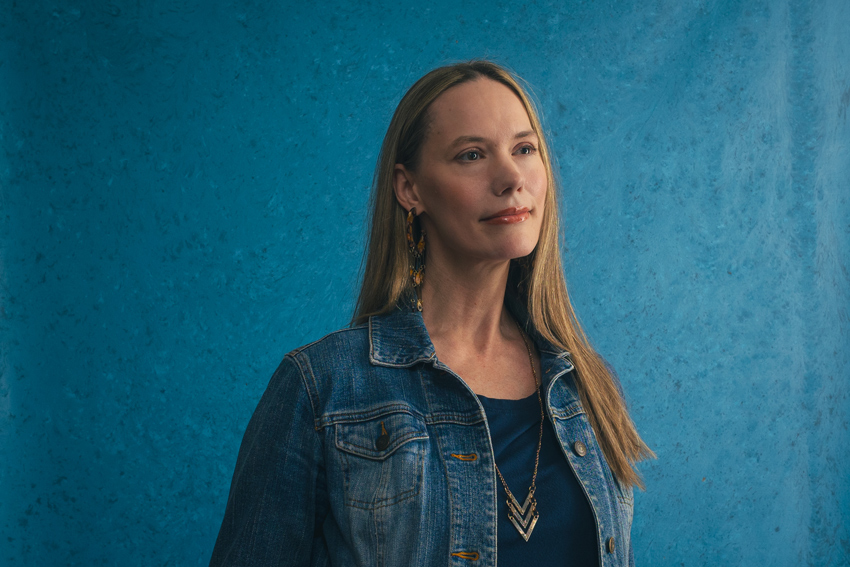
Photo by Amani Sodiq
Hand: The songs for my next EP, Mandyland II, are mostly chosen, and I’m shopping some recording options here and out of town. I also stay busy as the bassist for Henry the Archer, as a freelance bassist for various choral groups in DFW, a church musician, and an elementary music teacher.
Reilly: My plan moving forward is to keep playing shows, record more music, and make sure I can support myself for a lifetime off of music. It’s definitely not easy, but nothing worthwhile is. I want to inspire more women, no matter what age or stage of life they are in. We can do anything men can, and this was always true. We are just lucky enough to be in a timeline that allows us to express ourselves freely.
Waller-Pace: My plan is to keep on keepin’ on! My art is informed by my lived experience as a Black femme artist, and as an artist, I am compelled to create, tell stories, and make connections. I plan to do more writing, practicing, organizing, and engaging in joyful professional and community musicmaking.
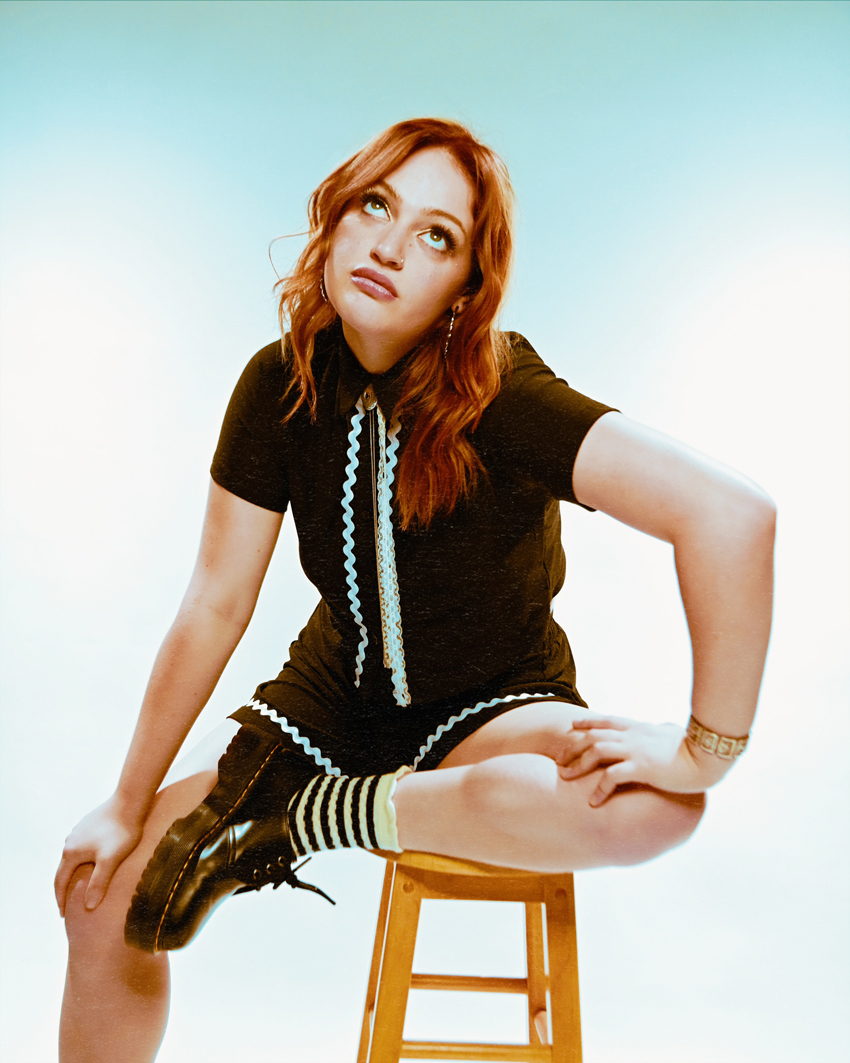
Maia Art Media