


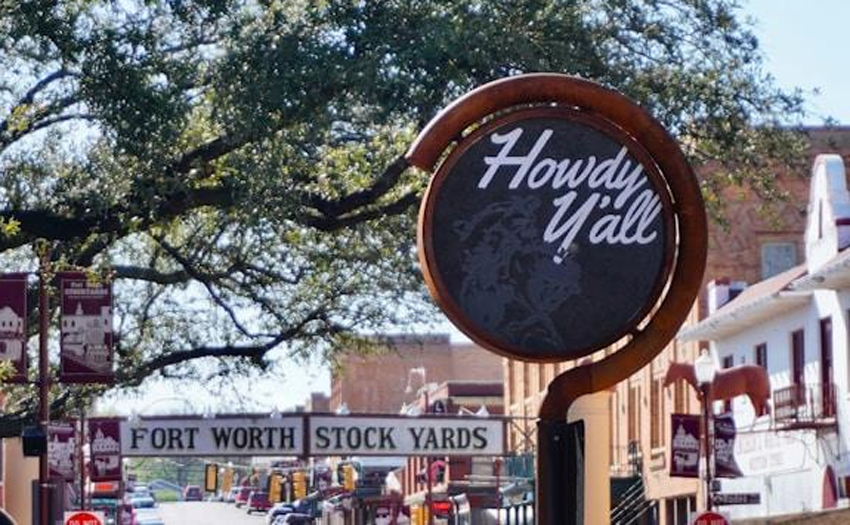
Fort Worth is part of the Dallas-Fort Worth region, but it has its own personality. It feels calmer and more neighborhood-based than many big cities, with a strong Texas identity that shows up in daily life, not just in tourist spots.
Fort Worth is easy to like once you understand a few basics. The city is spread out, the weather can turn quickly, and driving shapes most routines. Plan for those realities, and the rest falls into place faster.
Neighborhood Choice Shapes Your Daily Life

Fort Worth changes quickly from one area to the next. Start by picking a neighborhood that matches your routine, then look at specific homes or apartments. Downtown and nearby districts fit people who want events, dining, and a more walkable core. Fairmount is known for older homes and a classic neighborhood feel. The TCU and West Cliff area draws people who like being near campus life and local shops. North Fort Worth has lots of newer development and more space, but longer drives to some attractions.
Do a simple test before you commit. Check how long it takes to reach work, groceries, a gym, and a doctor at the times you will actually travel. Fort Worth can look close on a map and still feel far when traffic builds.
Cost, Taxes, and Monthly Bills
People move here for many reasons, from aviation and healthcare jobs to family ties and more space. New residents include Asian brides starting a new chapter, young professionals testing the region, and families looking for a more affordable place to put down roots.
Fort Worth can feel affordable, especially if you are coming from higher-cost regions. Housing is often the biggest advantage, though prices have risen with the area’s growth. Value depends on your commute and whether you prefer older neighborhoods or newer suburbs.
Texas has no state income tax, but property taxes can be higher than newcomers expect. If you are buying, ask for a realistic monthly estimate that includes taxes, insurance, and any homeowners association fees.
If you are renting, do not ignore utilities. Summer air conditioning can be a large bill, particularly in older homes with weaker insulation. It also helps to think about weather risk when you set up insurance. Hail and severe storms are part of life in North Texas.
Weather and Storm Readiness
Summer is the main adjustment. Many days are in the 90s, and the heat can last well into early fall. Plan outdoor time early, keep water in the car, and make sure your home cools efficiently.
Spring is when the weather can swing from warm to stormy fast. Thunderstorm warnings, strong winds, and hail happen. Tornado risk exists in the region, even if most days are normal. Set up phone alerts and know where you would take shelter if a warning is issued.
Winter is usually mild, but ice is the real problem when it hits. Even a small freeze can slow the city because roads are not treated like they are in colder states.
Transportation and Commutes
Fort Worth is a driving city. Highways like Interstate 30, Interstate 35, and Interstate 20 shape most commutes, and traffic gets heavy during rush hour. Fort Worth can be easier than Dallas to navigate, but construction and growth still create delays.
Public transit exists, including Trinity Metro services, and Downtown is one of the few areas where you can run errands on foot. Most households still rely on at least one car. Before you sign anything, drive your commute at the time you will travel. That single test saves a lot of regret.
Work, Schools, and Practical Setup
The job market is tied to aviation and defense, rail and logistics, healthcare, and education, with corporate roles spread across the wider region. Pay attention to the exact job location. A role listed as Fort Worth may be closer to the airport or a freeway corridor, and that should guide where you live.
Families should know that school experiences vary by neighborhood. Fort Worth Independent School District covers a large area, and many families also consider charter, private, or nearby suburban options. If schools matter to you, tour in person and ask about programs and daily logistics.
In your first month, handle the basics early. Confirm internet options, learn trash pickup rules, and plan vehicle registration and a driver’s license update if you are coming from another state.
Culture, Outdoors, and Feeling at Home
The city has major museums and a strong performing arts presence, plus family staples like the zoo and botanic garden. You can also tour the U.S. Bureau of Engraving and Printing, which prints U.S. currency. For everyday outdoor time, the Trinity Trails system is useful for walking and biking. If you want to meet people faster, join a hobby group, a rec league, or a neighborhood association. Fort Worth is friendly, but you still have to show up.