

Artificial intelligence is everywhere you look and has quickly become an unavoidable part of modern life. It powers search engines, drafts emails for us, and aids in everyday problem-solving. However, AI isn’t limited to the cloud. Behind digital convenience lies physical infrastructure, and now there are more than 400 data centers around the country.
Texas has emerged as a national leader in this development, and North Texas is becoming an epicenter of this technological expansion, attracting large-scale projects that affect the economy and the environment. With plans underway in Fort Worth and a controversial proposed development near Dinosaur Valley State Park, many residents are pushing back for fear that this digital boom will disrupt their quiet neighborhoods, threaten local ecosystems, and reshape the land forever.
The environmental impact of these facilities is undeniable and increasingly becoming impossible to ignore. One of the most prominent concerns is water consumption. These facilities run 24/7 and require a significant amount of water to keep servers from overheating, with larger facilities consuming up to 5 million gallons daily.

Sites are often built in regions where surrounding communities already face water shortages, with some residents reporting declines in water pressure and quality at home. North Texas is drought-prone, and residents are already subject to water restrictions, placing tremendous strain on our natural resources and our pocketbooks.
Beyond water consumption, data centers also have increased electricity demands. In fact, it’s projected that by 2030, facilities in Texas could consume more electricity than 10 million homes. Because these sites operate continuously, they require significant power to keep the servers running and cooled. As more facilities are being built in our region, this puts significant pressure on our already shaky power grid.
Texas operates on an independent power grid that has experienced past failures. Texans are not strangers to major grid failures during extreme weather events, and the trauma of the Texas power crisis of 2021 still looms over many. This raises concerns about whether our power grid can continue to sustain this ongoing pressure. Because of this, we will indirectly pay the price through higher energy bills and grid instability.

Courtesy Sierra Club of Greater Fort Worth
Data centers also contribute to air, noise, and light pollution. A Cornell study found that by 2030, the current rate of AI growth would annually put 24 to 44 million metric tons of carbon dioxide into the atmosphere. Backup diesel generators at these facilities emit nitrogen oxides and particulate matter into the air, significantly contributing to declining air quality, posing serious health risks, including respiratory problems and other chronic conditions.
Beyond air quality, the constant humming produced by equipment creates noticeable noise pollution, while the harsh 24/7 bright lighting causes light pollution that disrupts both nearby communities and surrounding wildlife. Residents also experience disrupted sleep and increased stress due to the harsh settings.
The impact on lower-income communities, where many of these facilities are proposed, raises concerns about environmental justice. Because this land is cheaper and political resistance is grossly limited, residents in these areas face decreasing property values and disproportionate environmental burdens, further deepening existing inequalities.
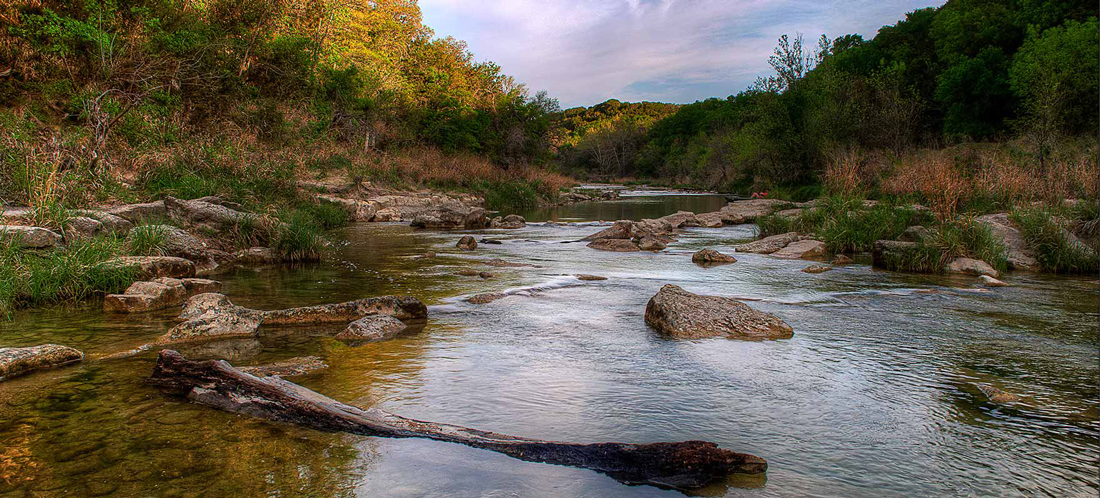
Sierra Club of Greater Fort Worth (SierraClub.org/texas/greater-fort-worth), the local chapter of a grassroots environmental organization that helps protect wild spaces, notes that these developments can easily span up to 450 acres. This is a concern near the beloved Dinosaur Valley State Park, which lies within the Paluxy River watershed, an ecologically sensitive area. Residents and environmental advocacy groups, such as the Sierra Club and Protect the Paluxy Valley, are raising concerns about the environmental impact this project could have on the fragile ecosystem and the surrounding rural community.
Similar opposition can also be seen in Tarrant County, where residents are actively expressing concerns about how the proposed Black Mountain Data Center could impact their neighborhoods, including not only Fort Worth but also Arlington, Everman, and Forest Hills. Southeast Fort Worth, an area where the land is already heavily concentrated with landfills, warehouses, factories, and truckyards, is not equipped to accommodate development of that magnitude.
As North Texas continues to develop as an AI hub, the challenge now lies in balancing environmental sustainability and technological advancement, and it’s important to recognize that we have the power to drive change. We must act now to preserve our communities for generations to come.
Luckily, there are plenty of ways to become involved. Attending city council meetings, advocating for zoning regulations, and engaging with local representatives are effective ways for community members to be active and make their voices heard. Concerned citizens have attended Fort Worth City Council meetings month after month while this issue has been on the table, helping affect decisions from January through March. Due to strong community backlash on Mar 31, councilmembers decided to postpone the decision on a 10-year tax break to Black Mountain to at least May 12, 2026. To add your name to a petition about the Black Mountain Data Center, go to ActionNetwork.org. As a Fort Worth resident told Fort Worth Report, while the site rezoning to industrial use will allow this project to move forward, those concerned should still make their voices heard.
Those interested in learning more about this issue are also welcome to attend the next general meeting of the Sierra Club at the Fort Worth Botanic Garden (3220 Botanic Garden Blvd, Fort Worth, 817-463-4160) on Wed, Apr 15, from 7pm to 8pm, where environmental activist/lobbyist Rita Beving will speak on the impact of massive data centers on Texas. For info on future events, follow Facebook.com/GreaterFortWorthSierraClub.
Amber Chadwick is a Texas-based activist and freelancer who writes about reproductive rights, the environment, and other social issues.
This column reflects the opinions and fact-gathering of the author(s) and only the author(s) and not the Fort Worth Weekly. To submit a column, please email Editor Anthony Mariani at Anthony@FWWeekly.com. He will gently edit it for clarity and concision.