

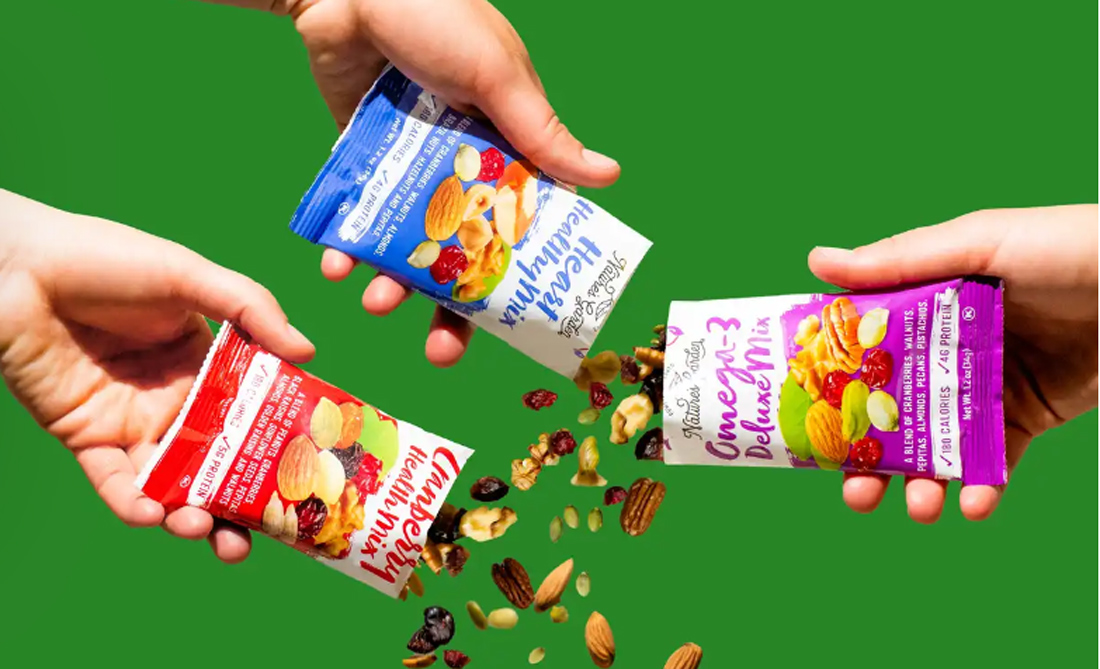
Most people don’t snack because they’ve reached some higher state of nutritional enlightenment. They snack because it’s 3:14 p.m., lunch is long gone, and the nearest option is whatever’s been fossilizing in a desk drawer, glove compartment, or checkout lane. That usually means a crushed granola bar, a handful of chips, or something aggressively beige from a vending machine.
For years, snack food got by on speed alone. Fast, salty, sweet, done. That bargain feels tired now. People still want convenience, but they also want something that lasts longer than ten distracted minutes and doesn’t leave them feeling like they just ate packing material. Between the junk and the joyless health food, there’s finally some middle ground.
Desk Snacks Have Had It Too Easy

Snack food has coasted on one unbeatable advantage: it’s nearby. That’s how grown adults end up treating stale crackers like a survival plan and calling them a bridge to dinner. The standard was never flavor, staying power, or actual substance. The standard was simply, “I found this first.”
That standard is slipping. People want something that can handle a workday, a road trip, or an afternoon slump without tasting like it was engineered for a gas station shelf in 2009. That’s part of why more shoppers are paying attention to snacks with omega-3 and reading the bag a little more closely. The appeal is basic. A better snack should have some crunch, some character, and enough real-food credibility to earn its place in the drawer.
The Middle Ground Is Finally Edible
For a long time, the snack aisle offered two bad choices. One side was full of bright packaging and junk food that barely tried to pass as real food. The other was packed with health snacks that often seemed to mistake blandness for virtue. One felt like candy in disguise. The other felt dry, dutiful, and hard to get excited about.
That divide has started to soften. More snacks now rely on ingredients people actually know and want to eat, which changes the experience right away. Nuts, seeds, dried fruit, and other simple staples can do what a snack is supposed to do: taste good, hold you over, and keep the afternoon from falling apart. No one needs every bite to feel righteous. They just want something that feels like a better choice.
Why Omega-3 Stuck Around
Some nutrition terms arrive with all the charm of a waiting-room pamphlet. Omega-3 has managed to stick around for a reason. People have heard enough about omega-3-rich foods to know they belong in the category of useful, not trendy. In a snack aisle crowded with miracle powders, fake energy, and labels that read like performance art, that counts for something.
Part of the appeal is how ordinary the ingredients can be. Nuts and seeds already make sense in a snack. They bring crunch, richness, and enough substance to keep a snack from feeling like flavored air. No one gets excited by a lecture in packaging form. They respond to food that tastes good and feels like an actual choice.
Trail Mix Had to Grow Up
Trail mix used to be the snack equivalent of a compromise. A little worthy, a little dusty, and one bad raisin away from disappointment. Then some versions went too far in the other direction and turned into dessert with a few nuts tossed in for legal cover.
The better mixes pull back from both extremes. When the base leans on walnuts, almonds, pumpkin seeds, pecans, pistachios, and dried fruit, the whole thing feels more grounded. You get contrast instead of chaos. Crunch, chew, salt, sweetness, all in the same handful. It still feels like a snack. It just doesn’t feel flimsy.
Convenience Makes the Rules
Most snack decisions aren’t made in a farmer’s market frame of mind. They happen in traffic, between meetings, after school pickup, or five minutes before something starts. That’s why convenience keeps beating good intentions. When people are tired or distracted, they reach for whatever already exists in their orbit.
That reality can work in your favor. A decent snack doesn’t need to be heroic. It just needs to be present when the bad option makes its move. A resealable mix with nuts, seeds, and dried fruit can live in a bag, a desk, a glove box, or a kitchen cabinet without feeling like a backup plan from a sadder era. The smartest snack is rarely the most aspirational one. It’s the one you’ll actually keep around and not immediately regret.
The Anti-Garbage Era
Call it the anti-garbage era. People still want convenience. They still want salt, crunch, sweetness, and something they can eat one-handed in a parking lot. What they seem less willing to tolerate is the old deal, where every snack had to be either nakedly junky or joylessly “healthy.” That split never made much sense, and it looks even sillier now.
The better middle ground has gotten easier to spot. Snacks built around nuts, seeds, and dried fruit feel like a correction to years of processed filler, sugar blasts, and fake virtue in glossy packaging. That shift matters more once you start thinking about how food can shape your mood and the overall tone of an afternoon.
Nobody needs a perfect snack drawer. They need a less embarrassing one. A handful of something decent won’t fix your life, but it can rescue an afternoon, steady the hours between meals, and make the daily act of eating feel a little less chaotic. For most people, that’s more than enough. That’s a small, useful victory over garbage.