

Sudden illness or injury in your dog or cat can be stressful and overwhelming, often requiring immediate action. Access to urgent and emergency veterinary care ensures your pet receives the right help when every moment counts. Knowing when and how to seek these services can make all the difference during a true health crisis.
Today, pet ownership is more common than ever, making preparedness for emergencies increasingly important. Whenever your dog or cat experiences a health problem that goes beyond routine care, knowing where to find an emergency veterinarian service in Prosper, Texas can be crucial for swift intervention. Understanding which symptoms signal trouble and how to access urgent veterinary support empowers you to act quickly for your animal’s well-being.
Recognizing when your pet needs urgent veterinary care

Acting quickly can be lifesaving when your pet shows sudden symptoms such as labored breathing, collapse, uncontrolled bleeding, or frequent vomiting. Owners should also be alert for seizures, suspected poisoning, or behaviors like extreme lethargy and severe pain. These signs often indicate an emergency situation where immediate professional attention is essential.
For both dogs and cats, drastic changes like inability to urinate, unresponsiveness, or visible trauma require urgent evaluation. Veterinary clinics are prepared to manage emergencies such as toxin exposures, traumatic injuries, and severe allergic reactions, all of which can escalate without prompt care. Recognizing these problems early improves the likelihood of a positive outcome for your pet.
What to do before arriving at an emergency clinic
If you suspect a true emergency, keep your pet as calm and still as possible to avoid further injury. Use a leash, carrier, or towel to help restrain them safely, protecting both the animal and the people assisting. Do not attempt home treatments or give over-the-counter medications, as inappropriate care can worsen the situation.
When preparing for transport, gather any medical records, note recent exposures to food, plants, or chemicals, and call the clinic in advance to provide key details. Clinics such as UrgentVet recommend notifying their team about the emergency before arrival, so they are ready for your pet. Timely information and preparation support the fastest possible care.
Preparing ahead for pet emergencies
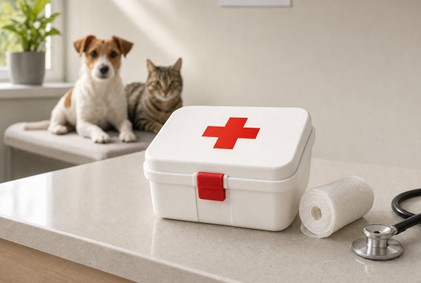
Your readiness begins long before an emergency occurs. Assemble a pet first-aid kit with bandages, gauze, and contact details for local emergency clinics, and keep these resources in an accessible place. Maintaining current vaccination and health records, as well as knowing your nearest after-hours provider, helps you act quickly when needed.
Pet-proofing your home, safely storing hazardous substances, and supervising outdoor activity can help prevent many emergencies from occurring. Observing changes in your dog or cat’s typical behavior and staying informed about common local hazards further contribute to your ability to respond quickly and effectively should a crisis arise.