

As summer wanes and people start taking those last trips before school starts, it’s a good time to consider disease prevention. Earlier this spring, a massive outbreak of norovirus made the rounds, and now you’re learning everything you never wanted to about cyclospora. In addition to washing your hands (airborne viruses) and washing your vegetables (foodborne parasites), you should factor in animal vector illnesses like rabies before you leave home.
Most pet owners know about rabies vaccine, but rabies exposure for both animals and people is on the rise in parts of Texas and much of the rest of the world. While animals are more likely than humans to be affected by rabies from contact with other animals, including bats, raccoons, and skunks, humans can get exposed, too. Rabies is transmitted through the saliva of infected animals via bites, scratches, or open wounds. Airborne transmission is rare (only in bat caves), and rabies isn’t spread from person to person.
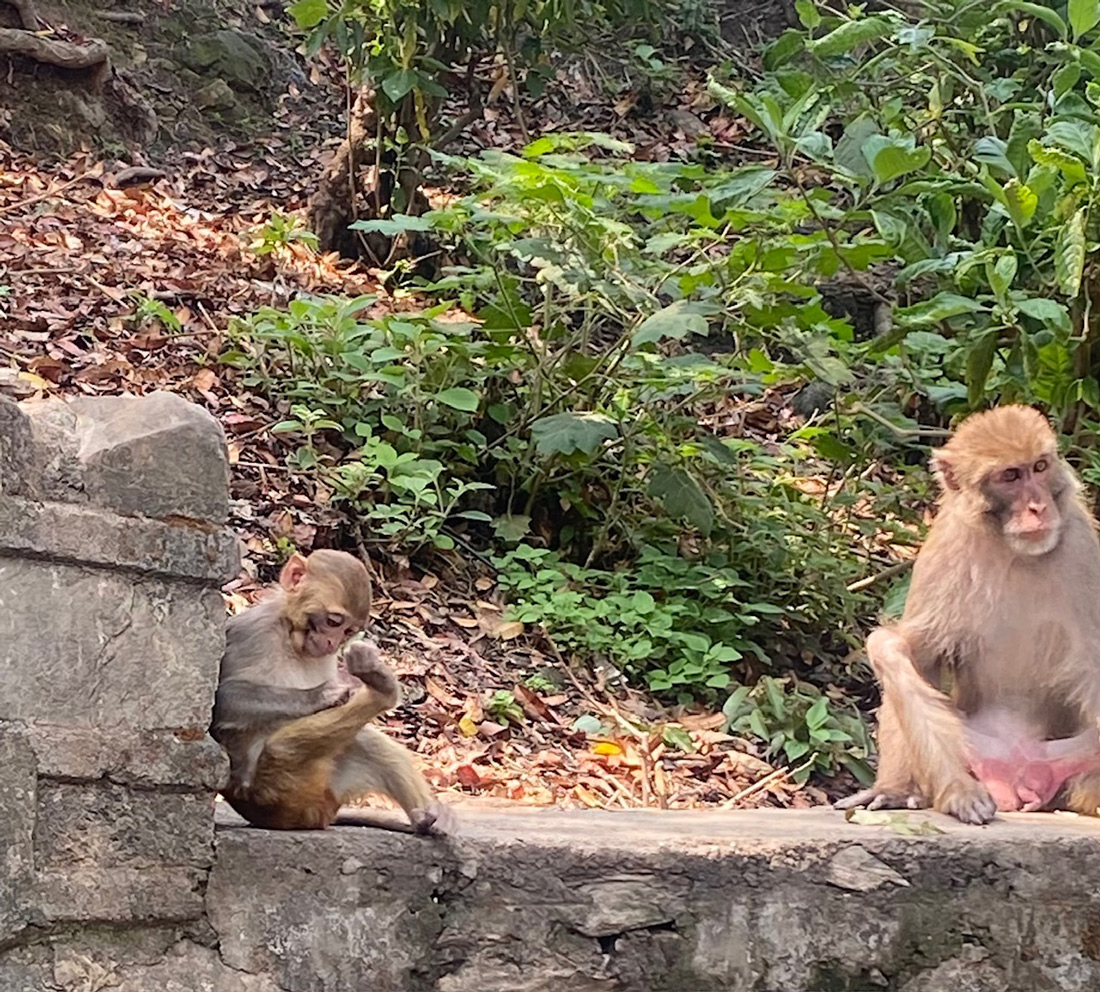
My 25-year-old daughter planned a trip to Nepal and Thailand, where rabies is present in the monkey population. Although she didn’t do anything especially foolish –– like try to pet a monkey or feed one –– she was still potentially exposed to rabies via a really small scratch, courtesy of a macaque who thought my kid’s leg looked like a great springboard into the water.

It’s not just monkeys in Thailand or coyotes, skunks, bats, raccoons, and other wildlife in almost any other country or right here at home. The Texas Department of Health and Human Services, as of July 2026, says seven cases of laboratory-confirmed rabies have been reported in North Texas in bats and an additional handful of cases in skunks. No rabies cases have been reported in household pets as of this writing. Austin and San Antonio have reported between 17 and 32 cases of rabies, mostly in wild animals and bats, although there’s been an uptick in reports of lab-confirmed rabies in household pets as well.
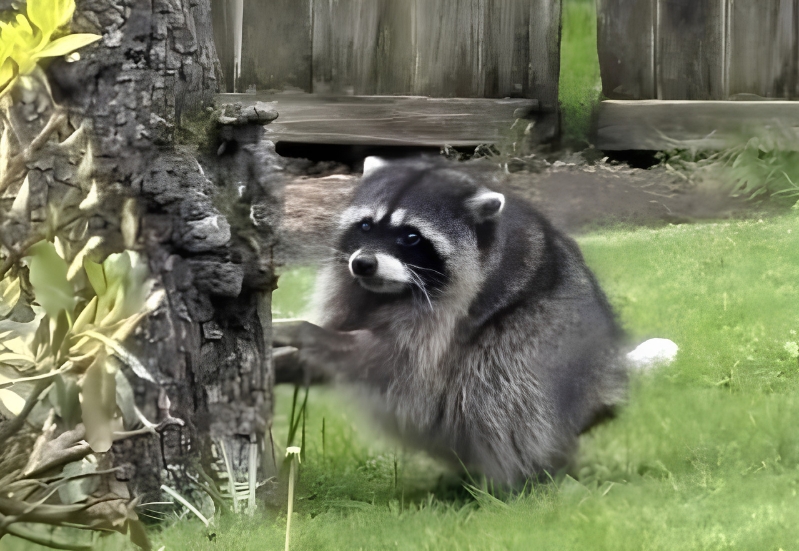
Jimothy the Seattle raccoon with the short spine is adorable in the TikTok videos and Instagram posts, but the good folks in Seattle’s Ballard neighborhood are providing the li’l fluffball food and water, which may provoke unwanted contact with Jimothy’s relatives or other animals –– which is how humans and their pets get bitten or scratched.
Back in the 1900s, an exposure to a potentially rabid animal got you a painful series of four post-exposure vaccines, usually around the affected area or in your stomach. There was no preventive vaccine. Most people got their first vaccine in the emergency room, then struggled to find the next three doses because the vaccine is fairly fragile, not used often, and is too expensive for pharmacies to stock like flu or other booster vaccines.
Today there are pre-exposure rabies vaccines: two shots, both in your arm, one week apart from each other, before you take that trip to the mountains of Thailand or the caverns of Austin. Currently, the Tarrant County Health Department with multiple locations offers a travel vaccine clinic, where staff can review your immunization records, provide consultations about food and waterborne diseases around the globe, and, most importantly, offer vaccines like the pre-exposure rabies vaccine, typhoid, yellow fever, and others. But this takes planning –– you’ll need an appointment and your vaccine record, if you have it. The preventive two-shot rabies vaccines will run you around $900.
The City of Fort Worth Animal Care & Control says that if you’re bitten or scratched by an animal that isn’t your pet, assume it’s infected. Wash the wound with soap and water, then get to your health provider or a local emergency room so someone can look at the wound and help assess the risk for rabies exposure.
I reviewed recommendations for vaccines in the countries my daughter was visiting. The rabies pre-exposure vaccine was recommended for travel to certain areas of Thailand. Or, as I said jokingly, she could just plan to not pet the monkeys. That was the option she chose, and it was probably a fine decision at the time she made it. But a trip to a beach later, she was FaceTiming us to show the small cut on her leg where that macaque cozied up to her.
Unfortunately, by the time lab testing shows that the critter that bit or scratched you is rabid, it’s too late for you to get the vaccine. Untreated rabies infection is fatal to people and animals, and the clock is ticking from the time you’re exposed. Early symptoms include fever, headache, anxiety, confusion, and feeling tired. Agitation, muscle paralysis, hallucinations, excessive salivation, coma, then death from respiratory failure follow.
If you haven’t gotten the pre-exposure vaccine, you’ll need four doses of post-exposure prophylaxis vaccine –– the good news is that these are also just shots in your upper arm. You may also need a skin antibiotic or an oral antibiotic, depending on your level of exposure.
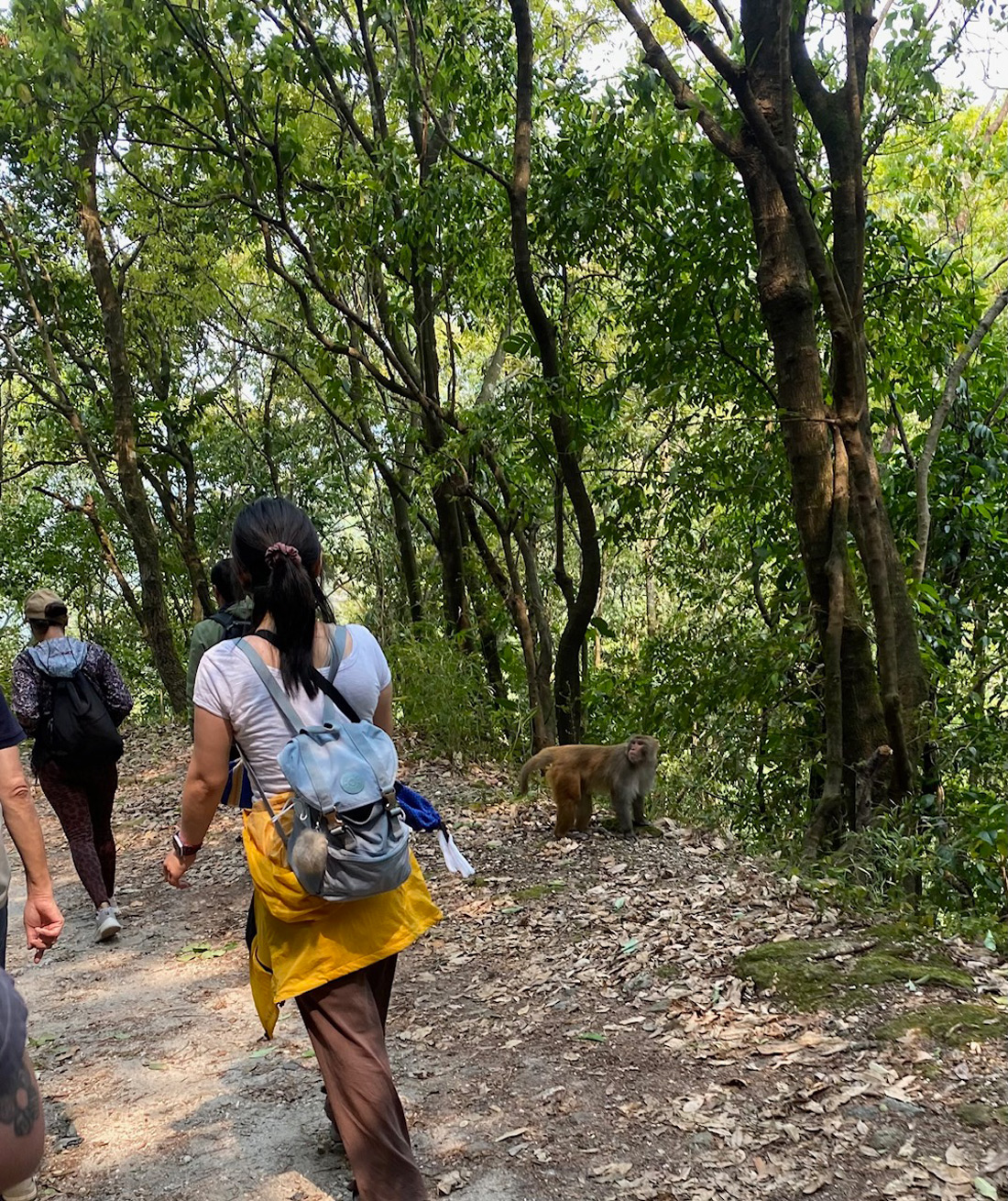
Photo by Kaylie James
Staff at the Phuket emergency room where my daughter went were very practical about her exposure to the monkey. Even though it was just a tiny scratch, she got the first of four vaccines and antibiotics for the potential skin infection. When she returned to DFW, it was difficult to find the second vaccine. Fortunately, she lives in Austin, where they’re used to dealing with people exposed to bats, so the third and fourth doses were easier to obtain.
If you’ve ever camped in the Hill Country, you know bats fly into campsites, homes, and other areas where they might come in contact with people and pets –– if you’re in your swimsuit or otherwise not geared up like the guys in Ghostbusters, swatting a bat with a broom might cause the same kind of incidental exposure.
Sadly, neither the two-dose pre-exposure vaccine or the four-dose post-exposure vaccine confer lifetime immunity to rabies. My kid has an estimated five years’ worth of protection from another rabid animal.
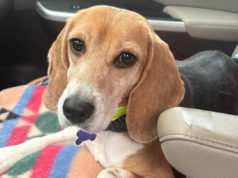
To keep rabies at bay, make sure vaccinations are up to date for your dogs, cats, and ferrets. This may provide a barrier of protection to you if your animal is bitten by a rabid wild animal.
Whether you’re embarking on international travel or taking a trip to the hills of San Antonio or Austin, where the Ann W. Richards Congress Avenue bridge is home to thousands of bats, a little risk assessment is a good idea. Wildlife, even the cute ones like Jimothy the raccoon, pose a risk to humans. Wherever you travel, minimize exposure to open garbage cans and trash and enjoy wild animals (the bats under the bridge, coyotes, skunks, and the Thai monkeys) from a distance.