


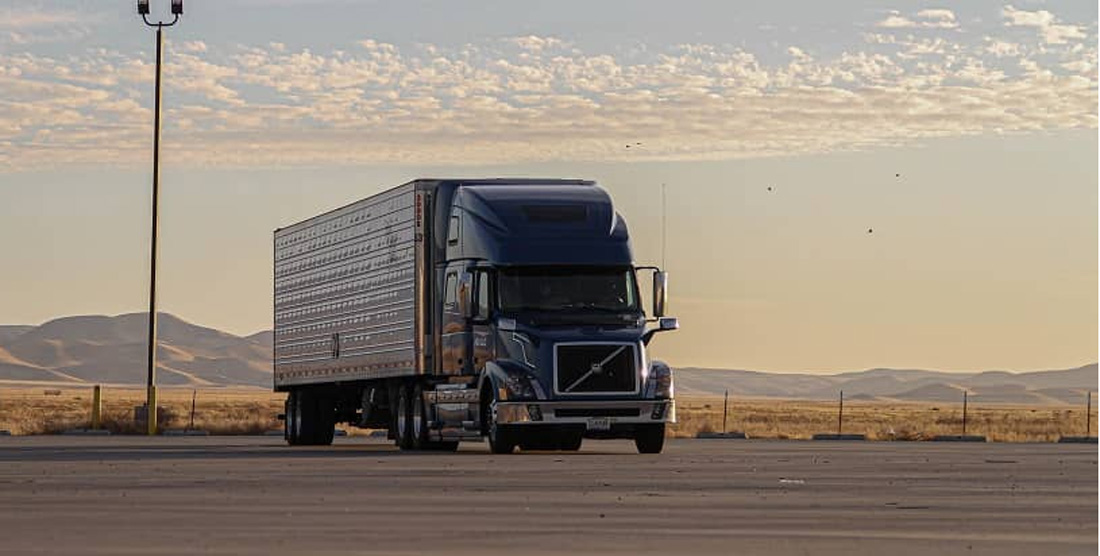
A collision with a commercial truck can create challenges that go well beyond the immediate damage and injuries, particularly for people traveling through Colorado Springs. Unlike an ordinary crash between passenger vehicles, a truck accident may involve a driver, trucking company, vehicle owner, maintenance provider, cargo handler, or other parties whose roles must be examined. The size and operation of commercial vehicles can also raise questions that don’t usually arise in standard claims, including whether company practices, equipment, or industry requirements played a role.
These cases may require a broader investigation because multiple records and insurance policies may contain important information. For someone injured in a truck crash, understanding these differences can help explain why the claim may require more detailed preparation from the outset. Colorado Springs residents dealing with such collisions may benefit from learning how commercial cases are evaluated before making important decisions. A truck accident attorney in Colorado Springs can review the circumstances and help identify the legal and factual issues that may distinguish a truck claim from a typical vehicle case.
Why Responsibility Expands

Standard vehicle claims often center on one careless motorist. A tractor-trailer incident may involve the driver, carrier, owner, maintenance contractor, loader, manufacturer, or broker. Each participant can hold separate insurance and records. Liability may rest on poor training, unsafe scheduling, defective equipment, improper cargo placement, or negligent supervision. Identifying every possible source matters because one policy may not cover the entire injury burden or available compensation for all affected claimants.
Evidence Requires Faster Action
Passenger crash evidence usually includes photographs, witness accounts, police findings, medical files, and repair estimates. Commercial cases may add operator qualification materials, electronic travel data, dispatch messages, inspection reports, maintenance histories, cargo documents, and employment records. Some items remain in a company system for a limited period. Prompt requests can preserve information before deletion, alteration, or loss weakens the factual record and leaves important questions unanswered for later review by counsel.
Insurance Coverage Can Multiply
Insurance handling also differs. A private policy may provide one primary source, while a trucking event can trigger coverage from several carriers. Adjusters may seek statements before the full facts emerge. They may also dispute vehicle ownership, employment status, cargo control, or policy limits. A careful claim review compares each contract, identifies exclusions, and measures available funds against treatment costs, wage loss, household support, and long-term care needs over time.
Injury Value
Medical harm tends to be greater because of differences in size and weight. Severe fractures, brain trauma, spinal damage, burns, and permanent disability can affect a claimant for decades. Financial recovery may include emergency treatment, rehabilitation, medication, reduced earning capacity, replacement services, and emotional harm. To claim future losses, you need credible medical and economic evidence. A settlement based only on current bills may leave a family carrying unpaid consequences for years.
Safety Rules Add Proof
Commercial drivers and carriers must follow safety rules that do not govern ordinary motorists in the same manner. Hours of service, inspection duties, substance testing, licensing, cargo security, and maintenance practices may shape fault analysis. A violation does not automatically prove every element of a claim. It can, however, support an argument that conduct increased crash risk, especially when records, testimony, and physical evidence clearly point to one cause in context.
Deadlines Differ
Time limits and litigation steps can differ under state law and federal practice. A claimant may need to notify certain insurers, preserve damaged property, obtain records, and file before the applicable deadline. Multiple defendants can create competing defenses and separate settlement positions. Court discovery may require detailed requests for logs, policies, training materials, and corporate communications. Missing one source or date can weaken your bargaining position and complicate later proof during negotiations.
After A Collision
After a collision, injured occupants should seek medical care, record symptoms, retain receipts, and avoid public statements about fault. Vehicle photographs, roadway images, witness contacts, and repair information can preserve useful details. A claimant should direct insurer questions through informed representation when pressure or confusion arises. Clear documentation helps separate verified facts from assumptions. That distinction supports stronger negotiations and gives a court a reliable foundation for deciding responsibility and damages.
Conclusion
Truck accident cases demand a wider review than standard vehicle claims. Serious injuries, commercial records, layered insurance, and several potential defendants can change both proof and value. Injured people benefit from prompt medical attention, careful documentation, and informed decisions about communication with insurers. A focused legal review can identify missing evidence, preserve key materials, and accurately present future losses. Those steps help our communities pursue fair outcomes after crashes involving large commercial vehicles.