


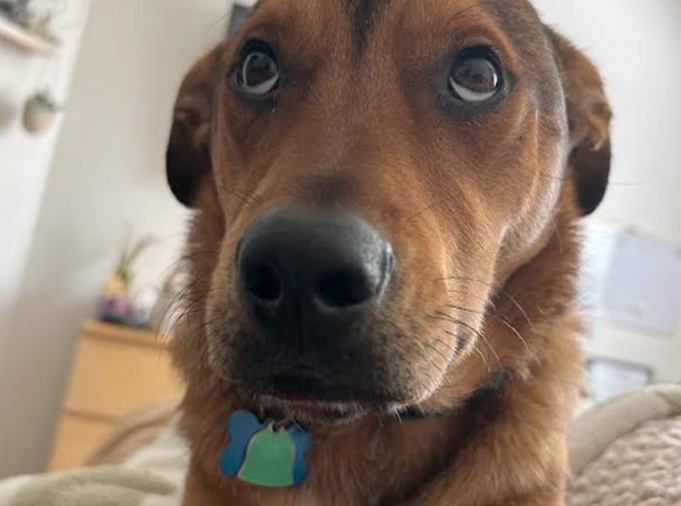
Palmer was a “foster failure.” Although the term sounds negative, the Australian shepherd mix with rich tan fur and soulful brown eyes landed in a best-case scenario. In the world of animal rescue, a “foster failure” is when a pet’s temporary caregiver becomes its permanent owner. That’s exactly how Palmer found his forever home.
“He just made me want to keep him,” said Avery Frederick, a coordinator at Saving Hope Animal Rescue in Fort Worth, where Palmer was born. “He’s very loving. He just loves to be right next to me.”
Frederick said she initially viewed Palmer as a foster, but that changed as the two became inseparable. Over the past year or so, Palmer has grown into a silly, happy dog who loves toys, watching cartoons, and playing with Sophia, Frederick’s other rescue dog.

Unlike Palmer, not every pet will have a happy ending at this time of year.
Given the overwhelming number of pets already in shelters, rescue advocates urge the public to first “adopt, not shop.” Adopting a pet can turn a seasonal trend into a lifesaving action.
“The overpopulation in Tarrant County alone is crazy,” Frederick said.
Volunteers with the nonprofit constantly monitor area shelters, gathering pets whose time is about to run out to save them from euthanasia. Despite these heroic efforts, Frederick said it isn’t always enough.
Beyond deciding to adopt, careful consideration is needed for whether a specific pet is the right fit for a household’s lifestyle. A dog’s temperament and required activity level, for example, can vary dramatically, even within the same breed. One person’s mellow West Highland terrier can be another’s whirling dervish.
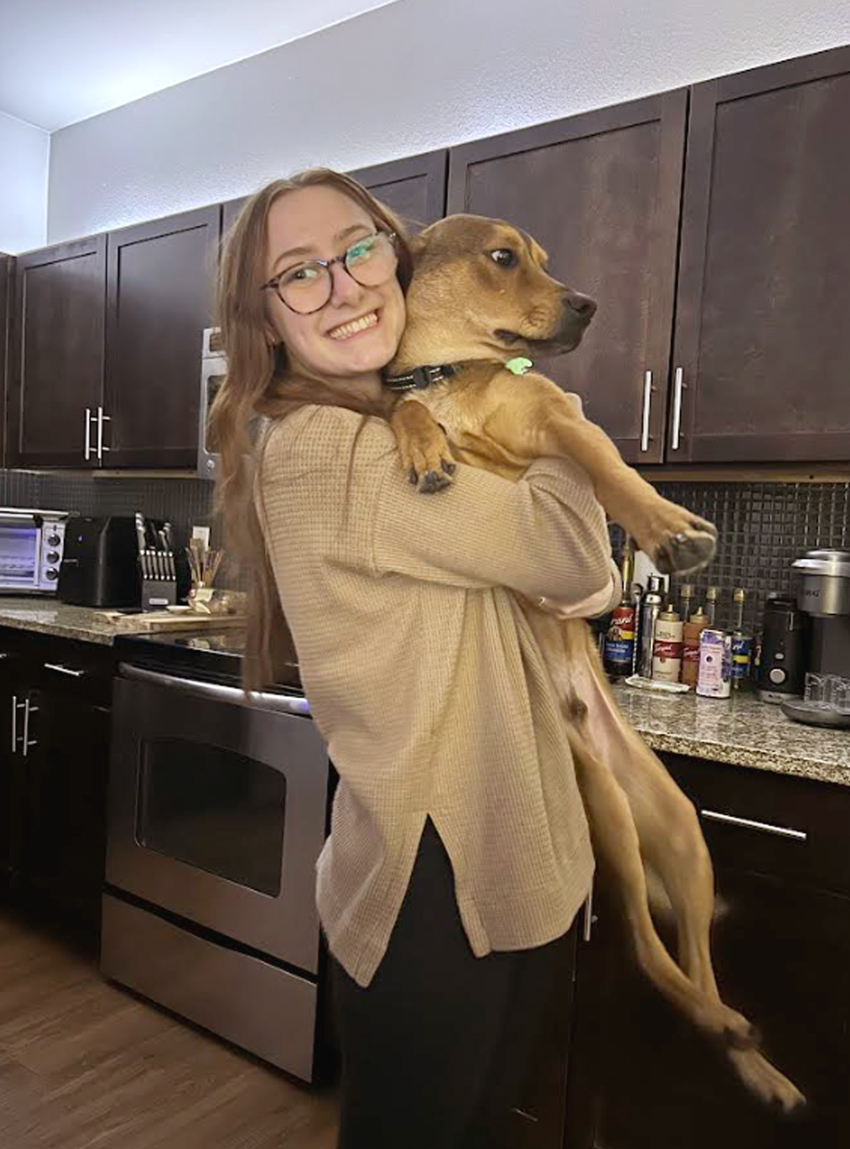
Photo courtesy Avery Frederick
Being unprepared for the demands of pet ownership is a primary reason dogs are surrendered to groups like Saving Hope or land in overcrowded shelters, where space and time are limited. Some of the most energetic breeds can also be more than people are prepared to handle. Take French bulldogs, for example. Adorable? Absolutely. A project? They can be.
“Some people don’t know what they’re getting into,” Frederick said. “People end up not wanting them because they can’t handle the high energy levels.”
A dog is likely going to be a 10-to-15-year commitment, and considering the breed’s energy level, size, and temperament is essential to ensure the right match. Costs associated with the possibility of chronic health conditions and general health care are other important considerations that many first-time owners often overlook.
Size matters, too.
“There are so many large dogs that get adopted, and once they get big, some people will say they need more space to run,” Frederick said.
To help ease the cost of care and promote responsible ownership, Saving Hope offers adopters an entire first year of required shots and free spaying or neutering.
Overall, Saving Hope’s impact includes saving a total of more than 12,000 dogs and cats since its formation in March 2018. In 2024 alone, Saving Hope invested approximately $1.4 million in veterinary expenses to ensure animals in their care receive the medical attention they need, according to stats provided by the nonprofit. Additionally, more than 1,500 dogs and cats were spayed and neutered.
“As we enter a new year at Saving Hope Animal Rescue, we’re excited for the progress ahead and the impact we hope to make for animals in our community,” said Lauren Anton, executive director and founder of Saving Hope Animal Rescue. “Our mission — to rescue, rehabilitate, and find loving homes for abandoned, neglected, and abused animals across DFW — remains our driving force.”
Among the plans for 2026 are expanding Saving Hope’s foster network, increasing awareness about low-cost veterinary care, and strengthening partnerships with local shelters and the community.
“These efforts will help us bring more animals out of crisis and into safe, loving homes,” Anton said. “Our vision for Tarrant County is simple: Save more animals, help more families, and continue building a community where every pet has the chance at a safe, happy life.”
For Frederick, pet ownership comes down to a simple, profound truth. “Any dog, any animal, is going to be a commitment. It’s your part to train the dog and work through their issues, and it’s your responsibility to make them a better dog and make sure they’re getting everything they need to be the best version of themselves. You can’t give up on them.”
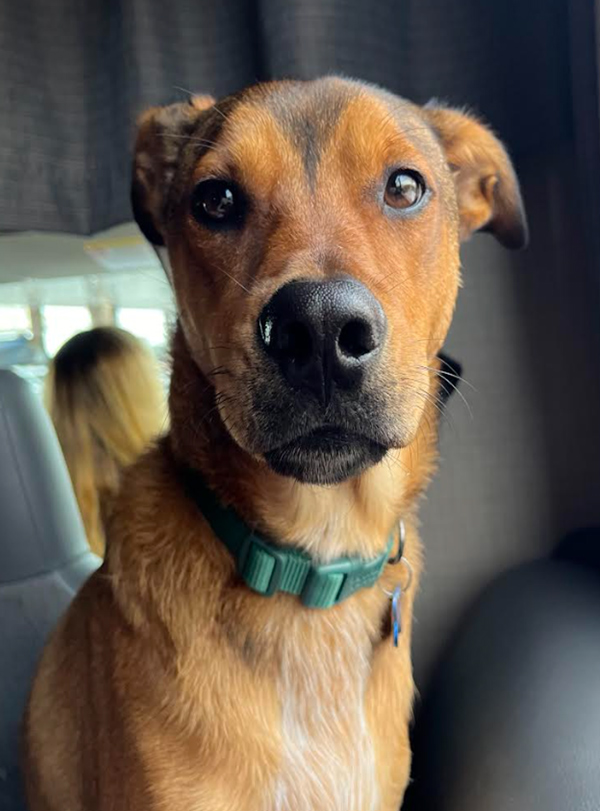
Photo courtesy Avery Frederick
With the FIFA Men’s World Cup coming to North Texas, stocking up on gear now is paramount for optimal soccer watching. Click here to read Rush Olson’s article, Goodies for Footies, on how to use the impending December gift-giving season to set up your loved ones for the big event, like Messi setting up a winger making a run.