

January, the month named for the god of open doors, has become all about closing doors. Nowadays, this is the time of year you’re supposed to avoid alcohol, stop eating junk food, restrict yourself to a tight financial budget, quit lounging on the sofa and marathon-watching your favorite series, and give up any number of undesirable habits and activities.
Of course, it’s also the month when most of these well-intentioned resolutions for the new year get abandoned after a few weeks of white-knuckled attempts at self-deprivation.
What if the key to actually following through on your self-improvement goals was to cut yourself some carefully chosen slack? That’s the idea behind designed indulgence, also known as strategic indulgence, pleasure scheduling, and a few other terms. By any name, the idea is that if you employ judiciously timed and targeted pleasures, you can boost your self-control more than by relying on willpower and self-deprivation.

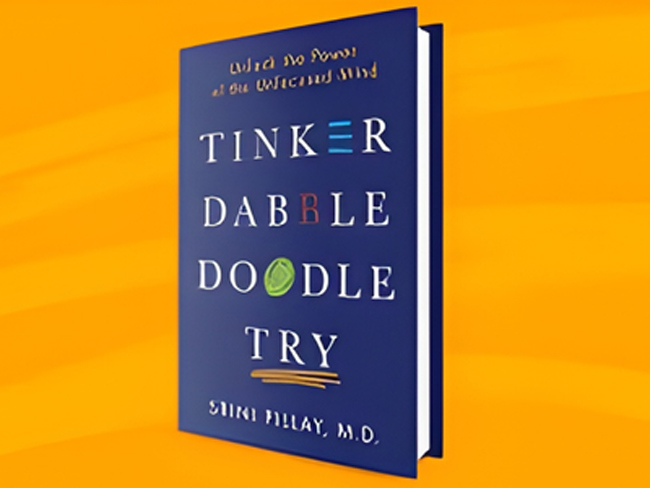
Designed indulgence is not just another name for a slip, said Srini Pillay, a Harvard-trained psychiatrist and brain researcher and author of Tinker Dabble Doodle Try: Unlock the Power of the Unfocused Mind. “Designed indulgence is deliberate, time-limited pleasure that’s planned rather than impulsive, so it refreshes the brain, reduces deprivation, and supports long-term goals instead of undermining them.”
The concept is supported by a sizable list of published research studies and has moved far beyond the laboratory and into the real world. North Texas-based life coach and hypnotherapist Deni Abbie sometimes prescribes it for clients who show signs of perfectionism, burnout, low motivation, anxiety, and avoidance. One specific use case is someone who shows great discipline all day, only to collapse into over-indulgence at night, she said.
Designed indulgence works by addressing specific obstacles that block people from achieving goals, Abbie said. “It reduces stress-driven impulsivity, prevents deprivation backlash, restores motivation through behavioral activation, and increases consistency because the plan becomes livable rather than punishing.”
If you could use a new tool to help with your own attempts to be the kind of person you want to be, here are some things to consider with regard to designed indulgence.
First and foremost, don’t give yourself a gift that’s going to harm you.
“If your goal is to lose weight, your designed indulgence shouldn’t be around food,” said Dallas life coach Ashley Shihab. “It should be something else that makes you feel excited. So, if I’m trying to save money, what else can I do that would give me that feeling without sabotaging my goal?”
In furtherance of that, figure out why you are considering a designed indulgence. Abbie says possible objectives include stress relief, emotional regulation, reward and motivation, restoration, and burnout prevention. It’s best not to regard a designed indulgence as an opportunity to impulsively deviate from your overriding strategy.
“This isn’t a cheat,” she said. “This is a regulation. This is part of the plan.”
Along those lines, once you plan a designed indulgence, follow through, just as you hope to do on the more deprivation-oriented parts of your resolution strategy.
Courtesy TinkerDabble.com
“It works best when it’s intentional and accountable,” Pillay said. “For every indulgence, you commit to staying on track with what matters.”
An overriding feature of successful designed indulgence is that it avoids extravagance and excess. Keep it small. If you’re celebrating hitting the $1,000 mark in your emergency savings, for instance, don’t design an indulgence that calls for spending $300 on a new pair of shoes when you have a closet full. Tone it down by, say, dropping $5 on crazy shoelaces. Even better, spend nothing at all and go on a walk in your most comfy sneaks.
Designed indulgences can take an infinite number of forms, depending on your specific needs and what you’re trying to accomplish. Here are some examples of designed indulgences that might fit your plan:
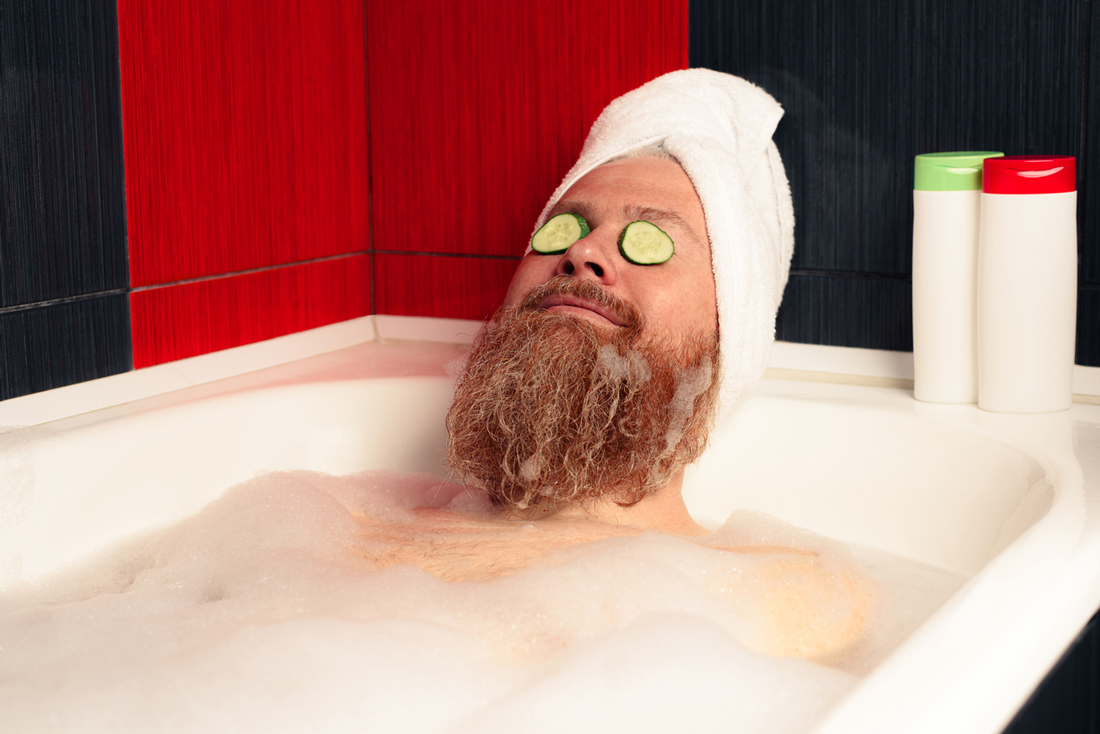
- Light a scented candle and take a warm bath
- Brew a cup of your favorite tea
- Go for a walk in nature or work through a yoga routine
- Call a friend just to talk
- Engage in a creative hobby
- Watch a comedy show
- Select a favorite recipe to cook
- Finish a small project you can accomplish quickly
- Take a short midday nap
- Spend a little time daydreaming constructively
Feel free to exercise your creativity here. Whatever empowers and energizes you without causing a problem could be a desired indulgence. Sociologist and writer Anna Akbari recalls interviewing a lawyer who rebelled against the conservative dress code in his office by wearing cap-toe shoes instead of the more customary wing tips. No one noticed the shoe violation, but even this minor act of rebellion made it easier to otherwise conform.
“Somehow that small aesthetic marker motivated him and made him feel he was doing his own thing even while seemingly playing by the rules,” Akbari said.
While you loosen the leash on your wild side, exercise some elementary caution. At minimum, avoid indulging in a way that could make things worse.
Abbie advised taking special care trying out designed indulgence if you tend to be compulsive. “For binge eating, addiction history, or compulsive spending, indulgences must be chosen carefully and tightly contained — and sometimes require additional clinical support.”
And designed indulgence is just a tool. It has limited applications and is not a perfect method for achieving all goals. A designed indulgent exercise that is uncomfortable or takes you backward may be telling you something. You might want to skip this suggestion and try something else.
“If it’s not your cup of tea, don’t do it,” Pillay said. “Being able to be indulgent is not for everyone.”
If your January has gotten to be too much about closing doors, however, this could be a way to change the narrative — and have some fun — while increasing your ability to self-control.
“To have strategic indulgences at least gives you the permission to explore the outer realms of excitement,” Pillay said. “You don’t want to be the walking dead going through life.”

Photo courtesy Makinzie Muhlbeier