


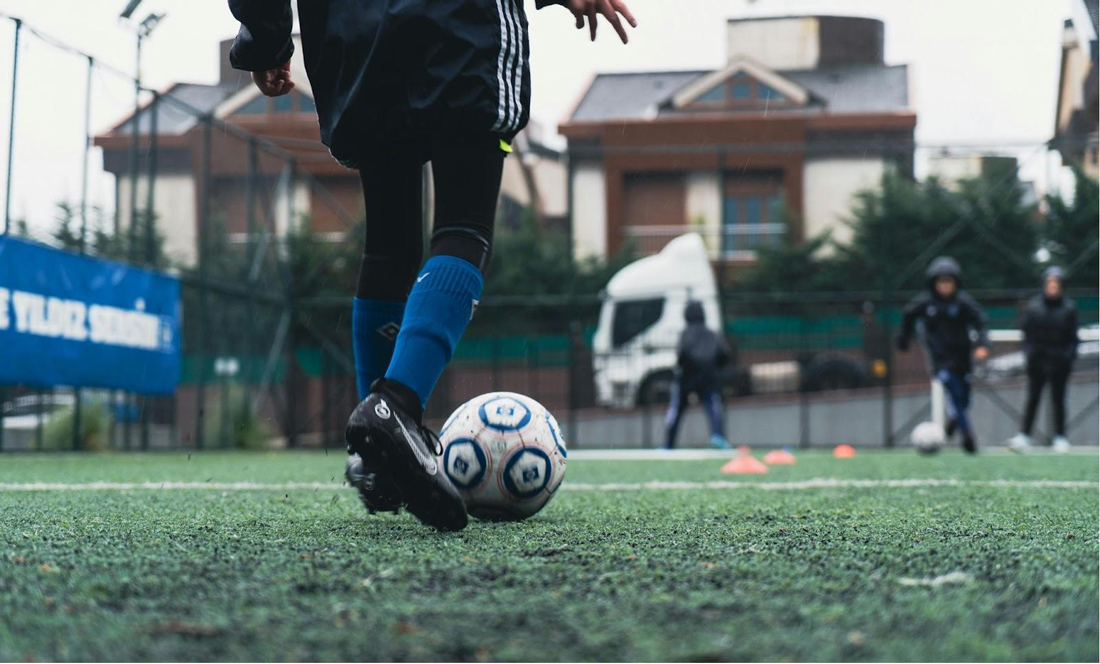
If you’ve played or even watched contact sports, you’re aware that sports have never been risk-free, and injuries are a part of it. However, over the past few years, there’s been much more attention on head injuries and their lasting impact on the brain over time.
These injuries are very common in high-impact sports like football, boxing, hockey, and rugby, where contact is unavoidable. This article delves into understanding different brain injuries and what legal recourse is available for the athlete sustaining such an injury.
Sports-Related Brain Injuries
Sports-related brain injuries cover anything from mild concussions to serious brain injuries that could occur during an athletic activity. The players and the organisations governing a sport are responsible for minimising the risk of such injuries. If the worst does happen and an athlete ends up getting injured, they can seek legal guidance from LawFirm.com. A few sports-related brain injuries include:
Concussions – They are the most common type of sports-related brain injury and often happen after a hard hit or sudden jolt to the head. They don’t always seem serious, which is why they’re so often underestimated. The real concern is their repetition, as one concussion might heal, but multiple “mild” concussions over time can quietly add up and have a lasting impact, such as memory problems, mood changes, leading up to serious conditions like CTE. Aftereffects appear as headaches, dizziness, trouble concentrating, or memory lapses that show up hours or even days later.
Chronic Traumatic Encephalopathy (CTE) – CTE can develop when you get repeated blows to the head over many years, and it’s one of the most serious long-term risks in contact sports. It’s usually diagnosed after death, which makes it especially troubling. Athletes affected by CTE often experienced memory problems, personality changes, depression, or cognitive decline while they were alive. As more former players come forward, CTE has become a major concern in sports where head contact is frequent and unavoidable.
Second Impact Syndrome (SIS) – Second Impact Syndrome is rare, but when it happens, the consequences can be devastating. It occurs when an athlete returns to play before fully recovering from a concussion and then takes another hit. That second impact can cause rapid brain swelling, leading to permanent disability or even death. This is why a strict return-to-play protocol is important, as ignoring early symptoms can turn a manageable injury into a life-altering one.
Legal Considerations
When it comes to sports-related brain injuries, it’s important to understand two key considerations to ensure accountability for the injury.
Liability refers to who is responsible when someone gets hurt. For example, if an athlete got injured because the facility isn’t safe, the floor is uneven, or due to faulty equipment, or a lack of supervision, the owners and operators of the facility could be held responsible. Premises liability laws require that anyone running a sports facility take reasonable steps to keep it safe for everyone who uses it.
Negligence is closely related but focuses on whether someone failed to act with reasonable care. Coaches, officials, and anyone responsible for athletes have a “duty of care” and are responsible for protecting players from foreseeable risks.
For schools and sports organizations, this means training staff to recognise concussions and respond appropriately and timely when they happen. Skipping these steps could lead to legal claims if a player gets seriously hurt.
Endnote
Sports come with risks that have long-lasting impacts that you should never ignore. Staying informed about symptoms and the potential legal considerations can make a huge difference in helping athletes, coaches, and organisations make safer decisions.