

Swedish Candy Culture, 3613 West Vickery Blvd, Ste 109, Fort Worth. 817-828-6326. Noon-5pm Sun, noon-8pm Tue-Sat.
With Halloween, candy sales almost always skyrocket, and this year’s spending is predicted to outshine 2025’s $55 billion in confectionary receipts, according to the National Confectioners Association (NCA), though the numbers are inflated due to rising costs in cocoa beans, sugar, and corn syrup. Even when the economic belt feels stretched, NCA’s State of Treating 2026 report says people will still reach out for a treat during the holidays, often opting for nostalgic favorites. Either way, did you know Fort Worth is kind of like the candy capital of Texas? And that there’s a new candy store on West Vickery?
Fort Worth’s candy craze all started in 1914, when from behind a Fort Worth drugstore counter, Hugh T. Pangburn was making medicines and experimenting with new twists on standard classic treats when he found a flavor combination so abundant in sweetness that he called it the Millionaire. Now sold by Russell Stover, the Millionaire is loaded with chocolate, caramel, and bits of pecan, plus honey. This recipe withstood over a century of a taste that dentists would prefer you never encountered.
Not long after, the Drumstick, the ice cream concoction known as “the taste of forever summer,” was created by brothers I.C. and J.T. Parker of the Drumstick Company in Fort Worth. Called the Drumstick because someone thought it looked like a fried chicken leg, the delight featured ice cream that took longer to melt since the inside of the cone was coated. Nestle acquired Drumstick in 1991. Although food scientists at The Ohio State University claim they helped the brothers with the soggy cone issue, the cone alone does not make the Drumstick. The treat also involves vanilla ice cream, chocolate coating, and a layer of sprinkled peanuts on top.
Tracy Autem

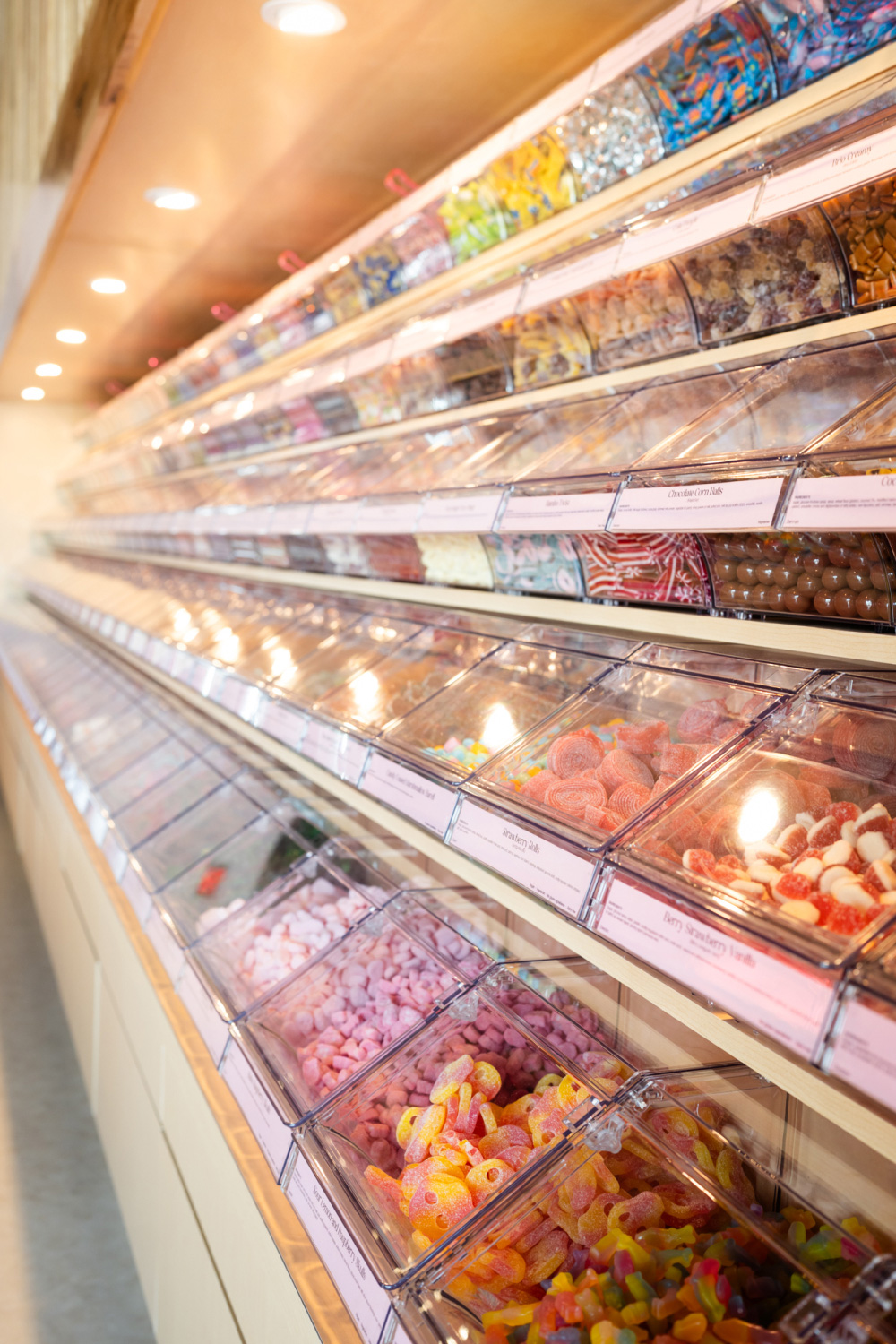
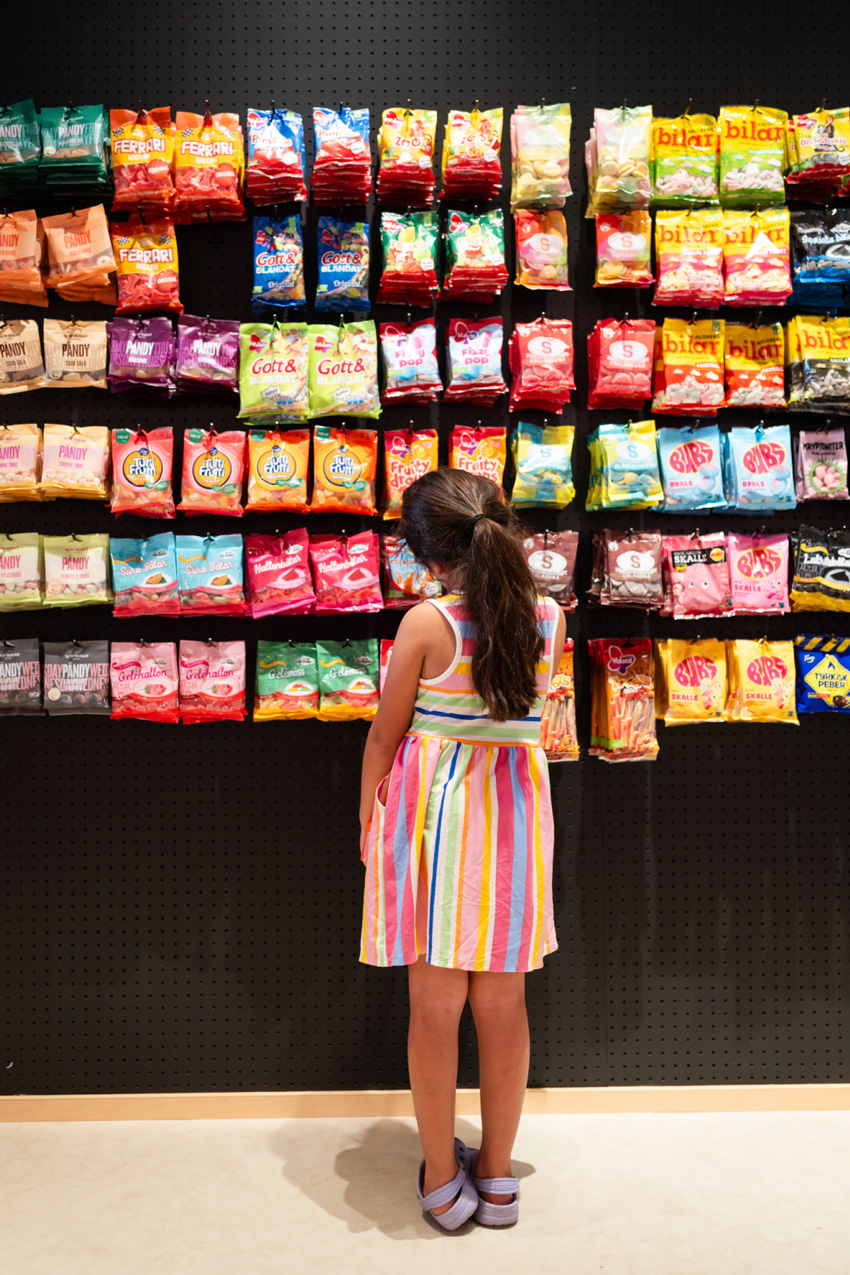
No stranger to drumsticks, former drummer and music producer Lukas Nathanson, also known as Lukas Got Lucky, along with wife Crimson Nathanson, a former opera singer, bridged the sweetness of music into a business about candy. The pair had already teamed up to run an indie record label called White Clover Records before opening Swedish Candy Culture on West Vickery in August, bringing Swedish goodness and traditions and bursting with more than 200 varieties of imported pick-and-mix candies, chocolates, and licorice. The pick-and-mix strategy is the norm in Sweden, allowing for variety and open-minded tastes to develop.
Lukas, from a small town outside Stockholm, moved to Los Angeles to grow his discography by writing and producing music under the name Lukas Got Lucky, and he has earned several Swedish Grammy nominations and has collaborated with multi-genre artists like Justin Bieber, Akon, Prince Royce, and Natalia Jimenez. Lukas mixed and mashed up Afrobeat, Latin, and house musics to create his own sound.
Not long after meeting, Lukas and Crimson moved to Nashville for a short time before heading to Sweden in 2016. Their two children were born there, and a new layer of love for the traditions and culture of candy formed. Swedish treats like salty licorice were a staple of life.
After about five years, Lukas and Crimson moved back to the states, and the natural choice to land was Fort Worth to be near Crimson’s family. The couple always brought candy. The more local visits they made during their five-year stay in Sweden, the more candy requests they had from friends and family. A new tradition had begun, one that felt connected to an old one.
“We would just bring back suitcases full of candy and hand it out, thinking this is already turning into a business,” Lukas said. “Might as well just do it.”
Lukas and Crimson remixed their original idea of owning and running a bakery or cafe into a candy store.
Tracy Autem
In Sweden, children are limited to candy only on Saturdays to reduce sugar intake. This tradition, lördagsgodis, means “Saturday sweets” and has been upheld since the 1950s, making Saturday the most important day of the week for lots of kids. Along with lördagsgodis, the candy imported from Sweden is free of unhealthy ingredients banned in Europe and leaves less of a sugar hangover, making them delicious for adults, too.
Swedish products are held to different standards than in the United States. Swedish candy contains no Red 40 or high-fructose corn syrup, only natural dyes and real sugar, making the candies more accessible for those with dietary restrictions. Most are halal and gluten-free, and even though it is candy, it’s healthier than normal.
Known as “salty black gold,” the famous salted black licorice is a Swedish tradition. The palpable salty flavor is meant to neutralize the strength of the strong black licorice. Salted licorice, or salmiak, was partly sold as medicine in the early 1900s in the region. Ammonium chloride went into licorice cough medicines and somehow ended up developing the tongue-tingling treat that has endured for over a century.
Like salmiak’s bold taste, the Nathansons have more potent ideas in the making. This month, Swedish Candy Culture will feature Halloween-themed experiences in the back of the store and a booming supply of skull candy, something of a Swedish tradition.
What the Nathansons enjoy most is the mischievous adventurousness that candy brings out in people. Kids and adults alike come to Swedish Candy Culture, buy a bucket of candy, and discover their favorites one week and return the next week for a new mix, Lukas said. With a stock of 200 different bins of candy at all times, each visit makes for a new mixtape of sugary goodness.