

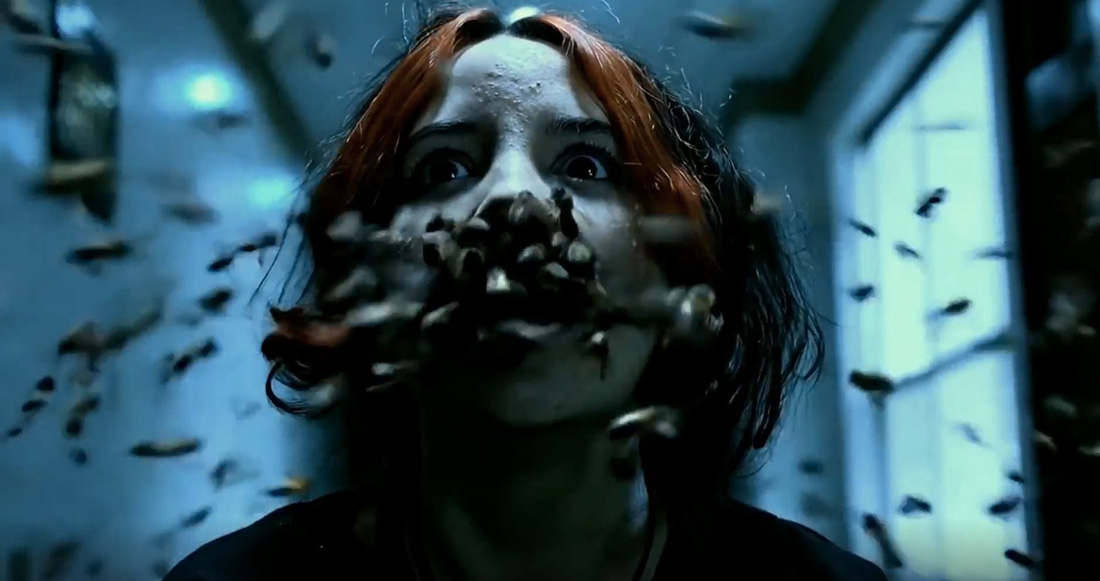
AI’s explosion into the film industry has both alarmed current filmmakers and excited prospective ones. The fear is that AI will replace crew and actors, amplified by the appearance of Tilly Norwood, the first AI actor. It is here to stay, but perhaps there are more benefits to befriending AI in film than have been speculated.
AI opens the possibility to smaller projects of looking like big-budget films, allowing new creators to break into the field and play it. Filmmaker and professor John Darbonne (Devil’s Elbow, Companion), who teaches largely minority students, said, “For a hundred years, money decided who got to make movies: cameras, stages, VFX houses. AI is breaking that down.”
Access to a greater variety of voices is an unexpected perk.

Darbonne taught the first for-credit AI filmmaking course in Texas in spring 2025 at Texas A&M-Corpus Christi. “Educators need to know what they are arguing against, which means they have to work to validate concerns.”
Others are jumping onboard to tame the beast. The North Texas Film Alliance recently said they are developing AI workshops for film, establishing an AI Film and Media Showcase, and helping create an ethical culture that respects artist consent and rights.
AI will not eliminate the film industry, but the shakeup is coming. While the amount of slop that will emerge will be mountainous, films that stand out will be story-driven, putting the power back into the hands of screenwriters, Darbonne said. With all the recent studio slop — remakes, sequels, and spinoffs —audiences may be encouraged by untouched storylines.
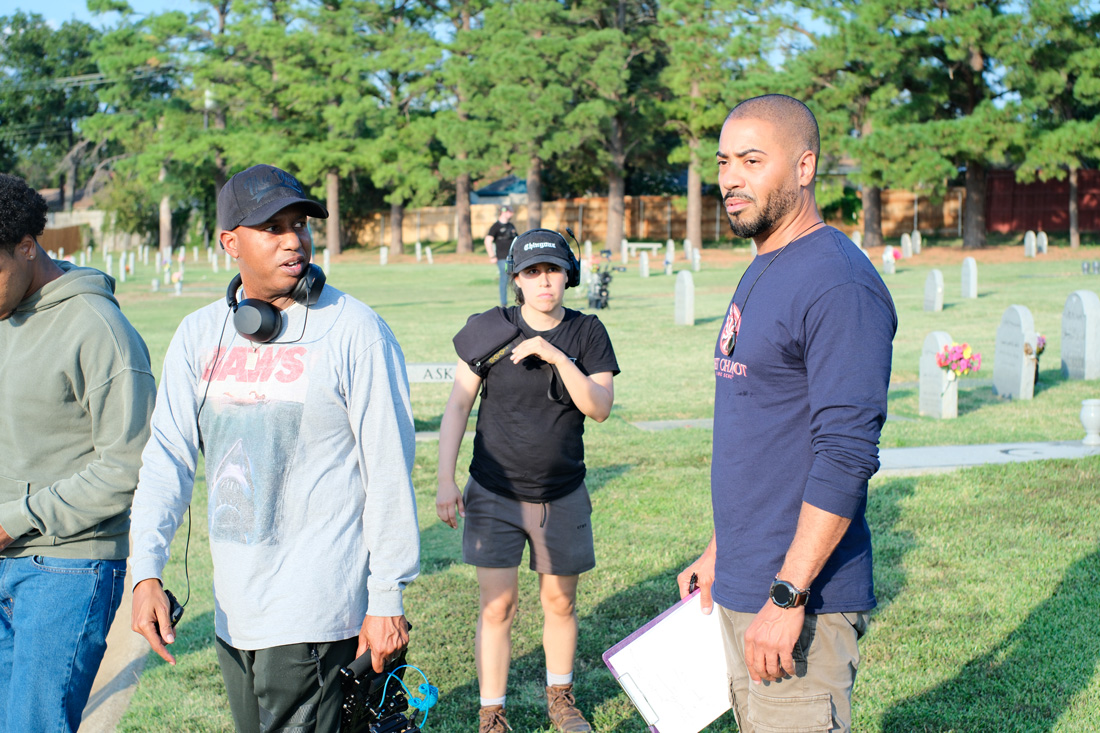
Matthew Adams
Drawbacks like subscription fees and relentless hours of prompt-correction reflect the current stage of development. AI cannot do everything. Filmmakers’ knowledge of the craft is what guides the tools. The process is time-consuming, Darbonne added, with meticulous tweaks for consistency.
The future of film may be a hybrid model, with human talent in front of the screen and with backgrounds and other worlds created by AI, so, essentially, real actors in augmented worlds. Darbonne insists that future filmmakers will need to be able to design workflows and learn to use 3D and real-time engines like Blender, ComfyUI, and especially Unreal Engine.
“Now, you don’t even need a cast or crew with the use of AI,” said Arlington director, producer, and writer Arthur Muhammad (Surviving Sasha, Carter High). “For me, that defeats the purpose of filmmaking and storytelling because it is a collaborative medium.”
Courtesy Bart Weiss
Muhammad has used AI to refine but not create ideas. “Personally, I believe creativity should come from the artist. … AI images seem so soulless, and I guess that’s because they are. The arts are in the humanities, because it’s the human element that gives them resonance. Removing people altogether from the process seems inhumane.”
The U.S. Bureau of Labor Statistics’ current employment statistics say the industry is being tested. Over the last couple of years, job losses are condensing film, with cuts of approximately 50,000 jobs between late 2025 and 2026 in film and sound.
But North Texas seems to be immune to the effects so far. Recent state film incentives have boosted hundreds of productions in the area, according to the Fort Worth and Dallas film commissions, a surge in recent years since the pandemic.
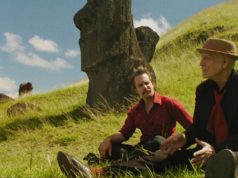
Bart Weiss (Rolling Film, Rocking History: Al Maysles Captures the Beatles, Frame of Mind), film innovator and founder of Dallas VideoFest, has a friendly relationship with AI. When he first established VideoFest in 1986, he said, many filmmakers were reluctant to shoot on video, insisting the superiority of film, parallel to the pushback against AI filmmaking today.
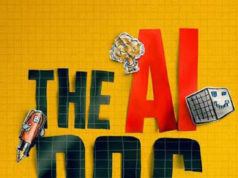
Weiss is planning an AI film festival for May 2027. Although details are pending, the festival should span two nights and one day at the Angelika Film Center in Dallas, featuring an AI ethics panel, where he anticipates getting a little hate. But Weiss, who recently observed an AI fest in Austin, is undeterred. He thinks opinions on AI may change once people see what good AI looks like.
Weiss admits some jobs will die but that new ones will be born. We must continue to learn and adapt, he said, expressing our right to use AI or not. “We have to allow ourselves to play and give ourselves permission to fail.”