


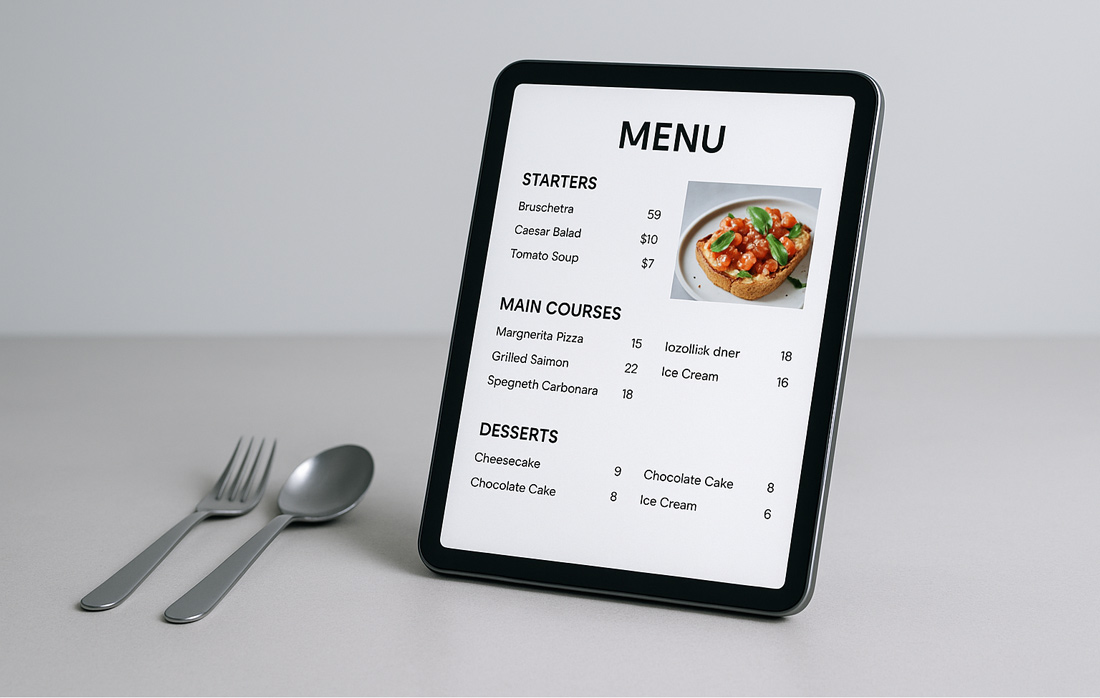
Restaurants in Fort Worth are redefining the dining experience through the integration of advanced technology. These changes cater to evolving consumer demands while enhancing service efficiency. This transformation is crucial for maintaining competitiveness in the vibrant culinary landscape.
In recent years, the dining scene has undergone significant changes, driven by technological advancements. Local eateries are increasingly adopting digital tools to streamline operations and enhance customer experiences. The implementation of systems such as online ordering pos is reshaping the way restaurants operate. This shift not only meets the changing expectations of diners but also ensures reliable and efficient service.
Digital tools improve restaurant operations

The integration of digital tools in local eateries has become a hallmark of modern dining. These technologies range from sophisticated point-of-sale systems to intuitive mobile applications, all designed to enhance the efficiency of service delivery. By leveraging these tools, restaurants can manage orders more effectively, reduce wait times, and improve overall customer satisfaction. The seamless operation facilitated by technology enables staff to focus on providing quality service without being bogged down by administrative tasks.
Restaurants are also utilizing data analytics to better understand consumer preferences and trends. By analyzing patterns such as peak dining times and popular menu items, eateries can optimize their operations to cater to customer needs more precisely. This data-driven approach allows for more informed decision-making, helping restaurants tailor their offerings to match consumer expectations. The integration of these technologies not only boosts operational efficiency but also fosters a more personalized dining experience for guests.
Furthermore, embracing these innovations helps eateries stay competitive in a dynamic industry. As consumers increasingly expect convenience and speed, the adoption of digital solutions becomes crucial. Restaurants that invest in technology find themselves better positioned to attract tech-savvy patrons who prioritize efficiency and seamless service.
Benefits of technology for customer experience
The implementation of advanced solutions offers numerous benefits for both restaurant operators and their customers. Streamlined service processes lead to shorter wait times and enhanced order accuracy, contributing to higher levels of customer satisfaction. Patrons enjoy a smoother dining experience when they can easily place orders through user-friendly interfaces or mobile apps without unnecessary delays.
These technological advancements also allow for greater flexibility in how customers interact with restaurants. Whether through online reservations or contactless payment options, diners have more control over their dining experiences. This flexibility is particularly appealing in today’s fast-paced society where convenience often dictates consumer choices.
Moreover, the use of innovative technology helps build stronger relationships between restaurants and their customers. Personalized marketing efforts based on data insights enable eateries to engage with patrons more effectively, offering promotions and recommendations that resonate with individual preferences. As a result, customers feel valued and appreciated, increasing their likelihood of returning for future visits.
Technology meets evolving consumer demands
The role of technology in meeting evolving consumer demands cannot be overstated. As diners become increasingly accustomed to digital interactions in various aspects of their lives, they expect similar convenience when dining out. Restaurants that embrace technology are better equipped to meet these expectations and provide memorable experiences for their guests.
One notable example is the ability for customers to order ahead using mobile apps or websites, reducing wait times upon arrival at the restaurant. This feature not only enhances convenience but also allows restaurants to manage their workflow more efficiently by preparing orders in advance. Additionally, digital loyalty programs incentivize repeat visits by offering rewards tailored specifically for individual preferences based on past behavior.
This trend towards digitization reflects broader shifts in consumer behavior where ease-of-use and personalization are highly valued attributes. By adopting these technologies, restaurants can maintain relevance amidst changing market dynamics while ensuring they remain top-of-mind among discerning diners seeking exceptional experiences.