


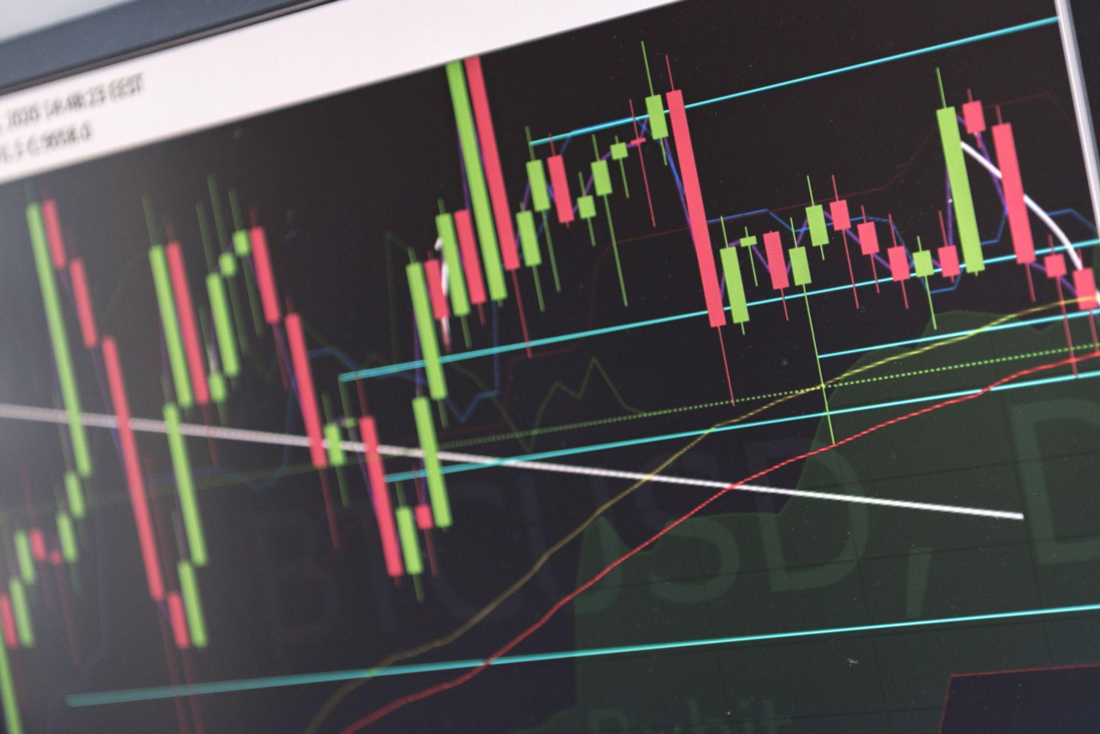
Prediction markets give people a way to respond to future events through market prices. Instead of only reading forecasts or opinions, participants can buy and sell contracts tied to specific outcomes. These outcomes may involve sports, politics, entertainment, finance, business, technology, culture, or public events. The central idea is simple. A market price reflects how likely participants believe an event is to happen.
For beginners, prediction markets can feel unfamiliar at first. The format uses terms like contracts, prices, liquidity, and probability. Still, the basic process is easy to understand once each part is broken down. This guide explains how prediction markets work, how to read prices, and how new participants can build a clear approach before getting started.
What Prediction Markets Do

Prediction markets turn future events into tradable contracts. Each contract is connected to a specific outcome, such as whether a candidate will win an election, whether a film will receive an award, or whether a company will reach a public milestone.
The price of the contract moves as participants react to new information. If more people believe an outcome is likely, the price may rise. If confidence falls, the price may decline.
This makes prediction markets different from simple polls or expert forecasts. A poll measures stated opinions. A forecast explains a likely scenario. A prediction market shows how participants are pricing an outcome in real time.
That market price can be useful because it combines many views into one visible number. Beginners should see prediction markets as a way to follow changing expectations, not just final outcomes.
How Market Prices Work
Market prices sit at the heart of prediction markets, reflecting the crowd’s collective expectations about future events. A contract trading at 60 cents typically implies about a 60% chance the outcome will occur, while one at 25 cents signals a much lower probability.
Many beginners choose to trade on prediction markets by comparing their own view with the current market price. If they believe an outcome is more likely than the price suggests, they may decide the contract is undervalued.
This requires more than guessing. Strong decisions come from reviewing information, following updates, and understanding why prices move. The goal is to read the market clearly. Prices can change quickly when new facts appear, so participants should pay attention to timing, context, and the quality of information behind each move.
Choosing Your First Markets
Beginners should start with topics they already understand. Familiarity makes it easier to judge whether a market price seems reasonable. A person who follows technology news may feel more comfortable with markets about product launches, company announcements, or regulatory decisions. Someone who follows entertainment may prefer awards, release dates, or cultural events.
Clear markets are usually better for beginners. A good market has a specific question, a defined outcome, and a clear settlement process. Vague questions can create confusion because participants may not agree on what counts as a correct result. It also helps to look for markets with active participation. More activity can make prices easier to interpret and positions easier to manage.
Starting small in a familiar category allows beginners to learn the structure without feeling overwhelmed. Once they understand the process, they can explore broader topics with more confidence.
Building a Smart Approach
A smart approach begins with research. Before entering a market, participants should understand the event, the timeline, and the information that may affect the outcome.
Useful research may include official announcements, public data, reputable news coverage, expert commentary, and historical patterns. The strongest decisions often come from combining several sources rather than relying on one headline.
It is also helpful to write down the reason for each decision. A simple note can include the market, entry price, expected outcome, and key information behind the choice. This habit creates a record that can be reviewed later.
Over time, participants learn which markets they read well and where their instincts tend to fall short. It becomes a process of refining judgment, prediction markets tend to reward sharp, disciplined thinking. Beginners should avoid reacting to every price movement and instead focus on whether new information truly changes the outlook.
Learning From Market Movement
Market movement can teach beginners how expectations change. Prices often move in response to major announcements, public statements, data releases, or unexpected events. Tracking those shifts helps participants see which kinds of information actually change expectations, and which barely move the needle. Some updates may cause a quick reaction, while others may have little effect because the market already expected them.
This is one reason prediction markets can be useful even for people who are still learning. They show how groups process information in real time. Beginners can compare market movement with their own expectations. If a price moves sharply, they can ask what changed and whether the reaction seems reasonable.
Another useful habit is looking at how market expectations change over time. Comparing price movements across days, weeks, or months can reveal trends that are not obvious from a single moment.
This broader view helps participants understand how confidence develops around an outcome and why certain events have a larger impact than others. It can also highlight the gap between new information that moves the market and expectations that were already priced in, showing what truly comes as a surprise versus what participants had already accounted for.
Over time, this process builds stronger judgment. Participants learn to separate meaningful signals from noise and become more comfortable reading probability through price. The more carefully someone studies market movement, the easier it becomes to understand how prediction markets reflect public expectations.
Turning Curiosity Into Clear Decisions
Prediction markets can make future events easier to follow and analyze. They give participants a structured way to compare information, read public expectations, and respond to changing developments. For beginners, the best path is simple. Start with familiar topics, learn how prices reflect probability, choose clear markets, and keep track of decisions.
The value of prediction markets comes from disciplined thinking. Each market asks participants to form a view, compare it with the current price, and decide whether the difference matters. With time and practice, newcomers can move from basic curiosity to more confident participation.