


Frisco has become one of North Texas’s fastest-growing cities, drawing new residents with its schools, job opportunities, and expanding neighborhoods. New subdivisions seem to appear overnight, along with shopping centers, roads, and office spaces that reshape the landscape year after year. While this growth brings convenience and opportunity, it also changes the natural balance between people and the environment.
As open land is cleared and construction moves closer to established neighborhoods, insects and animals are forced to adapt. Many of them do so by moving indoors, where food, water, and shelter are easier to find. This is why more homeowners are noticing unusual or persistent pest activity and beginning to explore options like Frisco pest control services as part of regular home care, rather than as a last resort.
Frisco’s Expansion Is Reshaping the Local Ecosystem

Rapid development does more than add rooftops to the skyline—it alters how wildlife survives. When fields and wooded areas disappear, pests lose their natural habitats and search for new places to settle. Residential areas often become the most convenient option.
The disruption caused by construction doesn’t happen once; it continues as neighborhoods expand. Each new phase of development pushes insects and rodents farther into surrounding homes, making pest activity feel like an ongoing issue rather than a seasonal one.
New Construction Creates New Pest Pathways
Land clearing forces pests to relocate. When trees, brush, and soil are disturbed, ants, rodents, and termites lose nesting areas. They often move toward nearby homes where conditions are more stable. This relocation happens quickly, sometimes before homeowners even realize construction has begun nearby.
Open foundations and materials attract insects. Lumber, exposed soil, and moisture around construction sites create ideal conditions for pests. These areas act as temporary shelters that allow infestations to grow before spreading outward.
Underground networks remain active. Utility trenches and drainage systems give pests hidden pathways into residential areas. Once these routes exist, pests can move between properties without being easily noticed.
Common Pests Becoming More Active in Frisco Homes
As Frisco grows, certain pests are showing up more frequently than others. These species tend to thrive in urban environments where development provides consistent resources. Understanding which pests are most common can help homeowners recognize problems earlier.
Many of these pests are not new to the area, but the scale and persistence of activity have increased. What used to be an occasional issue has become a recurring concern for many neighborhoods.
Ants and Roaches Thrive in New Neighborhoods
Ants are especially drawn to new developments because of disturbed soil and fresh landscaping. Once inside a home, they can be difficult to eliminate since colonies often extend far beyond visible trails.
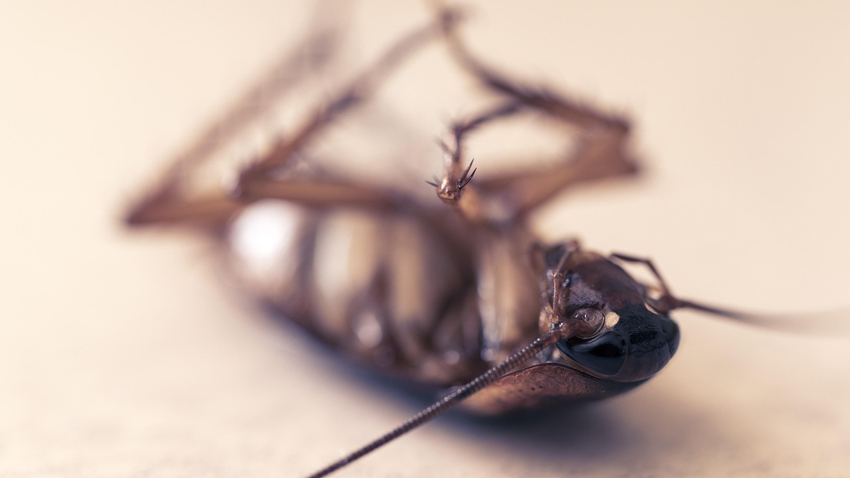
Roaches benefit from increased moisture and food sources found in densely populated areas. Even clean homes can experience problems, as roaches often enter through shared walls, drains, or small exterior gaps.
Rodents Follow Development Patterns
Mice and rats are highly adaptable and follow construction activity closely. When heavy machinery disrupts their burrows, they seek shelter in garages, attics, and wall cavities.
Beyond being a nuisance, rodents can damage wiring and insulation. Their presence often goes unnoticed until scratching sounds or droppings appear, which usually indicates a larger issue.
Termites Love Fresh Builds
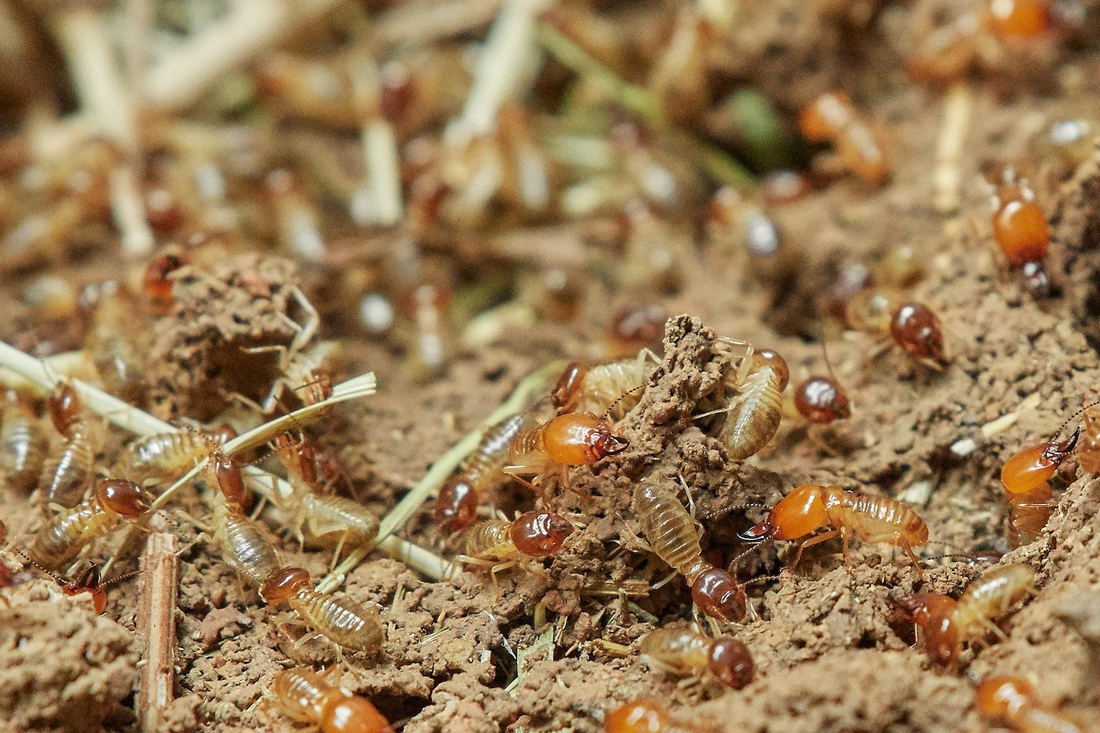
New homes are not immune to termites, even with modern building standards. Fresh wood and soil contact create attractive conditions for termite colonies looking to expand.
Many homeowners assume termites are only a concern for older properties. In reality, early infestations in newer homes can remain hidden until noticeable damage has already occurred.
Why Growth Makes Pest Problems Harder to Control
Urban expansion changes how pests behave and how difficult they are to manage. Higher population density and continuous construction create ideal conditions for infestations to spread. This makes pest control more complex than it was in smaller, less-developed communities.
In growing cities like Frisco, pest activity often increases faster than awareness. By the time homeowners recognize a pattern, pests may already be well established in the area.
Increased Density Encourages Spread
Homes are built closer together. Pests can move easily from one property to another without crossing large open spaces. This allows infestations to spread through entire neighborhoods.
Shared infrastructure creates access points. Drainage systems, utility lines, and fencing can connect multiple homes. Once pests enter these shared pathways, they can be difficult to contain.
More food sources support larger populations. With more households comes more waste, pet food, and outdoor eating areas. These resources allow pest populations to grow faster than before.
Weather and Urban Heat Effects
Frisco’s climate already supports long pest seasons, and urban development intensifies this effect. Concrete, asphalt, and buildings trap heat, creating warmer microclimates where pests remain active longer.
Milder winters mean fewer natural population controls. As a result, insects and rodents can reproduce earlier and survive later into the year, increasing overall activity.
Signs Your Home May Be Affected
Pest problems often start quietly before becoming obvious. Recognizing early warning signs can help prevent more serious issues. Many homeowners overlook these signals until damage or discomfort becomes unavoidable.
Unusual sounds in walls or ceilings, especially at night, may indicate rodents. Small droppings, chewed materials, or grease marks along baseboards are also common indicators of activity.
Insects may appear around windows, doors, or sinks where moisture is present. Warped wood, hollow-sounding beams, or discarded wings near windows can point to termite activity that should not be ignored.
Preventive Steps Homeowners Can Take
Preventing pests is often easier than dealing with a full infestation. In fast-growing areas, prevention requires consistency and awareness rather than drastic measures. Small habits can make a noticeable difference over time.
These steps don’t eliminate all risk, but they can reduce how attractive a home is to pests. In a city like Frisco, prevention is an ongoing process rather than a one-time fix.
Simple Habits That Reduce Risk
Seal entry points regularly. Small cracks around doors, windows, and foundations provide easy access for pests. Checking and sealing these areas helps limit entry opportunities.
Control moisture indoors and outdoors. Leaky pipes, clogged gutters, and poor drainage attract insects. Keeping moisture under control removes one of the main reasons pests move inside.
Store food and waste carefully. Tightly sealed containers and regular trash removal reduce food availability. This discourages pests from settling in or returning repeatedly.
Why Prevention Matters More in Growing Cities
As development continues, pest pressure rarely stays the same. A home that was pest-free last year may face new risks as nearby land is developed.
Regular monitoring and early action help homeowners stay ahead of changes in their surroundings. Prevention becomes part of adapting to a growing city rather than reacting to problems after they appear.
Living Comfortably in a City That Keeps Growing
Frisco’s growth brings energy, opportunity, and a sense of progress that many residents value. At the same time, it creates new challenges that come with living in a rapidly changing environment. Pest activity is one of those challenges that often goes unnoticed until it affects daily life.
By understanding how growth influences pest behavior and recognizing early signs, homeowners can make informed decisions about protecting their spaces. Staying proactive allows residents to enjoy everything Frisco offers while keeping their homes comfortable, safe, and resilient as the city continues to expand.