



The idea of representative democracy is understood to be that voters elect representatives to the legislature or councils with lawmaking authority. The representatives are there to represent their constituents and work together to achieve acceptable consensus or compromise. If it were so simple! The quality of elections in terms of the candidate choices and issues that are debated is such an important aspect of democracy.
The rule for elections in Texas is that the elected candidate is the one who receives the most votes — a majority is not required, only a plurality. This is called the first past the post system. The first past the post system produces a two-party duopoly structure, as the electoral competition is solely for the most votes. The political issues are reduced to whether or not a voter supports one politician. Are you a member of the red cult, the blue cult, or independent? Is who more important than what, or is what more important than who?

The fallacy of the two-party system is that both parties inevitably come under the influence of the same elite interests, leading to a failure of checks and balances as described by Polybius in ancient Greece. Then the two parties, serving the same elites, will pursue very similar policy agendas, with the main difference being wedge issues in marketing and public relations. Voting is either by party identity or your choice of which party is less bad.
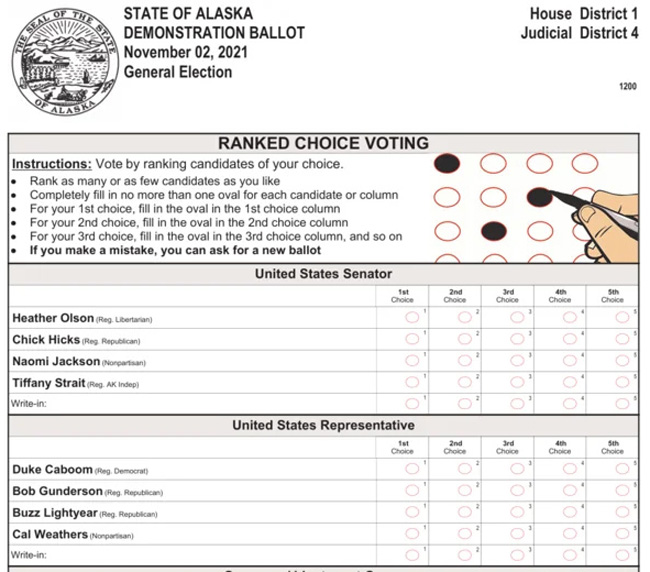 There is no perfect design of electoral systems, but there are better choices than the first-past-the-post system. The ranked choice voting system allows voters to select candidates in order of preference and the elected candidate will have a majority preference score. The candidate incentive in ranked choice voting is for first or second preference. This causes candidates to widen their campaign appeals and gives an opportunity for third-party and independent candidates to advocate for issues that would otherwise be ignored. In a ranked-choice voting system, you can vote for the candidate that appeals to you most and know that your preference vote is also part of other candidates’ results. The candidates have a reason to care.
Another major loss of voter power occurs through gerrymandering. The drawing of electoral district lines is used to predetermine the election outcome. Essentially, politicians choose the voters rather than voters choosing the politicians. Partisans of the duopoly parties may love or hate the gerrymandered district map, but they now can be taken for granted and lose influence with their party and elected officials.
Gerrymandering results in more extreme and divisive politics because the party primary election becomes the meaningful election for candidates. This places the emphasis on zealotry and more extreme positions because it is the zealous and extreme voters who can be counted on to vote in the primary election. If this extremism sufficiently upsets the voters, there may be a “flip” to the other party, and gerrymandering will then be used to secure a new face of the duopoly.
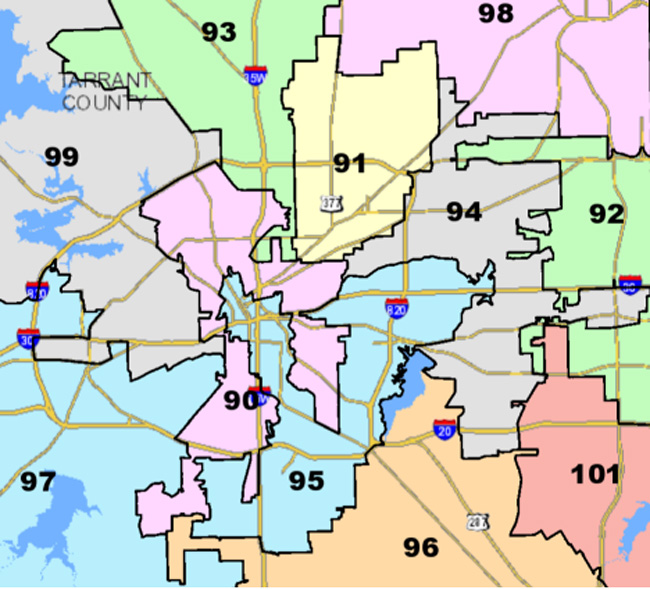 “Today, intricate computer algorithms and detailed data about voters’ political preferences and behavior allow map drawers to draw districts with surgical precision.” — Gerrymandering Explained
The remedies for gerrymandering are a non-partisan electoral district commission and rules for the shape of districts. Just as detailed voter data allows highly partisan district maps, this data could also be used to draw maps reflecting voter characteristics and ensuring competitive electoral districts. In Texas, these remedies would require an amendment to the state constitution that creates a non-partisan redistricting commission and includes district shape and other requirements for electoral districts.
To achieve these reforms of the electoral process, the voters must vote for third-party candidates because neither duopoly party has any incentive to change the system, but third-party candidates do have this incentive. Power concedes nothing without a demand. The voters get what must be given, not necessarily what they want or need. Restoring voter power will produce a better society because then politicians must better understand voters and deliver better results. By choosing third-party candidates in elections, the voters will effectively demand electoral reform.
The power of voters has been steadily eroded over the years. It is time to do something about that.
Regards,
Kevin McCormick

Kevin McCormick (Green Party) is running for election for Lieutenant Governor of Texas. He is on the ballot in the general election on November 3, 2026. This letter reflects the opinions of the author and not the Fort Worth Weekly.