


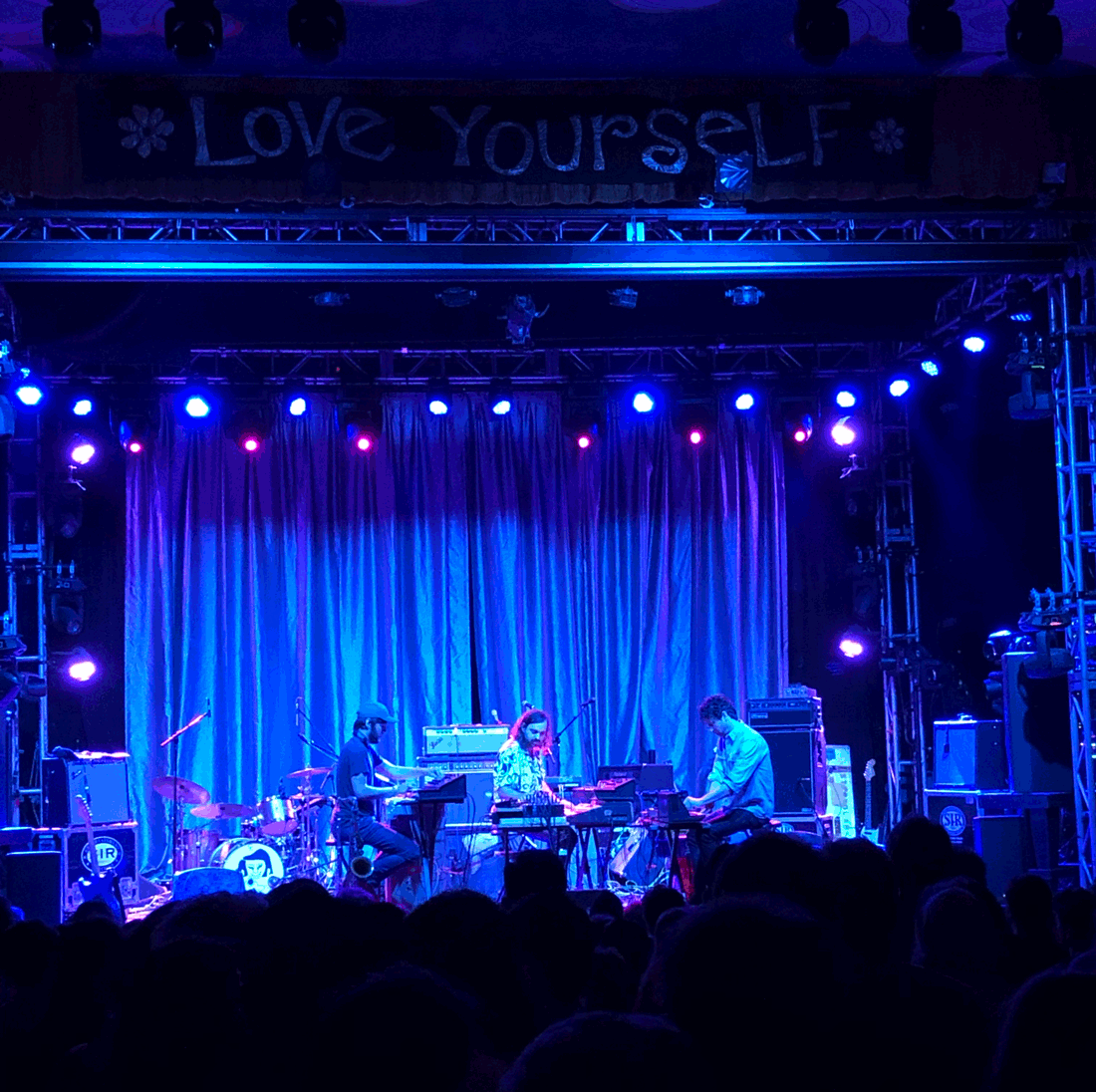
A regular at my Monday happy-hour bartending shift asked me if I had thoughts on the recent sale of the Granada Theater in Dallas to Bathhouse, a New York-based chain of wellness centers with six locations in NYC, Philadelphia, and Chicago. I said something to the effect that when I heard the news the previous Friday (from a different regular), my jaw fell open in disbelief, then shut a few seconds later out of total belief. That a huge 80-year-old building that’s been a concert venue for the last 22 years has been sold and will be remodeled to house an entirely different concept is indeed totally credible, because concerts don’t make money like they used to, never mind all the hassles that come with keeping such a business model in the black. That Granada owners Mike Shroder and Julia Garton kept it going for this long — through and beyond the pandemic and despite the lessons learned about the major music-industry changes from operating a CD store — is a testament to their belief in the value of music as an artform and the community that forms around it.
So, my thoughts on it: I am not surprised, but I am disappointed and dismayed. I love live music, and having both performed with and watched bands at the Granada Theater, I think its closure is absolutely detrimental to North Texas’ cultural milieu. I can certainly appreciate that Shroder and Garton are finally moving on, having declined plenty of other offers to sell over the years, mainly to keep the building from destruction. I think that is admirable, and Bathhouse is supposed to keep the marquee and façade intact, only remodeling the interior to suit the spa’s needs. I’m glad Shroder and Garton are going to make some money and enjoy the rest of their lives, but there’s this one quote in the Granada’s Facebook announcement that left me a little piqued: “Bathhouse will bring people together through wellness, relaxation, and connection, different experiences but the same spirit of community.”
Call me a cynic, but a full-service spa and a concert venue do not produce the same energy. The community that developed among thousands of live music fans, the venue’s staff, and yourselves cannot be reproduced — even in spirit — by a spa. And aren’t there already enough wellness centers? I held my nose and looked via Google AI. The prompt “What is the exact number of wellness businesses within one mile of Granada Theater” returned with, “Within a strict 1-mile radius of the Granada Theater, there are approximately 12 to 15 businesses currently operating in the wellness, spa, and holistic health space.”

So, yes, there are indeed enough wellness centers already. Also, I don’t want to speak for anyone else, but when I hear the words “wellness center,” I don’t think of “community” and certainly not the kinds of communities assembled to see any band I’ve ever seen at Granada. I think of “arrive, rejuvenate, go home.” It’s not that your average Sleep or Stereolab fan doesn’t appreciate a salt scrub or a sauna. It’s more that “concert venue,” with its broader range of offerings and events, appeals to diversity, to multiple points of view, and to all those people being in the same room together while having a positive, emotional experience. This is not to say I haven’t had that in a yoga class. It’s more my disgruntled way of saying I’m not sorry for preferring the building’s current purpose to the one that looms ahead. After all, who goes to a wellness experience — even when it’s a yoga class — to interact with other people? Maybe the old men who like to sit around in saunas, but if we’re being honest, most people enter wellness spaces to treat themselves to self-care. While engaging with live music can have a similar effect on your brain as meditation or a massage, a concert is best enjoyed in the company of others. For all the rock stars that have traipsed across the Granada’s stage, nothing sounds as solipsistic — certainly not in the quickened, enshittified, social stratification endemic to contemporary times — as the people who are stoked to have another spot to focus on themselves. But also, the mantra painted above the stage in a goofy, amiable font reads, “Love Yourself.” I suppose Bathhouse will more easily realize that aspiration, to build a community of people most interested in loving themselves.