


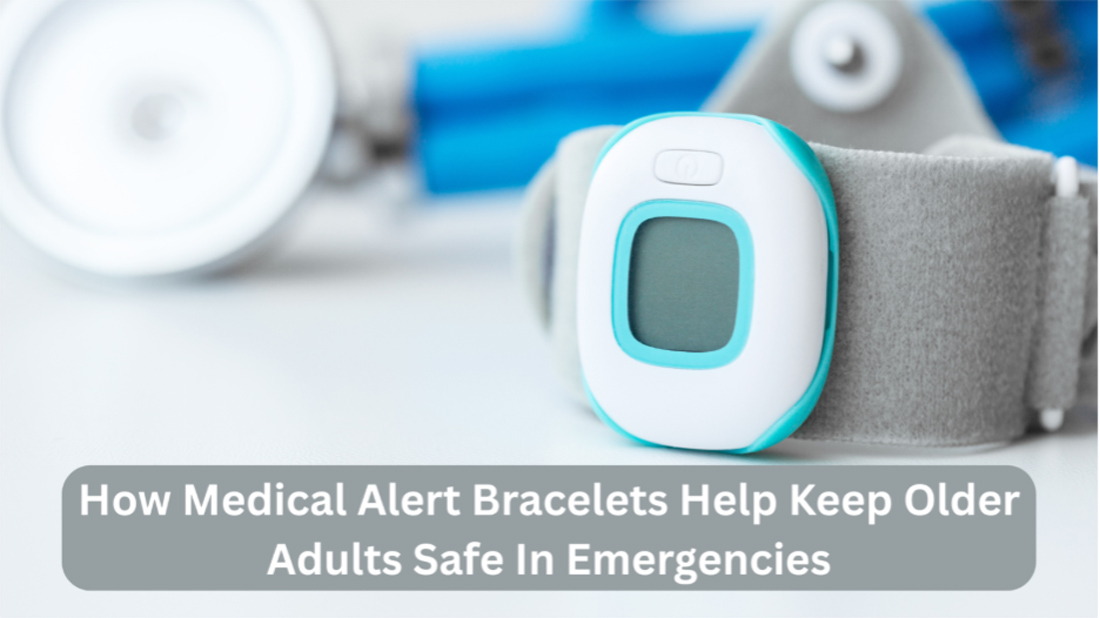
Being the caregiver or a loved one to an aging parent can be an experience full of silent concerns. You might wonder what would happen in the event of a fall with no one around, or if they faced an unexpected health problem. Such situations can be stressful for both families and the elderly.
Medical alert bracelets bridge the gap. They provide a fast and dependable means of summoning assistance in an emergency, reassurance to the elderly, and tranquillity for families. Here you will learn how these bracelets work, why they are becoming increasingly critical for emergency safety, and what to consider when purchasing one that suits your daily life.

Why Medical Alert Bracelets Matter For Everyday Safety

The breaking point comes to most families when mobility is altered, or when chronic conditions start to alter their habits. At this stage, medical alert bracelets help provide immediate access to trained professionals. For example, when exploring options for seniors who live alone, families often consider a Life Assure medical alert bracelet for older adults, supported by the statistics of response times and home safety studies.
To see the relevance of the bracelets, it is worth looking at an old man who is dizzy in the garden or falls in the bathroom, where phones are locked away. As per CDC data on falls among adults aged 65 and older, the delay in emergency care can significantly increase complications and recovery duration. Bracelets bridge that gap by offering fast, simple ways to signal for help even when mobility is impaired.
Moreover, bracelets can be especially useful with regard to older patients who have diabetes, heart disease, or mental disabilities. The immediate presence of the responders can at times assist in the containment of health incidents before they escalate into a crisis. In other words, medical alert bracelets offer both practical protection and emotional reassurance.
How Medical Alert Bracelets Work During Emergencies
The current medical alert bracelet combines simplicity with technology. Most solutions involve discrete buttons that are connected to a response center. When pressed, trained professionals evaluate the situation, contact family, or dispatch emergency services. Since bracelets stay on the wrist, they remain accessible day and night, an essential advantage in unpredictable scenarios.
Moreover, most of the bracelets have fall detection, GPS outdoor use, and two-way communication capabilities. An example is falling detection, which uses motion sensors to detect sudden impact and subsequent inactivity. When triggered, the device automatically sends an alert even if the wearer can’t press a button. This function has become especially helpful for individuals recovering from surgeries or living with balance issues.
There are some devices that store critical medical information, such as allergies, medications, and chronic diagnoses. This information can be accessed by emergency responders instantly, and thus, they can make decisions faster and more safely. This efficiency becomes even more important when older adults may be unable to speak during an emergency.
Advantages Of Wearing Medical Alert Bracelets
Medical alert bracelets provide multiple benefits that enable older adults to live independently but stay in touch with help. A number of studies have indicated that the application of assistive technologies to support safety and health management, such as social alarms, fall detection gadgets, and medical alerts, can result in better outcomes among older adults in the community.
1. Online Assistance 24/7 T – The medical alert bracelets have a 24/7 response option, which means that help is just a button press away. This constant readiness reduces anxiety for seniors and caregivers alike.
2. Improved Confidence And Mobility – Most elderly people reduce their activities due to a fall or health-related incident. Bracelets help restore mobility by ensuring assistance is always within reach. Whether stepping outside for a walk or moving around the home, users feel safer engaging in daily routines.
3. Tailored Features For Health Conditions – Newer systems are more than mere emergency buttons, as devices such as heart monitors and prescription reminders can be found. These secondary functions support long-term health and minimize the risks of isolation.
4. Assistance with Memory Impairments – Families taking care of loved ones with Alzheimer’s or dementia usually prefer bracelets with GPS tracking. When used responsibly and with correct consent, location-enabled features can help caregivers respond quickly if wandering occurs.
Choosing Medical Alert Bracelets For Elder People
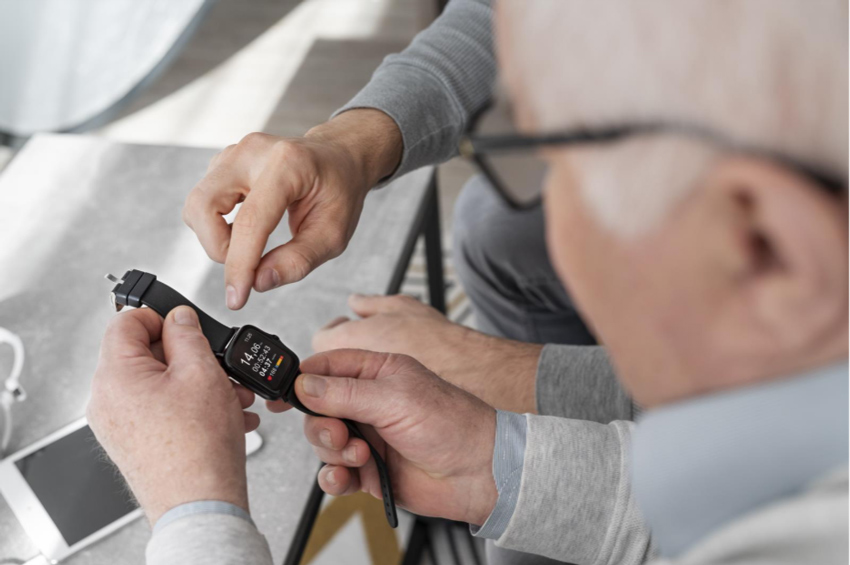
The choice of bracelet has to strike a balance between practicality and comfort. The following are critical aspects that should be taken into consideration:
1. Comfort and Wearability– A bracelet can only be useful when used regularly. Find lightweight with removable straps, soft fabrics, and waterproof that would be used day in, day out, like in the showers or in the gardens.
2. Monitoring Options– Depending on your way of life, you can either utilize home-based monitoring (through landlines or Wi-Fi) or mobile systems driven by cellular networks. Senior citizens who like going on a walk might find mobile solutions with GPS to have more advantages.
3. Response Center Quality– Find vendors who are certified and have a rapid average response time. Trusted centers typically display accreditation through organizations like TMA (The Monitoring Association).
4. Budget and Subscription Plans– Prices of bracelets differ across companies. Compare monthly monitoring fees, contract requirements, and any equipment charges. Some providers offer discounts for annual plans or caregiver add-ons.
5. Ease of Use– Select the system that has easy buttons, is easy to charge, and is easy to set up. The elderly like the use of equipment that does not need frequent technological adjustment.

Promoting Self-Sufficiency, Accident-Free Living
Medical alert bracelets establish a significant interconnection between self-reliance and safety. They enable the elderly people to be autonomous without compromising on safety. By offering fast access to trained responders and helpful health features, bracelets transform emergencies from moments of fear into manageable situations.
Families gain peace of mind knowing support arrives promptly. Older adults feel empowered to continue daily routines, whether living alone, with family, or in assisted environments. The medical alert bracelets are constant companions; quiet and steadfast, as people grow older with new problems that require their presence the most.