
As the World Cup comes to our backyard, AT&T Stadium will be its largest venue, hosting five matches in the group stage plus various other knockout games, including one of the semifinals. Prepare for large amounts of tourists from Argentina and Japan, since those countries will have two games apiece in Arlington. (North Texas will see the defending champs against Austria and Jordan, while Japan will take on the Netherlands and Sweden.) We’re covering 24 of the 48 teams here, and the other half will be along soon. Let’s dig in.
Group A
Co-host Mexico will have a significant homefield advantage playing in the high-altitude cauldrons of Mexico City and Zapopán. Coach Javier Aguirre has dealt with World Cup pressures before, and El Tricolor will lean heavily on the goal-scoring of AC Milan’s Santiago Giménez and Fulham’s Raúl Jiménez. South Korea’s best-known players are offensive ones, with team captain Son Heung-min and winger Lee Kang-in (a Champions League winner with Paris St.-Germain), but currently their best player is Kim Min-jae, the defensive stud who won the Italian league with Napoli and now mans the backline for Bayern Munich. South Africa has a distinct lack of star power, but Coach Hugo Broos has the Bafana Bafana playing cohesive team defense that qualified them ahead of more talented Nigeria. As for Czech Republic, they’re captained by experienced defender Ladislav Krejčí, but they sport offensive threats in Bundesliga leading scorer Patrik Schick and West Ham attacking midfielder Tomáš Souček.

Group B
The others in this group are breathing a sigh of relief that Italy failed to qualify, but don’t sell Bosnia-Herzegovina short. Striker Edin Džeko gets older but just keeps on scoring; Appleton, Wisconsin, native Esmir Bajraktarević scored the winning penalty that eliminated Italy; and defender Sead Kolašinac once tried to stomp two armed robbers to death on the streets of London, so he won’t be intimidated. Co-host Canada is coached by American Jesse Marsch, who swore he would never coach Team USA after the U.S. Soccer federation jerked him around before hiring Mauricio Pochettino. He likes to create chaos and cheap scoring opportunities by having forwards like Juventus’ Jonathan David press opposing defenders when they have the ball. Switzerland has one of the world’s best goalkeepers in Inter Milan’s Yann Sommer, and Bologna’s Remo Freuler provides some finesse to go with the brawn of midfield partner Granit Xhaka. After qualifying as a host country four years ago, Qatar reached this tournament on their own. Sudan-born Almoez Ali is only 29 and already the country’s all-time leading scorer by some distance, and Coach Julen Lopetegui used to be boss at Real Madrid.
Group C
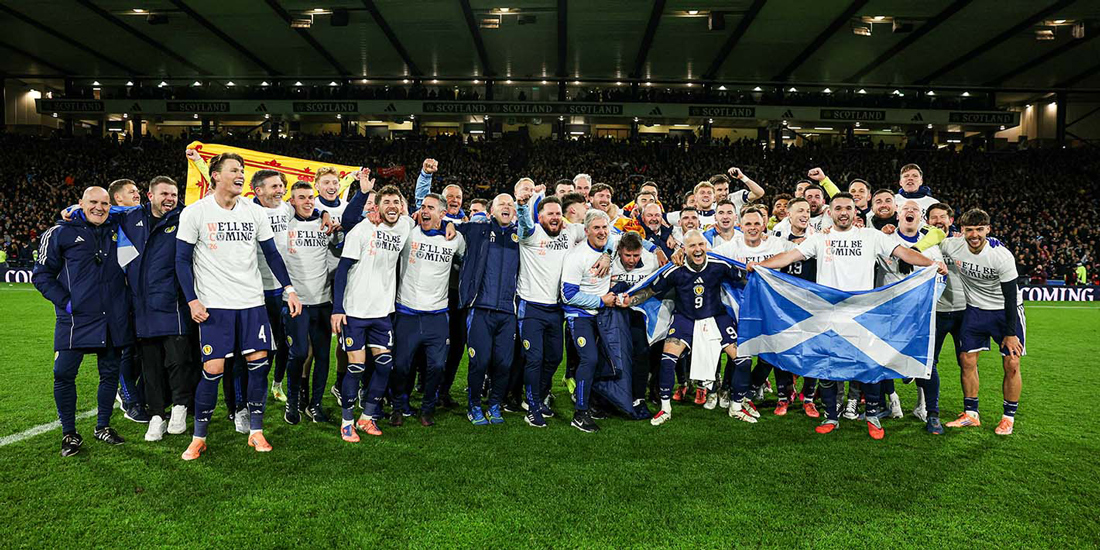
Brazil’s desperation to win led them to hire the first foreign coach in their history: Italian Carlo Ancelotti has a track record of taking charge of star-laden teams and making them work together efficiently. As you’d expect, he has an embarrassment of riches to work with in Vinícius Júnior and Bruno Guimarães as well as newcomers Estêvão and João Pedro. The 2022 Cinderellas Morocco don’t look as dangerous as they did four years ago, although Achraf Hakimi and Noussair Mazraoui remain elite fullbacks. Real Madrid attacker Brahim Díaz can cause any defense trouble, too. Scotland hasn’t made this tournament since 1998, and they have two left-footed defenders in Andy Robertson and Kieran Tierney who can create chances offensively. Meanwhile, Scott McTominay became an unlikely goal-scoring machine after leaving Manchester United for Napoli. Even longer away from the World Cup is Haiti, who last played the big tournament in 1978. The Grenadiers have FC Dallas’ Don Deedson Louicius, but against this opposition, they’ll be happy if they can just snatch a draw in any of their games.
Group D
I already covered much of this group back in December when they held the World Cup draw. As I predicted, Türkıye grabbed that fourth spot, though they had some trouble defeating Kosovo to get here. We’ll have plenty of stuff on USA’s roster once it’s set.
Group E
After a down period, Coach Julian Nagelsmann has Germany back to their soul-crushing selves. The question is: Who will carry the offensive load here? Will oft-injured Niclas Füllkrug stay healthy? Or will either Florian Wirtz or Kai Havertz get hot at the right time? (If all of them are firing, watch out.) Ecuador has Champions League-winning defender Willian Pacho on their backline, but La Tricolor’s threat comes from the left side, where both AC Milan’s Pervis Estupiñán and Arsenal’s Piero Hincapié can bomb down the touchline and send in dangerous crosses. After missing the last two World Cups, Ivory Coast is back thanks to the midfield inspiration of Ibrahim Sangaré and the attacking speed of Nicolas Pépé and Justin Amad Diallo. Then there’s debutants Curaçao, which is part of the Netherlands and has more than a few players at all levels of Dutch soccer, including Armando Obispo at PSV Eindhoven. The Blue Wave might go home happy if they can just score a goal.
Group F
This group offers some fascinating matchups. Soccer history would seem to favor Netherlands here, but I’m concerned about their central defense, where Virgil van Dijk, Nathan Aké, and Stefan de Vrij are all on the wrong side of 30. I’m not sure I trust Coach Ronald Koeman, either. Sweden boasts a potent forward line, with Anthony Elanga as a creator and Viktor Gyökeres and Alexander Isak as large finishers who are also mobile despite their size. Japan has a surfeit of creative wingers (Kaoru Mitoma, Ritsu Doan, Daichi Kamada, Ao Tanaka), but its most fascinating player is in goal. Part-Ghanaian New Jersey-born Zion Suzuki will make his World Cup debut, and while he’s still raw at age 23, the Parma netminder is a great talent for a country that tends not to produce great goalkeepers. In this company, Tunisia are heavy underdogs, but the Carthage Eagles should be able to muster some resistance with Eintracht Frankfurt’s Ellyes Skhiri and Burnley’s Hannibal Mejbri manning their midfield.