


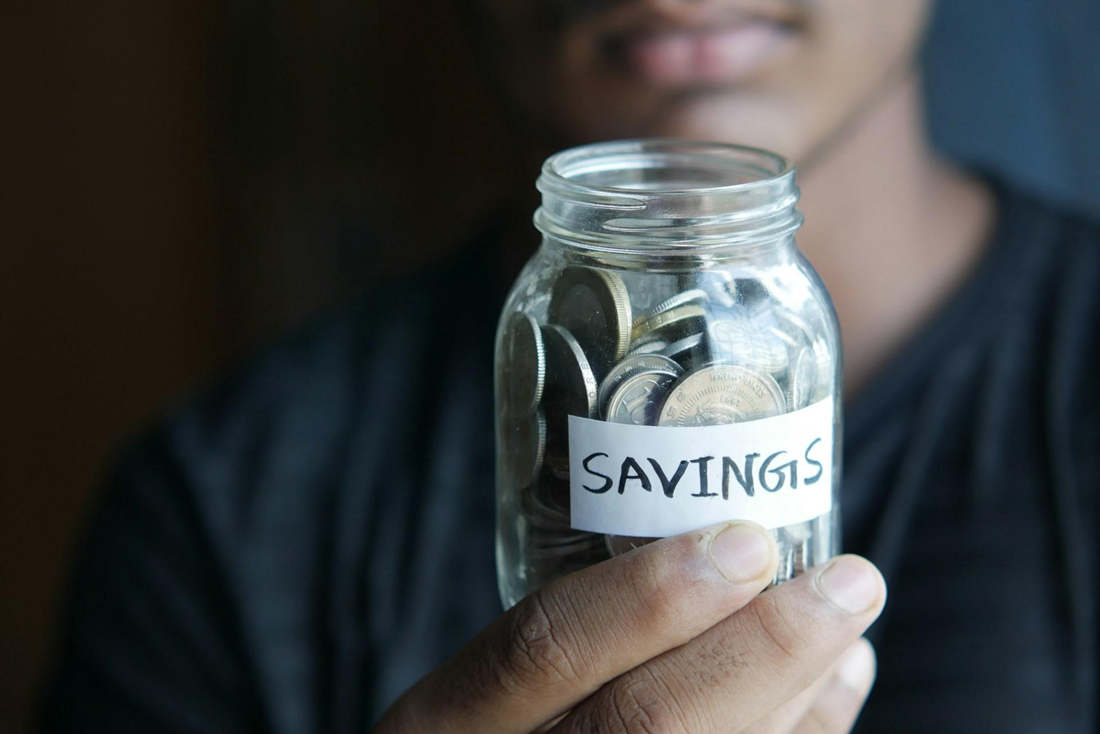
Emergency savings have always been important, but for many households, they feel more necessary now than ever. Everyday costs are higher, medical bills can arrive without warning, rent and housing expenses continue to pressure budgets, and even a small disruption in income can create serious stress. When money is already stretched, one unexpected expense can quickly turn into a crisis.
An emergency fund is not just a financial tool. It is a source of stability. It gives you options when life does not go according to plan and helps you avoid making rushed decisions under pressure. Even if you cannot save a large amount right away, building a small cushion can make a meaningful difference.
The Cost of Everyday Life Keeps Rising

Many people are already spending more on basic needs than they did a few years ago. Groceries, gas, utilities, insurance, childcare, rent, and home maintenance can take up a large share of monthly income. When regular expenses leave little room for flexibility, surprise costs become harder to absorb.
A $300 car repair or $150 urgent care bill may not sound overwhelming in theory, but for someone living paycheck to paycheck, that kind of expense can affect everything else. It may mean delaying another bill, using a credit card, skipping a needed purchase, or borrowing money from family.
Emergency savings help create breathing room. They make it possible to handle a problem without immediately disrupting the rest of the household budget.
Emergencies Rarely Arrive One at a Time
One of the hardest parts of financial planning is that emergencies often overlap. A car problem may happen the same week a child gets sick. A missed shift at work may come right before a rent increase. A home repair may appear just after an insurance bill is due.
When several issues happen close together, the stress can build quickly. Without savings, people may be forced to choose between urgent needs. Even a modest emergency fund gives you more room to respond calmly and make better decisions.
Savings will not prevent emergencies, but they can reduce the damage. They turn a potential disaster into a manageable setback.
Medical Bills Can Disrupt Any Budget
Medical costs are one of the most common reasons people need emergency savings. Doctor visits, prescriptions, dental work, urgent care, tests, specialist appointments, and follow-up care can become expensive quickly. Even people with insurance may still face deductibles, copays, out-of-network charges, or costs that are only partly covered.
Health expenses can also come with other financial pressure. Someone may need to miss work, pay for transportation, arrange childcare, or buy medical supplies. The bill itself is not always the only cost.
When savings are not enough to cover a sudden health-related bill, some people may compare hospital payment plans, financial assistance programs, credit options, or a personal loan for medical expenses. However, even a small emergency fund can reduce the need to make rushed borrowing decisions during a stressful time.
Emergency Savings Can Help You Avoid High-Interest Debt
Without savings, unexpected expenses often end up on credit cards or other high-cost borrowing options. While credit can be useful in certain situations, relying on it for every emergency can make financial recovery harder. Interest charges can turn a temporary problem into a long-term burden.
For example, using a credit card for a necessary repair may solve the immediate issue, but if the balance cannot be paid off quickly, the cost keeps growing. Over time, monthly payments may crowd out money that could have gone toward savings, groceries, rent, or other essentials.
An emergency fund acts as a first line of defense. It allows you to pay for some urgent costs directly, reducing the need to borrow or limiting how much you need to borrow.
A Cash Cushion Gives You More Choices
Emergency savings are valuable because they give you options. If your car breaks down, savings may help you fix it quickly so you can keep getting to work. If a family member gets sick, savings may allow you to take time off without falling behind immediately. If your housing situation changes, savings may help cover moving costs or a deposit.
Money cannot remove every hardship, but it can create flexibility. It can give you time to compare options, ask questions, negotiate bills, or make a plan instead of reacting out of fear.
That flexibility is especially important for people with irregular income, hourly jobs, freelance work, or limited benefits. When income changes from month to month, savings can help smooth out the gaps.
Emergency Funds Support Mental Health
Financial stress affects more than a bank account. It can affect sleep, relationships, work performance, parenting, and physical health. The constant worry of being one bill away from trouble can be exhausting.
Having emergency savings does not mean you will never feel stressed about money. However, it can reduce the sense of panic when something goes wrong. Knowing there is money set aside for real emergencies can make daily life feel more stable.
Even a small fund can provide emotional relief. The first $250 or $500 saved may not cover every possible emergency, but it can help with many smaller problems and build confidence that progress is possible.
Start Small and Build Consistency
Emergency savings grow through consistency. You do not need to save a huge amount at once. A small automatic transfer each payday can help build the habit. Saving $10, $20, or $25 at a time may seem slow, but it adds up.
You can also use occasional extra money to build the fund faster. Tax refunds, work bonuses, side income, cash gifts, or money from selling unused items can all help. If you cancel a subscription or lower a bill, consider moving the difference into savings before it disappears into everyday spending.
The goal is to make saving as automatic and simple as possible.
Rebuilding After You Use It
Using your emergency fund is not a failure. It means the fund did its job. If you spend part or all of it, start rebuilding as soon as you can. Return to the same savings habit that helped you build it in the first place.
Emergency savings are not a one-time project. They are an ongoing part of financial stability.
Final Thoughts
Emergency savings matter because life is unpredictable. Costs rise, jobs change, cars break, people get sick, and bills arrive at inconvenient times. A savings cushion helps you handle those moments with more control and less panic.
You do not need to build a perfect emergency fund overnight. Start small, stay consistent, and protect the money for real needs. Over time, even modest savings can create more stability, more choices, and more peace of mind.