

Veterinary medicine is often associated with treating household pets, but the profession has a much wider role in community life. Veterinarians help protect animal health, support responsible ownership and contribute to public health in ways that are not always immediately visible.
For students who care about animals and want a career with a broader purpose, veterinary medicine can provide several ways to serve others. The work combines science, practical skills and direct interaction with people, creating opportunities to make a difference at the individual and community level.
Understand the Broader Role of Veterinary Medicine

Veterinarians work in many environments, and their responsibilities depend on their area of practice. A companion animal veterinarian may spend most of the day treating cats and dogs, while another professional may work with livestock, wildlife, research or public health programs.
Animal shelters may also rely on veterinarians to treat injured animals and address health concerns before adoption. Government agencies and public organizations can employ veterinary professionals in areas involving disease monitoring and animal health.
This variety means students should look beyond the traditional image of a neighborhood veterinary clinic when considering the profession.
Help Keep Companion Animals Healthy
One of the most direct ways veterinarians support their communities is by helping people keep their pets healthy.
Routine examinations can help identify health problems before they become more serious. Veterinarians also provide vaccinations, parasite prevention, nutritional guidance and treatment for illness or injury.
Education is an important part of this work. Pet owners may not always know which symptoms require attention or how changes in diet, exercise or behavior could affect an animal’s health. Clear guidance can help owners make better decisions and avoid preventable problems.
Support Animal Welfare
Veterinarians can also play an important role in protecting vulnerable animals.
Shelters and rescue organizations may care for animals that have been abandoned, neglected or injured. Veterinary professionals can provide medical treatment, assess health conditions and help determine what care an animal needs before adoption.
Their expertise can also support broader animal welfare efforts. By working with shelters, community groups and pet owners, veterinarians can help promote responsible care and encourage people to understand the commitments involved in owning an animal.
Contribute to Public Health
Animal health and human health are closely connected. Some diseases can move between animals and people, making prevention and monitoring important to the wider community.
Veterinarians receive training that can help them recognize potential disease risks and provide guidance on prevention. Some professionals work directly in public health, where their responsibilities may involve disease surveillance, food safety or community health programs.
This is one reason veterinary medicine has an impact that extends beyond individual patients. Keeping animals healthy can sometimes contribute to protecting the people who live and work around them.
Promote Responsible Pet Ownership
Veterinarians spend considerable time communicating with animal owners. That creates opportunities to improve community knowledge about responsible pet care.
Conversations may cover nutrition, exercise, vaccinations, parasite prevention, behavior and reproductive health. The advice needs to be practical because owners are more likely to follow recommendations they understand and can realistically incorporate into daily life.
Over time, this education can help reduce preventable health and welfare problems. A veterinarian is not simply treating an animal during an appointment. They are also helping an owner understand how to care for that animal between visits.
Support Underserved Animals and Families
Access to veterinary care can be difficult for some families, particularly when unexpected medical expenses arise. Veterinarians can contribute to community efforts that address these challenges through shelters, outreach programs and animal welfare organizations.
These efforts do not eliminate the larger issue of access to care, but they can provide meaningful support in specific communities. Veterinary professionals may also help organizations develop educational programs that give owners practical information about preventive care.
Compassion matters here. Understanding a family’s circumstances while still communicating clearly about an animal’s needs can be an important part of responsible veterinary practice.
Support Food Safety and Animal Agriculture
Veterinary medicine also has an important role in agriculture and food production.
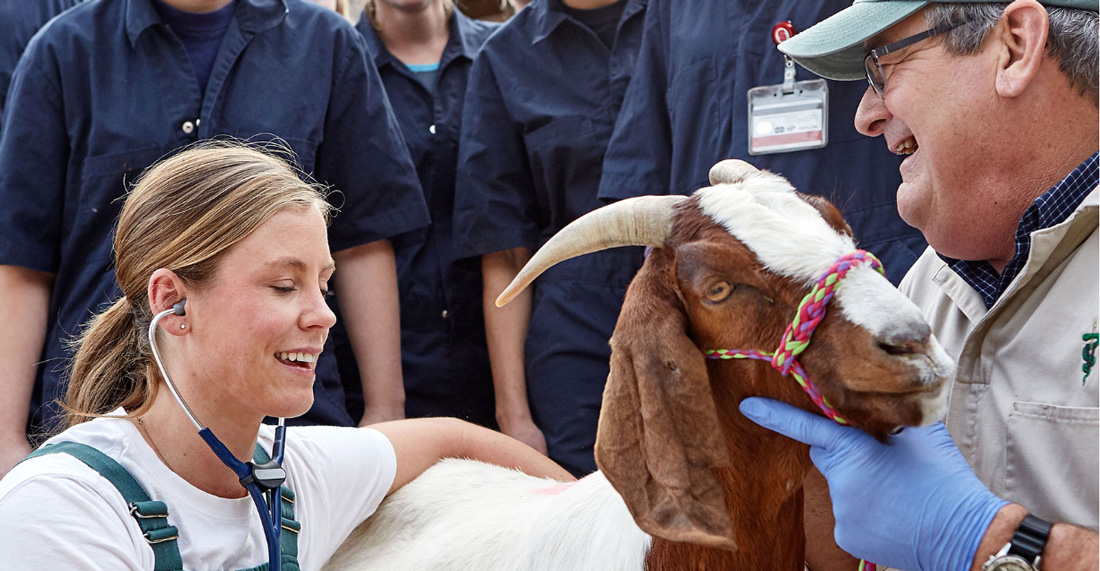
Veterinarians who work with livestock may help farmers maintain herd or flock health, prevent disease and manage conditions that could affect animal welfare. Their work can also contribute to responsible food production and safety.
This area of veterinary medicine is easy to overlook if your only experience with veterinarians involves household pets. Yet agricultural veterinary work can affect large populations of animals and ultimately support the wider food system.
Protect Communities Through Disease Prevention
Disease prevention is another area where veterinary professionals can have a significant impact.
Veterinarians may participate in vaccination efforts, disease surveillance and biosecurity programs. Early identification of certain animal diseases can allow appropriate steps to be taken before problems spread more widely.
Some veterinary careers involve close cooperation with public agencies and other health professionals. These roles demonstrate how veterinary medicine can intersect with broader community health goals.
Build Skills That Support Community Service
Becoming a veterinarian requires more than learning how to diagnose and treat animals.
Students develop communication skills because they must explain medical information to owners. They also learn critical thinking, observation and problem-solving because every patient can present different circumstances.
Teamwork is equally important. Veterinary practices often involve veterinarians, technicians, assistants and administrative staff working together. These skills can help professionals communicate effectively with both colleagues and the people they serve.
Understand the Education Required
The path to becoming a veterinarian requires significant education and training. Students generally begin with undergraduate study that includes relevant science coursework before applying to veterinary school.
Veterinary programs combine classroom education with laboratory and clinical training. Students learn about anatomy, physiology, pharmacology, pathology and other subjects before applying that knowledge in supervised clinical settings.
The financial side deserves attention as well. Tuition is only one part of the cost, since students may also need to account for housing, books, equipment and everyday expenses. Scholarships, grants and savings can help, while some students may also research options such as private veterinary school loans when developing a broader education funding plan. Any borrowing decision should be based on a clear understanding of interest, repayment terms and the total cost involved.
Choose a Career Path That Matches Your Goals
Veterinary medicine offers several directions, so students should think about what type of community impact interests them most.
Someone who enjoys working directly with families may prefer companion animal medicine. Another student may be more interested in shelter medicine, wildlife, livestock, research or public health.
There is no single definition of meaningful veterinary work. Different roles address different needs, and students can explore those possibilities through internships, volunteering, job shadowing and other practical experiences.
Build a Career With Long-Term Impact
Community impact does not necessarily happen through one major project. It can develop through years of consistent work.
A veterinarian who educates pet owners, supports local shelters, participates in public health initiatives or helps prevent disease is contributing to the health of the community in practical ways.
Continued education also matters. Veterinary medicine changes as research develops and new treatments, technologies and health concerns emerge. Staying informed allows professionals to provide better care and more useful guidance.
Final Thoughts
A career in veterinary medicine can provide opportunities to serve animals while also supporting the people and communities around them. The profession reaches into animal welfare, public health, agriculture, disease prevention and community education.
For students considering this path, the first step is understanding the many roles veterinarians can play. From a local clinic to a public health organization, veterinary professionals can use their education and skills to address problems that extend well beyond the examination room.