
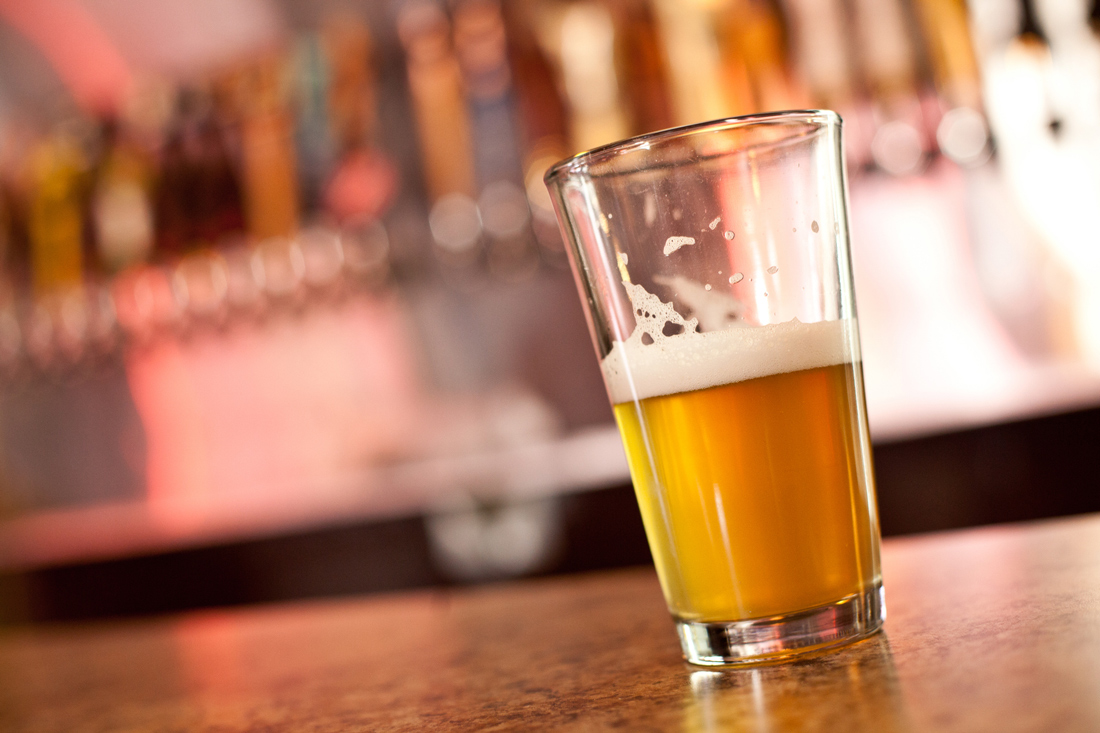
Are more people really saying boo to booze? Last year, a Gallup poll revealed that only 58% of Americans said they drink alcohol, when that number was 62% in 2023. Music venues, bars, and restaurants, which had already been struggling since the pandemic, are really struggling with this new reality.
Bouncing between inflation and tariff woes for months, consumer costs have been rising on pretty much everything. The first to be sacrificed are often wants rather than needs, and alcohol is definitely a want. The Texas Restaurant Association says that up to 40% of survey respondents mentioned a dip in booze sales from the previous year.
There was a time when many calmed their stress with a drink, but trends are changing. Younger generations are creating opportunities to socialize and have fun without alcohol. Some are doing it to save money and others for their health. In their quarterly survey, the Texas Restaurant Association has confirmed this downward drop in drinking is vastly among younger people, especially Gen Z and millennials.

Brooks Kendall, co-operator of The Post and president of Afallon Productions who books and produces live music all across Fort Worth, said that almost all the revenue at The Post and other music venues comes from alcohol sales. Ticket sales and nonalcoholic drinks contribute, but the downward trend has been problematic. This doesn’t just hurt venues. It also hurts live music and musicians.
“Live local music in small independent venues has historically been funded by alcohol sales,” he said. “Until a new revenue model becomes equally effective, yes, a decline in alcohol sales directly hurts the local music scene.”
To address the deficit, many affected businesses are experimenting with mocktail menus, to offer the same creative taste but without the hangover. Mocktails are not necessarily healthier. Many essentially contain from 10 to 30 grams of sugar per drink, which adds up fast and can lead to other health issues.
Another factor that may be at play is the huge upswing in people using GLP-1 drugs like Ozempic for weight loss. GLP-1 drugs regulate insulin and change how alcohol may affect the drinker.
The laws regarding THC are a bit blurry, but quite a few local establishments sell THC beverages. Martin House has taken things a step further. The brewery has crafted its own hemp-derived Delta-9 THC seltzer. Power House is alcohol-free and has been a big hit since its release a year ago, selling well and amplifying Martin House’s consumer base to drinkers and nondrinkers alike.
It seems that alcohol-infused businesses are experiencing a maelstrom of challenges all at once, from the fallout of the pandemic to GLP-1s, THC drinks, and high inventory. High prices alone are enough to keep people home more often.
And the trend is not just affecting alcohol sales at restaurants but also at liquor stores. Fort Worth Discount Liquor Manager Ashok Shrestha reported a 15% to 20% drop in sales since last year. Shrestha believes it has a lot to do with younger drinkers opting for seltzers and newer fusion products. To combat this drop in booze sales, Discount Liquor has made their products easier to buy by opening up to Uber Eats and DoorDash. Convenience may be the key to staying out of the red.
Alcohol-free events are also becoming more popular. They are plentiful on invitation platforms throughout the country, a few even in Fort Worth, where there are coffee and cacao get-togethers and all-ages sober-minded celebrations.
Despite the downward trend of alcohol sales, one local venue is doing fine. Cary Ray, managing partner of Scat Jazz Lounge downtown, has not seen much change in revenue following the decline in overall alcohol sales. His niche business model insulates the Scat from reliance on primarily alcohol sales. About 60% of the lounge’s revenue comes from admission, about 32% percent from nonalcoholic menu items, and only about 8% from alcohol overall.

The Scat is more of a showroom, or after-dinner club, than a bar or standard music venue. There is a two-item minimum purchase requirement from the menu for every attendee, but they can be for food or nonalcoholic drinks, including Oak Cliff Beverage’s pure cane sugar sodas, hot tea, and Topo Chico.
Having celebrated 18 years in business on December 6, Scat Jazz appears to be flowing as strong as ever in spite of, or possibly because of, some recent changes to the operating model. They removed standing room tickets and kept group sales to a max of six per person, kept seating between 100 to 120 people per show, and are bringing a more exclusive appeal to live jazz.
Co-operator of The Post, Kendall agrees that offering a more diverse variety of nonalcoholic drinks can stave off some losses, but those numbers do not close the gap entirely. To stay afloat and continue to support music and the local music community, “in the context of a live music venue, what you will ultimately see is both drink prices and ticket prices continuing to increase to offset the reduction in volume.”