

Is there anything left to say about A Charlie Brown Christmas? Since it first aired on CBS 60 years ago this month, the 25-minute TV special has been a cherished fixture of holiday entertainment. It’s been relentlessly cited, referenced, satirized, parodied, and, above all, praised as a national treasure. What could I possibly do to help people appreciate it in a new way?
One thing that may surprise you about the TV show is how nobody believed in it. Peanuts creator Charles M. Schulz had never worked in TV before teaming up with executive producer Lee Mendelson, after seeing the latter’s documentary about Schulz’s favorite baseball player, Willie Mays. Mendelson, in turn, had never worked with animation before he promised the ad agency McCann Erickson and their clients at Coca-Cola that he could deliver a half-hour animated special in six months without knowing whether that was feasible. He then contracted Bill Melendez, who had worked on animation with Warner Bros. and Disney, to direct the special and bring the comic strip’s characters to life. (Melendez would also do the voice effects for Snoopy.)
The animation was completed only 10 days before it was scheduled to air, and when the special was first screened for industry insiders in New York, both Mendelson and Melendez were convinced that they had a disaster on their hands. The same opinion was held by the advertising executives who had commissioned the show. A Charlie Brown Christmas did not have a laugh track, which was standard for TV comedies back then. The jazz soundtrack by the Vince Guaraldi Trio was deemed not to fit the material. At a time when Christmas specials typically didn’t reference religion, Linus’ speech about the true meaning of Christmas was seen as a potential point of controversy. CBS wanted to pull the episode, but it was too late to find a replacement for the time slot.

However, someone in the room had a different opinion: Time magazine TV critic Richard Burgheim, who published a positive review the week that the show aired. His reception was shared by other TV critics around the country as well as by audiences at home, who made it the second-highest-rated show that week behind a new episode of the Western Bonanza. Guaraldi’s soundtrack album did not immediately chart because music charts were not tracking such albums at the time, but it has become the second-bestselling jazz album of all time behind Miles Davis’ Kind of Blue. United Feature Syndicate (which sold Schulz’s comic strip to newspapers) rushed a book version of the TV special into print, and CBS immediately ordered more TV specials about the Peanuts characters into production.
The success had a knock-on effect on other TV Christmas specials, as CBS poured money into Chuck Jones’ How the Grinch Stole Christmas the following year and Rankin-Bass’ stop-motion Frosty the Snowman a few years later. Guaraldi’s “Christmas Time Is Here” has spawned dozens of cover versions, and Wes Anderson used it to memorable effect in The Royal Tenenbaums, which was released around Christmas. Schulz might not appreciate this bit of his legacy, but A Charlie Brown Christmas also deeply influenced South Park, with the foul-mouthed kids living in an eternal winter as they try to figure out the world that the grown-ups made for them.
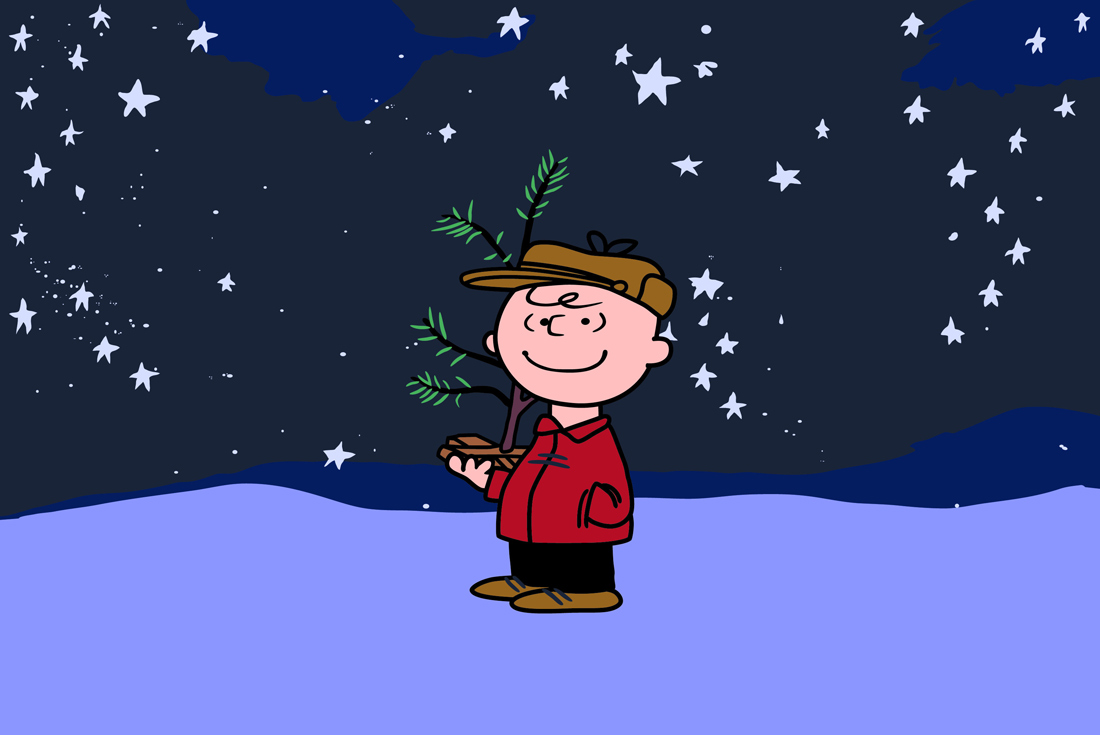
Then again, maybe the best way to appreciate A Charlie Brown Christmas is as its own thing, as Schulz’s Everykid looks at all the commercially manufactured holiday cheer around him and wishes that he could join in. Charlie Brown finds the Yuletide spirit when he takes pity on that puny little tree and makes it into his own Christmas tree. Our boy would probably go deeper into his holiday gloom to find that his special is no longer available on free network TV and can only be accessed via subscriptions to Apple TV+ (though the service has a free trial period). Still, for those of us who have DVD copies or carry the memory of it in our hearts, its simple charms are worth a dance to “Linus and Lucy.”