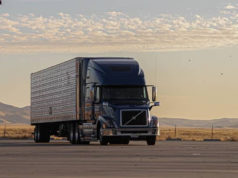



The I-45 corridor between Dallas-Fort Worth and Houston is one of the most active commercial freight routes in the country. Stretching roughly 250 miles and passing through Corsicana, Huntsville, and Conroe before reaching the northern edge of Harris County, this stretch of interstate carries tens of thousands of commercial vehicles on any given weekday.
The loads include petrochemicals, consumer goods, refrigerated food, manufactured equipment, and raw materials that keep both metropolitan areas running. When one of those trucks is involved in a serious crash, the investigation that follows involves federal regulations, electronic data systems, and legal complexity that goes well beyond anything in a typical passenger car accident case.
Why Truck Crashes on I-45 Require Specialized Investigation

Federal law governs commercial motor carriers in ways that create entirely different liability frameworks than those that apply to ordinary drivers.
Hours-of-service rules, enforced by the Federal Motor Carrier Safety Administration, limit how long a commercial driver can operate before mandatory rest. A driver who has exceeded those limits at the time of a crash is not just fatigued in a general sense. That driver is in violation of a specific federal regulation, and that violation changes both how the case is framed and how juries typically respond.
Electronic logging devices, required in most commercial vehicles since 2017, capture continuous records of driver hours, location, speed, and duty status. This data is often the most important evidence in a serious truck crash case, and it is subject to automatic overwriting if preservation requests are not sent within days. According to the Federal Motor Carrier Safety Administration, the ELD mandate covers most commercial motor vehicles in interstate commerce, and accessing the data requires counsel familiar with the specific retention and production rules.
Event data recorders, similar to aircraft black boxes, capture the truck’s speed, braking, and throttle position in the moments before impact. The engine control module stores fault codes that can reveal mechanical issues the carrier may have known about before the crash occurred.
What Fort Worth Families Need to Know
For Fort Worth and Tarrant County residents injured on I-45, the legal geography matters practically as much as the substantive law.
A crash that occurs in Walker County near Huntsville is handled in Walker County courts, which operate under the same Texas rules but at a very different pace and with different local dynamics than Tarrant or Harris County. Understanding which county has jurisdiction, and retaining counsel with experience in that venue, can affect case timing and outcome.
Texas proportionate responsibility rules apply throughout the corridor. An injured driver whose fault exceeds 50 percent recovers nothing. Defense attorneys for major carriers deploy rapid response teams to crash scenes within hours, with the goal of building a record that supports shared-fault arguments before an injured family has even thought about retaining a lawyer.
A truck accident lawyer at Schechter, Shaffer & Harris, LLP, which handles commercial vehicle cases throughout Southeast Texas, describes the dynamic this way: “The carriers know exactly what to do in the first 72 hours after a serious crash. Our job is to make sure injured families move just as fast. The cases we win are usually the ones where we got the preservation letters out before the footage was deleted and the ELD data was overwritten.”
The two-year statute of limitations for Texas personal injury claims applies to corridor crashes just as it does anywhere else. Acting quickly protects both the evidence and the legal rights of everyone involved.
Types of Carriers on the Corridor and Why They Matter
The freight mix on I-45 is not uniform, and the type of carrier involved in a crash affects the investigation and the potential recovery significantly.
Large national carriers typically operate with legal departments and carrier liaisons who engage immediately after serious crashes. Their insurance programs often feature dedicated claims units with deep experience defending Texas cases. The resources on the defense side are substantial, and matching that preparation on the plaintiff side is essential to a fair outcome.
Owner-operators and small carriers present a different challenge. Their insurance coverage may be close to federal minimums, which are often inadequate for catastrophic injury cases. Identifying all potentially responsible parties, including brokers, freight forwarders, shippers, and maintenance contractors, requires the kind of thorough investigation that only comes with truck-specific experience.
Coverage from Reuters has documented how e-commerce growth has driven dramatic increases in commercial delivery volume on Texas corridors, and how that increase has brought more smaller carriers onto roads that were previously dominated by established national freight companies.
Practical Guidance for Anyone Involved in a Corridor Crash
Act quickly on evidence preservation. Camera footage from nearby businesses, highway department systems, and dashcams from other vehicles all have retention limits measured in days or weeks. The moment after the crash is when the clock starts.
Do not sign anything or agree to any recorded statement from the carrier or its insurer without first consulting counsel. Trucking companies are not neutral parties in these investigations, and their representatives are experienced at asking questions in ways that support later shared-fault arguments.
Seek medical evaluation immediately. Highway crashes at speed produce serious injuries even when the immediate aftermath looks survivable. Traumatic brain injury, spinal trauma, and internal injuries regularly present with a delay of hours or days.
Retain counsel with specific experience in federal motor carrier regulations and electronic evidence. General personal injury practice without truck-specific knowledge is unlikely to recognize what ELD records reveal, what to request from maintenance logs, or how to respond effectively when a carrier’s rapid response team has already worked the scene.
The freight corridor between Dallas-Fort Worth and Houston is an economic lifeline for the entire state. When serious crashes happen on that road, the families affected deserve thorough, experienced representation that matches the complexity of what they are facing.