


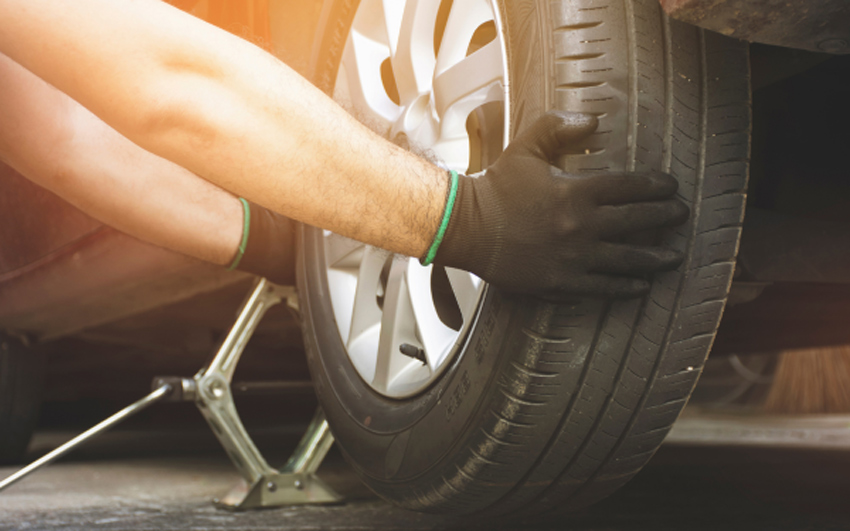
SUV owners commonly choose tires based on factors like comfort, stability, and endurance. This is because SUVs operate mostly on roads, and thus there is a need to select a tire that guarantees better driving performance, better economy, and safety when riding on highways. The appropriate tire should be efficient for long journeys in varied weather conditions.
Highway tires are meant for riding mainly on paved roads, and they offer a better ride experience and less noise than aggressive off-road tires. However, not all highway tires are constructed the same way, so they may differ in construction quality, traction, load-carrying capacity, and other factors.
Understand What Highway Tires Are Designed For

Highway tires are also called highway terrain (HT) tires, which are designed for on-the-road driving. In their design, the treads prioritize comfort, stability, and economy over off-road performance.
The characteristics of HT tires include road-gripping treads, reduced rolling resistance to save fuel, and less noise at higher speeds. In other words, these tires are ideal for personal driving and family SUVs driven mostly on highways.
Evaluate Tread Design Carefully
Tread pattern influences traction, braking, and comfort. In comparing highway tires, note:
Symmetrical Tread Patterns help ensure even wear, improve comfort, and make it easier to rotate tires.
Circumferential Grooves move water out of the contact area, lower the possibility of hydroplaning, and improve traction in wet weather conditions.
Siping increases traction on wet roads, provides improved braking ability, and offers traction in winters
A proper tread design is necessary for maintaining control in dry as well as wet driving conditions.
Focus on Ride Comfort and Noise Reduction
SUV drivers usually want a comfortable ride, especially while driving on highways. Tire construction is an important factor in determining comfort. Some factors include variable-pitch tread blocks to minimize road noise, flexible construction to reduce vibrations, and balanced tread stiffness. Highway tires provide a comfortable ride without affecting handling.
Match Load Capacity to Your SUV
SUVs have a higher weight compared to normal passenger vehicles; thus, load capacity should not be overlooked. According to the Federal Highway Administration, proper vehicle maintenance, including correct load distribution, is essential for highway safety.
Selecting tires whose load ratings correspond to those recommended is key to avoiding unnecessary strain on the structure and excessive wear. Consider the tire’s load rating, the manufacturer’s recommended load ratings, and the frequency of transporting goods/passengers using the SUV.
Consider Fuel Efficiency
Rolling resistance affects the amount of energy needed to maintain speed. Energy-efficient highway tires can help lower fuel consumption. Energy-efficient tires include lightweight interior parts, low-rolling-resistance tread compounds, and optimized tread contact patterns.
People spending considerable time driving on highways can observe reduced fuel consumption.
Evaluate Wet Weather Performance
Reliable wet traction is critical for highway driving. The tire must maintain traction in the rain while maintaining braking and handling capabilities. Key features to consider when designing tires include channels for efficient water evacuation, silica-reinforced rubber, and shoulder blocks for stability. These features improve traction and reduce the likelihood of hydroplaning during heavy rain.
Check Tread Life and Durability
Mileage is one of the main advantages provided by highway tires. However, tire durability largely depends on the structure of the tire itself and how it is cared for. Things to consider include mileage guarantees from reputable manufacturers, durable tread compounds, and even tread wear. All of these factors contribute to increased tire longevity.
Consider Seasonal Driving Conditions
Highway tires usually come in all-season tires, although weather will always play a role. Drivers in mild weather areas can enjoy excellent traction on both dry and wet roads, good light snow performance, and year-round performance. Yet, drivers who live in extremely cold areas will have to use winter tires regardless.
Balance Cost With Long-Term Value
Price needs to be considered along with durability and performance. Cheaper tires might wear out faster or offer less grip over time. When choosing among alternatives, keep in mind the warranty, tread life, comfort, Noise level, and Fuel economy. A small increase in cost will yield greater value over time.
Final Thoughts
Selecting dependable highway tires for SUVs entails more than just choosing the appropriate size. By focusing on factors such as tread pattern, ride quality, load-carrying capacity, and wet-surface performance, you can select a dependable tire. A suitable tire for highways provides stability, riding comfort, and durability.