

Fort Worth has grown rapidly over the past two decades, and that growth has brought increasingly heavy traffic to highways like I-35W, I-30, and Loop 820. With more vehicles on the road comes a higher rate of accidents, and understanding how Texas law handles fault and compensation is an important first step for Fort Worth drivers dealing with the aftermath of a crash.
Fort Worth’s Growing Traffic Challenges
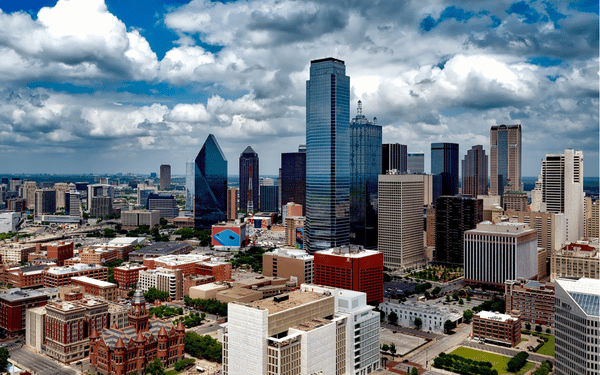
Fort Worth’s population growth has significantly increased daily commuter traffic throughout the metro area, and according to the Texas Department of Transportation, the broader Dallas-Fort Worth region consistently ranks among the state’s most congested, with rush-hour delays contributing to more rear-end collisions and intersection crashes.

Beyond commuter traffic, Fort Worth’s role as a logistics and distribution hub means significant commercial truck traffic passes through the area daily, adding another layer of risk given the more severe injuries typically associated with truck-involved collisions.
How Texas Handles Fault
Texas follows a modified comparative negligence system, allowing an injured person to recover compensation as long as they are found less than fifty-one percent responsible for the accident, with their award reduced according to their percentage of fault.
“Insurance companies in Texas move fast to try to establish fault in their favor, sometimes before an injured driver has even had a chance to fully assess their injuries,” said an attorney with the Fort Worth car accident lawyer team at Omega Law. “Understanding how Texas’s comparative fault rule works helps people push back on unfair characterizations of what happened.”
Steps to Take After a Crash
Following a crash, checking for injuries and calling for emergency assistance should always come first. Once safety is addressed, exchanging insurance and contact information, photographing the scene, and requesting a copy of the police report all help protect a future claim.
According to Tarrant County, drivers involved in accidents resulting in injury or significant property damage are required to report the incident, and this official documentation becomes an important part of the record insurers rely on when evaluating a claim.
Deadlines and Compensation
Texas law generally allows two years from the date of an accident to file a personal injury lawsuit, giving injured drivers a defined window to pursue compensation if a fair settlement cannot be reached through negotiation with an insurance company.
Compensation in Texas injury cases can include both economic damages, such as medical expenses and lost wages, and noneconomic damages, including pain and suffering, giving injured Fort Worth drivers a path toward recovering the full scope of their losses.
For Fort Worth drivers dealing with the aftermath of a crash, understanding Texas’s comparative negligence rule, the practical steps to take immediately after an accident, and the deadlines that apply to a potential claim provides a clearer foundation for pursuing fair compensation.
Construction-related traffic disruptions have become a near-constant feature of Fort Worth’s road network as the city continues to expand its highway infrastructure to keep pace with population growth. Temporary lane closures and altered traffic patterns around active construction zones introduce additional accident risk, and questions about whether adequate warning and safety measures were in place can become relevant when a crash occurs near one of these work zones.
Weather-related accidents also warrant attention in Fort Worth, since sudden severe weather, including thunderstorms and occasional ice events during winter months, can create hazardous driving conditions with relatively little warning. Drivers are expected to adjust their speed and following distance for these conditions, and a failure to do so can factor into how fault gets assigned after a weather-related crash.
Fort Worth’s stockyards district and surrounding entertainment areas also draw significant weekend traffic, creating localized congestion patterns distinct from the weekday commuter flow seen on the city’s major interstates. Drivers navigating these areas during peak entertainment district hours face different accident risks than typical highway commuters, often involving pedestrians and parking-related incidents rather than higher-speed collisions.
Commercial vehicle traffic tied to Fort Worth’s growing distribution and logistics sector has also increased in recent years, adding more large trucks to already congested highways throughout the metro area. Accidents involving these vehicles often result in more severe injuries and can involve multiple potentially liable parties, including the driver, the trucking company, and in some cases a separate cargo loading company, depending on the specific circumstances of the crash.
Uninsured and underinsured motorist coverage deserves particular attention for Fort Worth drivers, since Texas’s minimum liability requirements often fall short of what’s needed to fully cover a serious accident. Reviewing an existing auto policy for this type of supplemental coverage before it’s ever needed can make a meaningful difference in what compensation is actually available if the at-fault driver’s insurance proves insufficient to cover the full extent of an injury.