

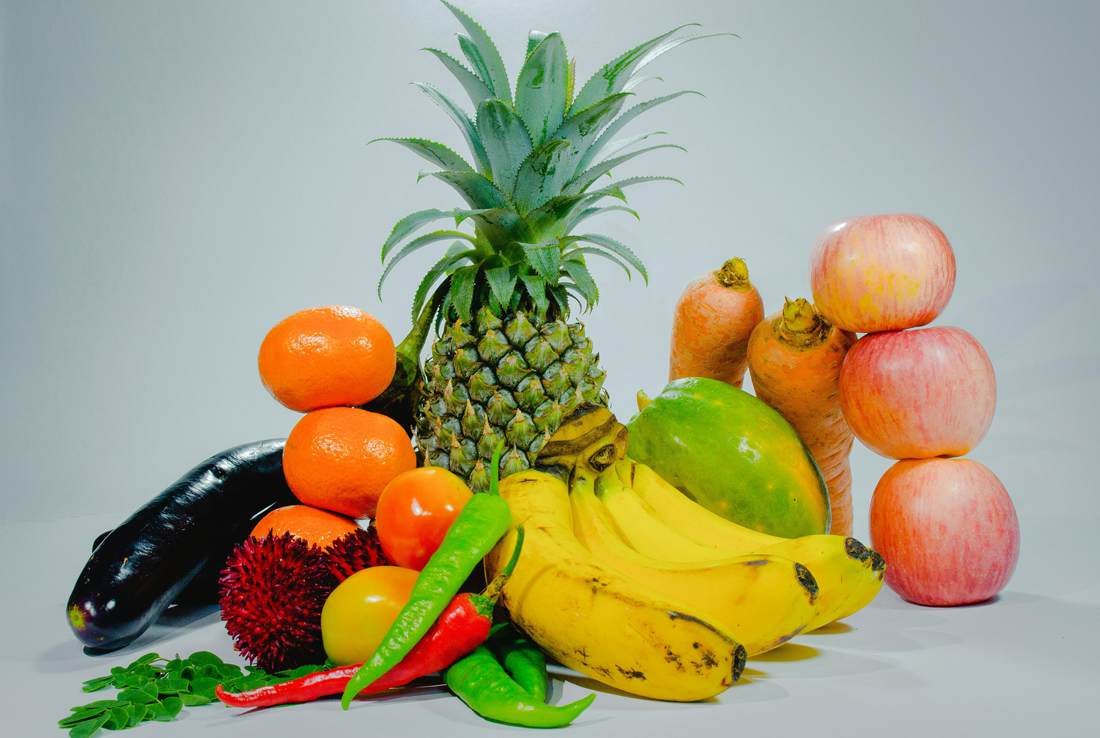
The way to a person’s brain is through their stomach. That’s the conclusion of a growing body of scientific studies that look at how what we eat can affect the way we think and feel. Research in recent years has found that consuming more fruits and vegetables can help stave off depression. Increasing fiber reduces anxiety. And the popular Mediterranean diet helps with both of these mental states while also improving cognition.
We’re not talking about a fad diet promoted by a charismatic social media influencer. This is legit, says Denice Taylor, a registered dietitian at Texas Health Arlington Memorial Hospital.
“Foods that have plenty of nutrition — such as fruits and vegetables, fish and whole grains, and other foods with vitamins and minerals — have been proven to help improve our mental health,” Taylor said.

So how does it work? Three main pathways connect the digestive and central nervous system. To start with, certain foods can affect your production of neurotransmitters. These are mood-modulating chemicals like serotonin and dopamine.
“A diet rich in fruits, vegetables, and lean meats ensures the proper intake of B-complex vitamins and essential amino acids that are crucial for the synthesis of mood-regulating neurotransmitters such as dopamine, serotonin, GABA, and norepinephrine,” said Elisa Marroquín, assistant professor at the Department of Nutritional Sciences at TCU. “Higher dopaminergic and serotonergic activity can help to prevent or decrease anxiety and depression.”
Courtesy Pexels.com
Inflammation offers another mood-food link. Marroquin said diets regulate inflammation and oxidation, both of which have been linked to anxiety and depression. “Processed foods increase pro-inflammatory cytokines and oxidation, which impair cognitive and emotional regulation, whereas nutrients like omega-3s and antioxidants reduce inflammation and oxidative stress.”
A final connection is the gut-brain axis. This refers to a network of nerves connecting the brain and the gastrointestinal tract.
“It’s like our brain is talking to our digestive tract,” Taylor said.
The gut-brain axis is a major focus of current mood-food studies.
“This is the most exciting and the one we’re really learning about,” said Caroline Susie, a Dallas nutritionist and spokeswoman for the Academy of Nutrition and Dietetics (@CarolineSusieRD, EatRightPro.org, 405-312-1712). “It’s where a lot of the research is coming from.”
Those studies are finding — perhaps not surprisingly — that the food we put into our stomachs affects the billions of beneficial bacteria living in our digestive system. These microorganisms, collectively known as the gut microbiome, have a range of effects, both good and not so good, on our physical and mental health.
Following these table-to-brain pathways has led to what seems like an important intersection between nutrition and depression. Numerous studies have found that when depressed people ate certain foods, their negative feelings lifted.
“The strongest evidence is for the influence of fruits and vegetables on reducing depressive symptoms,” Marroquin said.
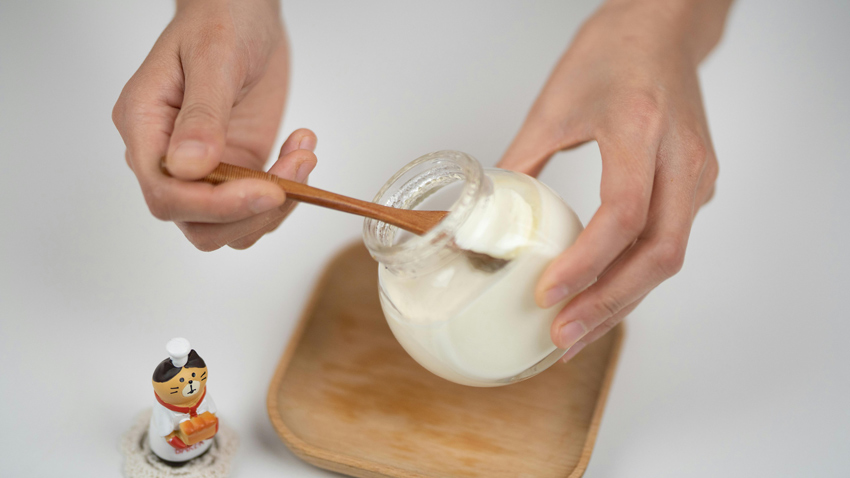
Other findings provide evidence that consuming probiotics — particular types of bacteria and yeast — can reduce anxiety and depression. Probiotics occur naturally in fermented foods like yogurt, kefir, pickles, tempeh, and sauerkraut and can also be consumed via supplements.
Courtesy Pexels.com
The term “psychobiotics” refers to types of bacteria that have been found to be particularly likely to benefit thinking and feeling. These include some varieties of Lactobacillus and Bifidobacterium. Fermented foods and supplements may contain many different microorganisms. Check labels to see if your yogurt or other food contains these specific probiotics.
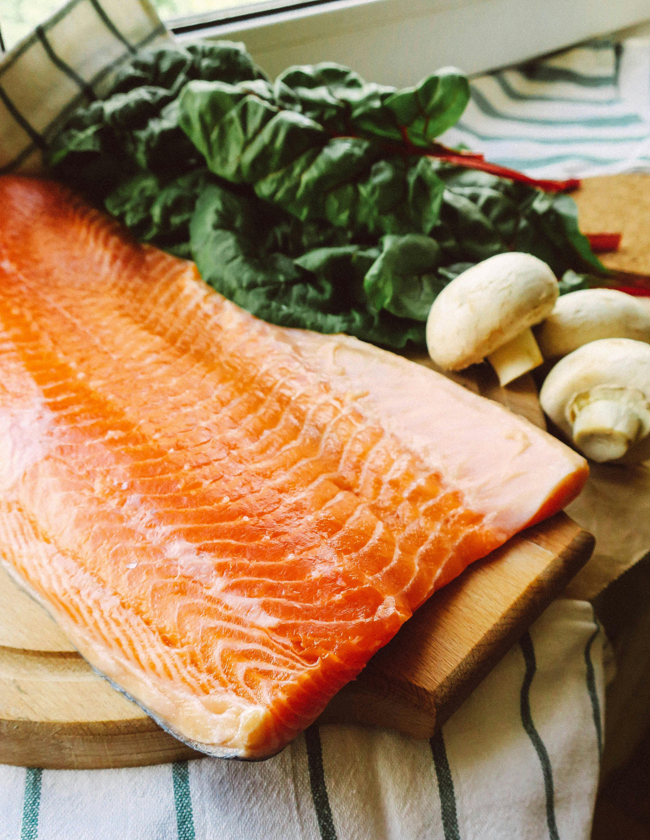
Omega-3 fatty acids are another mental health-boosting food. These healthy fats are plentiful in salmon, mackerel, anchovies, sardines, and herring and have been shown to support brain function and combat depression.
“If fish isn’t for you, talk to your provider to see if a supplement would be safe,” Susie said.
You can also get plant-based omega-3 oils from avocado and olive oil.
Eating more fiber is another way to boost your mood. Nondigestible fiber, also known as prebiotics, serves as food for the beneficial bacteria in your gut microbiome. Feed these microorganisms with foods such as apples, artichokes, asparagus, bananas, berries, green vegetables, onions, tomatoes, and garlic. Your brain will thank you.
Finally, look to consume more antioxidants, which have been found to help with mood regulation. Berries are particularly rich in these substances. Drinking tea and eating dark chocolate can also boost your antioxidant intake.
Rather than making up a list of desirable foods, you can follow a broad-based diet plan that includes some well-known options. One in particular has been found to be a powerful mood booster.
“The Mediterranean diet has the strongest evidence for positive effects on mood, reducing depressive and anxiety symptoms,” Marroquin said.
The Mediterranean diet is high in colorful fruits and vegetables, whole grains, fish, olive oil, and nuts, and low in sugar and saturated fat. This provides a lot of fiber, omega-3 fatty acids, and other nutrients that have been shown to positively affect mood and cognition.
The DASH diet, often prescribed to help lower blood pressure, resembles the Mediterranean diet with an added restriction on sodium. It also appears to be effective at regulating mood.
A further refinement, called the MIND diet — standing for Mediterranean-DASH Intervention for Neurodegenerative Delay — restricts red meat, butter, and fried foods. Intriguingly, evidence suggests it may significantly reduce the risk of Alzheimer’s.
“This is the brain health eating plan,” Taylor said of the MIND plan. “They studied people with cognitive decline and found that when they ate the MIND diet, it improved their cognitive ability and emotions.”
The impact of eating on cognition and emotion is so profound that it has given rise to a new field of medicine called nutritional psychiatry. That’s right. Instead of just reclining on a couch and talking about your feelings, you may also be able to improve your mental health by making the right menu selections at dinner.
Courtesy Pexels.com
Sound crazy?
“Nutritional psychiatry is real,” Marroquin said. “It represents a clinical field that uses dietary changes as a primary or adjunctive treatment for mental health disorders. It focuses on ‘eating specifically for brain health.’ ”
Mental health, of course, is complicated, and eating right can only do so much. Nutritionists emphasize that food can’t reliably substitute for the attention and expertise of a trained mental health practitioner. Think twice before ditching your therapist in the hope that food alone can fix what ails you.
“People may replace medical treatments, thinking that diet alone may cure their disorders, which is unlikely in severe cases,” Marroquin said. “In such instances, diet serves as a complementary tool rather than the sole intervention.”
Expanding scientific knowledge of nutrition and moods also faces some built-in difficulties.
“Studying behavioral health is challenging because there are so many variables that can affect it: genetic, biological, environmental, social, etcetera,” Marroquin said. “In addition, a poor diet can be both a cause and a consequence of mental health issues, making the relationship complex to study.”
Bear this in mind if you run across a social media influencer peddling a costly food plan, especially if it promises big improvements quickly. Eating to boost your mood doesn’t necessarily cost any more than eating unhealthy food.
Also consider that, if you’re already eating a pretty healthy diet, fine-tuning it by adding mood-friendly foods may have a smaller effect than if you are swapping a diet of fast food for one built on the Mediterranean plan.
Stay tuned for more randomized controlled trials with larger numbers of subjects and more careful controls. Sometime in the next few years, we may be able to say with a high degree of certainty that you, personally, are likely to think and feel better if you eat certain foods.
Meanwhile, it’s almost certainly safe and likely beneficial to pile your plate with fruits, vegetables, fish, whole grains, fermented foods, and other comestibles rich in omega-3 fatty acids, antioxidants, probiotics, and fiber.
“This is another lever in your toolkit,” Susie said. “Being cognizant of what foods you can add to your diet is something that’s very easy to do.”
And chances are you’ll not only assuage your hunger but also reduce your chances of experiencing anxiety and depression while also becoming mentally sharper.