

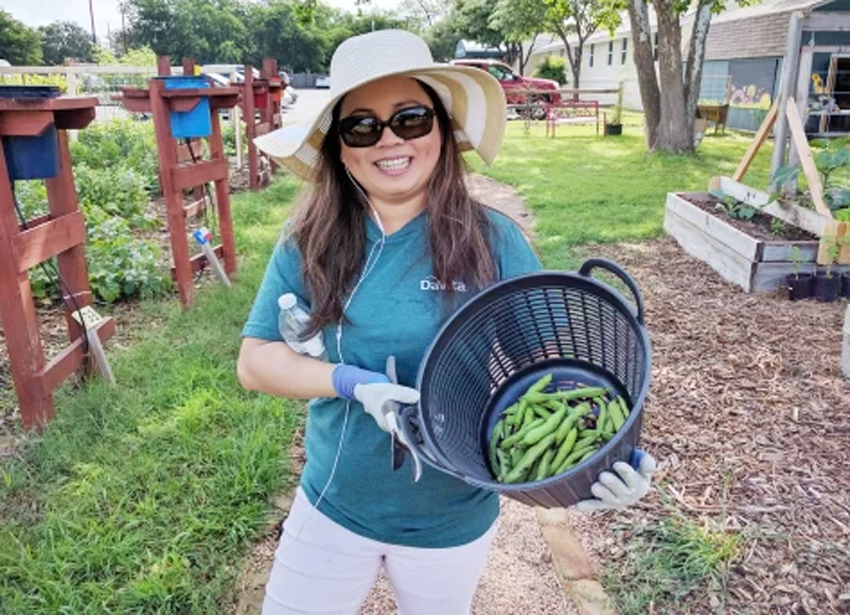
Did you know that Tarrant Area Food Bank (TAFB) has a Community Garden Program? Through this project, TAFB helps community members and organizations create thriving gardens by teaching effective tending techniques and supporting the growth of nutritious fruits and vegetables for distribution to those in need. To bridge learning and hands-on impact, volunteers are invited each week to help plant, harvest, pull weeds, and develop new gardening skills.
Benefits of Community Gardens
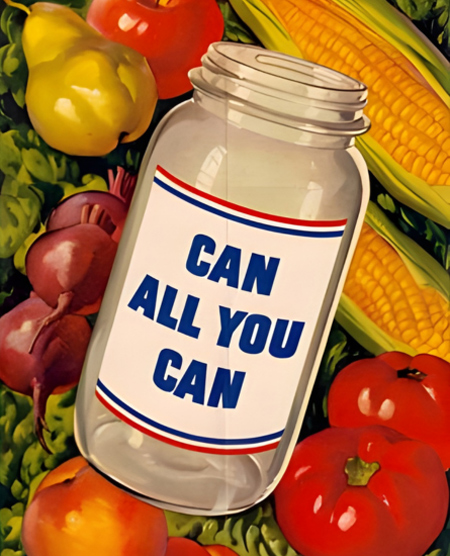
Community growing efforts have historically been tied to periods of recession and heightened national security, such as the “Victory Gardens” established during World War I. Read about that in the History of Community Gardens in the U.S. official government handout at TAFB.org.

Modern churches, neighborhoods, non-profit organizations, and schools choose to start these gardens for a variety of reasons. Along with increasing access to nutritious local food for residents, these projects provide educational opportunities to address prevalent health issues, including obesity, foster a sense of community, and benefit the surrounding environment by bringing beauty and purpose to underutilized areas.
Increasing Food Access
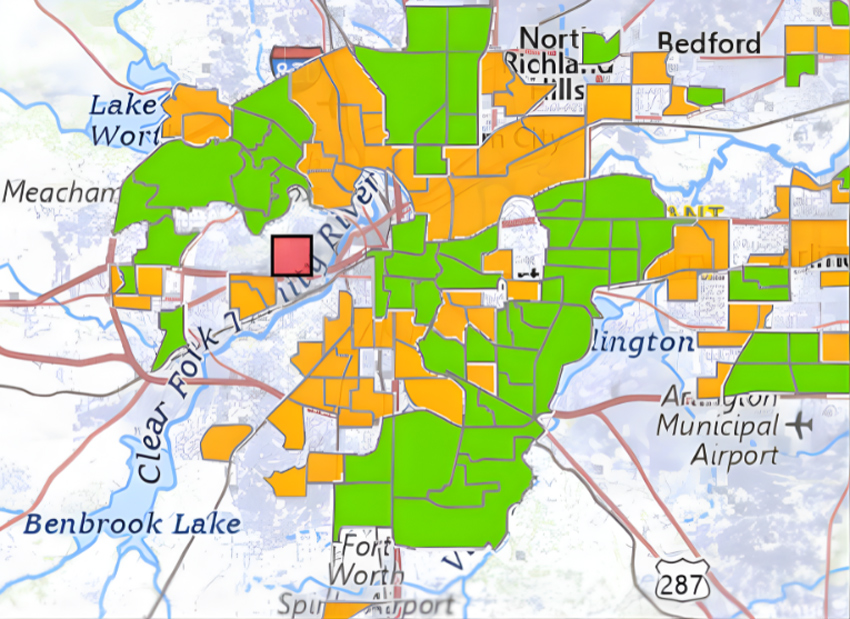
Gardens are frequently started in areas where fresh produce is not available within a 1-mile radius. The USDA has a Food Access Research Atlas (go to https://bit.ly/USDA_FoodAtlas) where you can enter your ZIP code to see the current food climate in your area. This helps you visualize the neighborhoods with a significant number of low-income residents who lack a supermarket nearby. Sadly, there are more food deserts in Tarrant County than you know.
For example, check out the map we created by plugging in the zip code of the Fort Worth Weekly offices (the red square). Green indicates areas where a significant number of low-income residents are more than 1 mile (urban); orange indicates more than 1/2 mile in urban settings. In the outlying (or “rural”) areas, this can mean up to 10 miles rather than 1/2 to 1 mile. Imagine trekking that on foot or via public transit. You’re more likely to grab junk food at the convenience store nearest you.
Providing Nutritious Options
In addition to conserving resources by reducing the number of transportation steps from harvest to table, locally grown produce is more nutrient-dense than fresh produce shipped from far away. Community gardens provide consistent access to high-quality produce in areas with limited markets, and give neighbors affordable access to herbs for flavoring food, as well as a variety of produce tailored to the community’s specific preferences.
Addressing Health Issues
Studies have shown that community gardeners and their children eat healthier, more nutrient-rich diets than do non-gardening families. This tracks, as children tend to get excited about eating what they grow themselves, in our experience, and herbs provide a healthy alternative to sugar and salt.
Regarding mental health, time in nature reduces stress and improves resilience. Being in natural places fosters recovery from mental fatigue, improves outlook and life satisfaction, helps us cope with and recover from challenges, and boosts productivity.
Gardening also offers light-to-moderate physical activity and strength training and can be considered a moderate-to-heavy-intensity physical activity associated with significant beneficial changes in total cholesterol, HDL cholesterol, and systolic blood pressure.
Building a Sense of Community
Gardens provide opportunities for neighbors with diverse abilities, socioeconomic statuses, education levels, ages, and cultural backgrounds to connect with one another. Gardeners can share resources and connect with one another, and host events and activities that appeal to a wide audience at low or no cost. This helps reduce isolation and increase engagement within the neighborhood.
Courtesy ND.gov
Creating Beauty
Gardens can beautify vacant lots that can otherwise be magnets for litter and criminal activity. Community gardens are monitored and managed by gardeners, resulting in a cleaner space and a more active local community. All of this often comes at little or no cost to the city. Gardens add beauty, increase people’s appreciation for nature, and provide safe outdoor spaces for positive activities and meetings. New businesses may choose to locate near a well-maintained community garden.
Helping the Environment
Food from the United States travels an average of 1,300 miles from farm to fork, changes hands half a dozen times, and consumes 10 calories of fossil-fuel energy to produce a single calorie of modern supermarket food. Meanwhile, growing food in community gardens reduces greenhouse gas emissions from food transportation and the amount of organic material going into landfills, reduces air pollution, and soil runoff. Plus, they attract pollinators, which are crucial to every garden ecosystem.
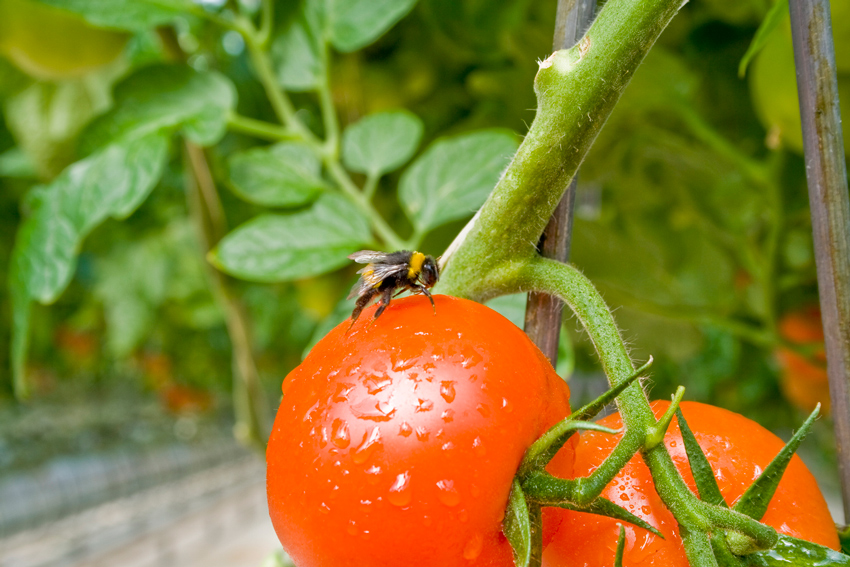
While bees are synonymous with flowers, they are also essential for most vegetable crops—such as squash, peppers, tomatoes, and beans. Without these pollinators, production of these crops would drop significantly, so supporting them in community gardens is vital.
Starting Your Own Community Garden
TAFB envisions everyone having access to food. As part of this mission, TAFB provides resources for those interested in creating a partner garden. Options range from backyard gardening to homesteading and urban farming, offering many models to suit various community needs.
For those interested in beginning their own community garden, step-by-step instructions are available at TAFB.org. A self-paced training program, with modules on history, building community, and garden planning, can guide you through each stage.
Once your garden is up and going, TAFB’s Community Garden Network will help you connect with other support organizations. You’ll have ongoing support, including gardening consultations, education and training, planning guides, networking opportunities, and access to annual impact reports and a volunteer system. For more information, email communitygarden@tafb.org.