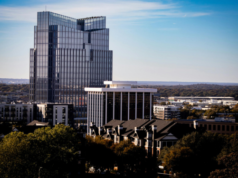


There is a specific kind of quiet that settles over West 7th Street just before the morning rush. It is that brief window where the neon signs of the bars have finally flickered off, and the coffee shops are just beginning to scent the air. Honestly, it is my favorite time in the city. For many young people in Fort Worth, this is the hour of transition. It is the moment when the dream of being a filmmaker, a painter, or a musician meets the cold reality of a bank statement.
We often talk about the soul of our city through its murals and its melodies. But do we ever really talk about the price tag attached to the hands that create them? You know, the actual cost of staying alive while making something beautiful.
The narrative of the starving artist has always been romanticized. We like the idea of the poet in the garret, surviving on black coffee and inspiration. But in a city that is growing as fast as ours, that romanticism is starting to feel like a trap. The cost of living is climbing. And the cost of the education required to sharpen those creative tools? It is reaching heights that feel dizzying. For many students at our local universities, the path forward is not paved with easy choices. It is a complex mathematical problem in which the variables are passion and debt.

It is a weight you carry before you even start. We expected it to be easier than this.
Education is the foundation. Whether you are studying jazz at TCU or film at Wesleyan, the technical skill you gain is invaluable. But the financial structure supporting that education is often a house of cards. Federal aid is a starting point, but it is rarely enough to cover the full picture of a modern education.
This is especially true when you factor in the rising costs of housing in the Near Southside or the supplies needed for a studio practice. This is where many find themselves looking at private loans for students to bridge that gap. It is a practical move, a way to keep the lights on while keeping the dream alive. But it adds a layer of weight to every brushstroke and every chord.
And that is the point. It is a heavy trade-off.
What happens to a creative community when only those with a specific safety net can afford to participate?
If the barrier to entry becomes a financial wall, we lose the gritty, diverse voices that make Fort Worth feel like home. We lose the perspective of the kid from the North Side who has a story to tell but cannot see a way to pay for the degree that helps them tell it. Maybe that is why some of the best art feels so desperate lately. The local arts scene thrives on raw honesty. And there is nothing honest about a system that excludes people based on their credit score or their family’s savings.
There is a tension here that we do not acknowledge enough. We celebrate the opening of a new gallery or the success of a local band on a national stage. We take pride in the culture that defines us. But we are often silent about the late nights spent staring at spreadsheets. We are silent about the anxiety of graduation day, where the looming reality of repayment shadows the joy of accomplishment.
It is a quiet struggle.
It is played out in the back of dive bars and in shared apartments where the rent is split four ways. And yet, the work continues. You see it in the pop-up markets and the DIY spaces that refuse to quit. There is a resilience in the Fort Worth creative class that is hard to quantify. They are finding ways to make it work, balancing part-time jobs with full-time ambitions. They are navigating the world of interest rates and applications because the alternative, not creating, is not an option.
So, how much grit is too much to ask of someone? I don’t have the answer yet, but we are testing the limits.
We need to support our local creators not just when they are successful, but when they are struggling. That means showing up to the small shows. It means buying art directly from the maker. But it also means having a real conversation about the economic structures of our city.
We need to look at how we can make Fort Worth a place where a young person can afford to take a risk. If we want a vibrant future, we have to ensure the current generation is not crushed under the weight of trying to build it.
The hum of the laptop at midnight is a common sound in many apartments across the city. It is the sound of a screenplay being written, a track being mixed, or a loan application being submitted. It is the sound of effort. As we move forward, let us make sure we are building a city that rewards that effort rather than just taxing it. We want the murals to stay colorful and the music to stay loud. But more than that, we want the people behind them to be able to breathe.
The dream is still alive in Fort Worth. You can feel it in the air. But we have to be honest about what it costs to keep it that way. It is not just about talent or drive. It is about the ability to survive in a world that asks for everything and offers no guarantees.
Are we doing enough to make sure they can actually stay? Because honestly, a city without its artists is just a collection of buildings.