

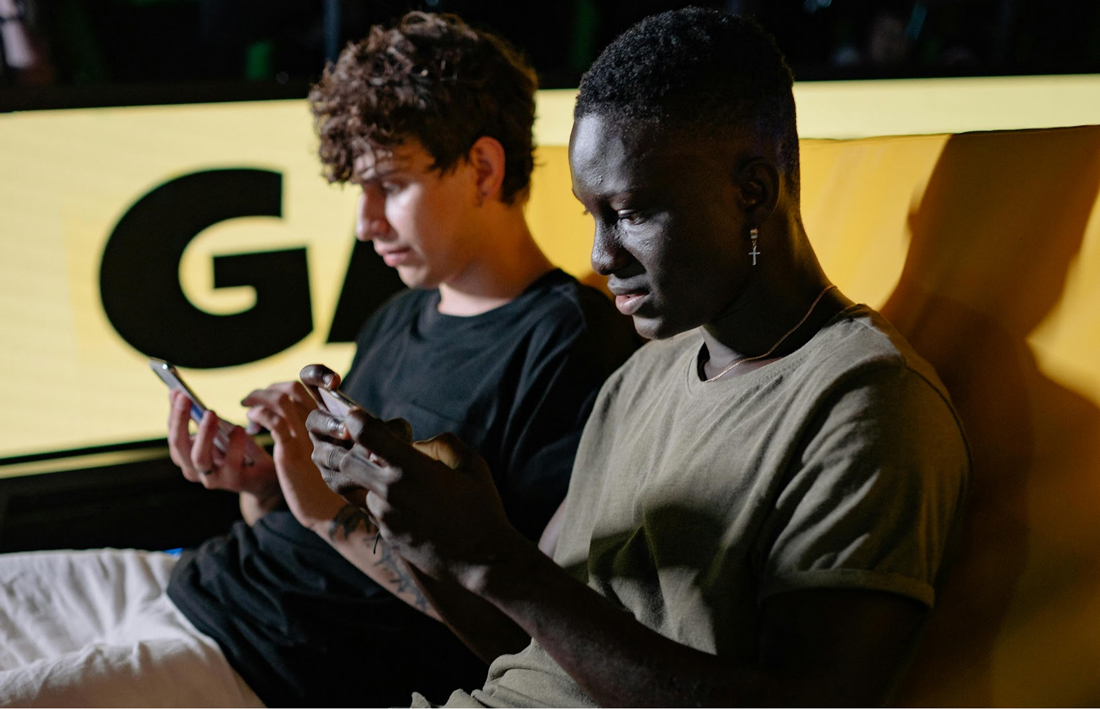
The neon lights of Fort Worth’s entertainment district now share the spotlight with a quieter, digital glow as social gaming habits continue to shift from physical gathering spots to mobile screens.
Traditional gaming culture in Cowtown is clearly evolving. While the brick-and-mortar energy of Sundance Square still holds its place, mobile platforms have changed how you experience interactive entertainment. What once required a dedicated outing can now happen almost anywhere, at any time, with far fewer barriers.
The Digital Shift in Panther City

Walk through downtown Fort Worth and you’ll notice it straight away: people gathered around their phones as often as they once were around tables or consoles. This change reflects a move toward something more flexible and immediate.
Instead of planning your evening around a location, the experience now fits into your day. You don’t need to seek out a specific venue to tap into a competitive environment. The structure has changed, but the core appeal hasn’t.
These platforms often rely on virtual currencies, keeping the focus on interaction rather than financial stakes. That shift matters. It reframes the experience as something social first, where the outcome carries more conversational value than material consequence. You’re playing for the moment, for the interaction and for the story you’ll tell afterward.
Whether you’re grabbing a drink in Sundance Square or waiting for a table on Magnolia Avenue, access is immediate. The experience mirrors the pace of the city, fast, responsive and always within reach. Without the pressure that often comes with traditional venues, the atmosphere feels more open.
It becomes less about what you risk and more about what you share. In many ways, the reward is simply being part of the moment.
Accessibility and the Modern Player
Access to high-quality entertainment has become almost effortless. Instead of driving across Tarrant County to find a specific setting, you can engage during small pockets of downtime, on a lunch break, while waiting for transport or in between daily tasks. The shift isn’t just about convenience; it’s about how seamlessly these experiences fit into your routine.
For those curious about how these platforms operate, many users click here to learn more about the legal frameworks and social mechanics behind sweepstakes-style gaming in the United States. That added context helps you separate casual apps from those built within clear, regulated structures.
It also reinforces the idea that, at its core, this space is designed around recreation rather than risk.
Community Beyond the Screen
Even though the format is digital, the sense of community hasn’t disappeared; it’s just changed form. Chat functions, leaderboards and shared challenges recreate the social dynamics you’d normally find in a physical setting. You’re not just interacting with software; you’re engaging with other people, often in real time.
That interaction adds a layer of familiarity. You might be competing with someone across town or connecting with players you’ve never met, but the shared experience feels immediate. A routine commute or a quiet moment can quickly become more engaging simply because others are part of it.
The appeal comes down to a few consistent factors. You can connect instantly with others; there’s no requirement to commit financially in the same way traditional venues demand and the structure encourages short, flexible sessions. It fits around your life instead of asking you to rearrange it.
Technology Driving the Experience
Much of this shift is powered by the devices you already carry. Advances in smartphone technology have enabled developers to build experiences that were once limited to larger systems. Visual quality, sound design and responsiveness have all improved to the point where the gap between mobile and traditional platforms continues to narrow.
You’ve likely noticed how smooth these interactions feel now. Faster processors and improved connectivity mean fewer interruptions and more consistent performance. What used to feel like a compromise compared to console gaming now stands on its own as a fully developed experience.
Real-time multiplayer features push this even further. Each session feels active, shaped by the presence of other players rather than pre-set outcomes. Behind the scenes, cloud systems and responsive feedback technology keep everything running smoothly, making each interaction feel connected and immediate rather than delayed or isolated.
The Future of Local Entertainment
Looking ahead, the divide between physical and digital spaces is likely to become even less defined. In Fort Worth, some local businesses are already adapting, introducing digital elements into their spaces to connect with a more tech-oriented audience. It’s not about replacing traditional experiences, but expanding them.
This blending of old and new creates something more dynamic. Familiar locations take on new roles, offering both physical and interactive engagement. Whether you’re out in the city or at home, the experience follows you rather than staying tied to one place.
In the end, the competitive spirit that has always defined Fort Worth hasn’t disappeared. It’s simply adapted to a format that moves with you. The setting may have changed, but the core experience, connection, competition and shared moments remain just as present, now carried in the palm of your hand.