




Levitt Pavilion in downtown Arlington sits desolate this month, a stark contrast to June, when an estimated 15,000 people piled into the small green space to enjoy the Help Center for LGBTQ+ Health’s celebration of gay culture which included vendors, live entertainment from notable drag queens, food trucks, and more.
The self-proclaimed “Dream City” has become a nightmare for the LBGTQ+ community and all discriminated people. In September, Arlington’s city council approved Ordinance No. 25-068, which “temporarily suspends the application and enforcement of the city’s antidiscrimination chapter” implemented in 1987.
City Council’s justification is that Donald Trump threatened to end federal funding for cities still following diversity, equity, and inclusion (DEI) policies. But Arlington took it a step further and is now the only major American city to respond in this way to Trump’s threat.

Arlington has also canceled Arlington Pride, an annual event that would have packed downtown.
Although DEI and Affirmative Action share the common objective of promoting fairness and preventing discrimination, they differ in their methods and guiding principles. Affirmative Action seeks to remedy past discrimination, while DEI initiatives take a broader approach, working to foster inclusive environments where individuals of all backgrounds can thrive and succeed.
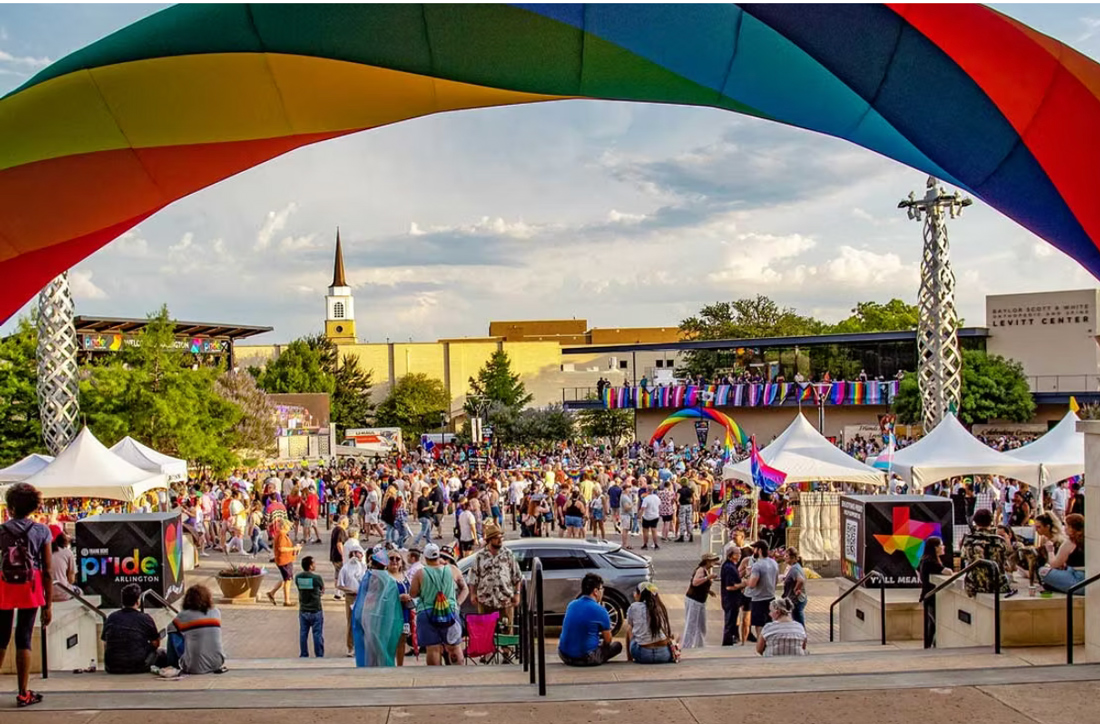
Courtesy Arlington Pride
The city’s removal of anti-harassment policies negates protections from harmful behavior which ensure a safe, respectful city. While these ordinances feed into larger, federal laws, local guidance acts as the standards of procedure for these laws. A concept taken from corporate America, standards of procedures, or SOPs, are documented step-by-step instructions that define how tasks and processes should be performed to ensure consistency, efficiency, quality, and compliance. DEI expert Katherine McCord said that without these foundational local-level laws, the larger federal guidelines cannot be upheld.
This erosion of protections led to the cancellation of this year’s Pride Arlington event. The organizers have said, “When equality is challenged at the local level, we must prioritize the well-being of our community above celebration.”
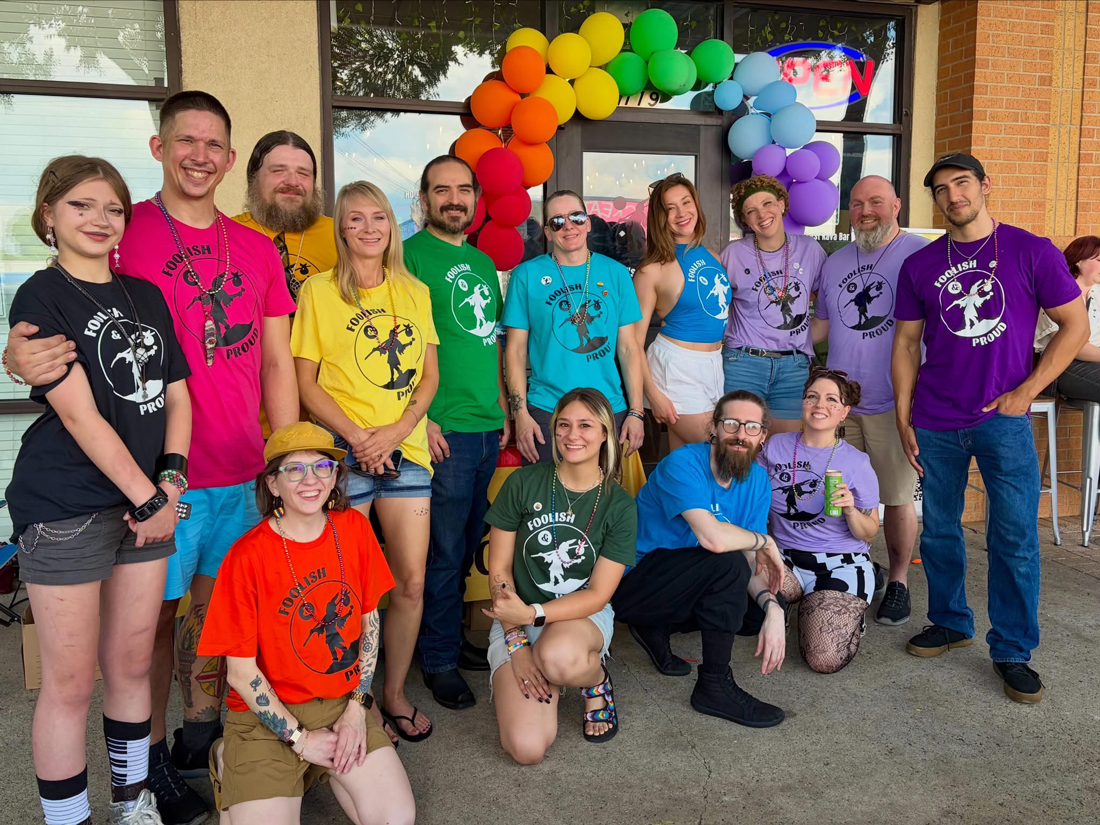
But pride in Arlington could not be completely taken away. Spearheaded by Mary Elaine and Ashley Benton of The Fool’s Kava House, members of the community were able to enjoy food, shopping, and entertainment in a queer-aligned space on June 20.
Elaine said their goal was to “feature local Arlington, particularly queer vendors,” and they did. There was also live music from members of the community, and the evening ended with “getting the glow sticks out and all the disco balls” for a silent rave, Elaine said, “just [to] have a really fun time until 2 a.m. dancing and being silly.”
Benton did credit the city for creating the LBGTQ+ police officer liaison team that provided security.
While the event was small in comparison to Arlington Pride, the women of Fool’s Kava House offered something much more important: an example of the resilience of the LGBTQ+ community. From the days of the Stonewall Riots to modern-day issues of canceled Pride events and laws against drag queens, the community has always been spirited and difficult to keep down.
This column reflects the opinions and fact-gathering of the author(s) and only the author(s) and not the Fort Worth Weekly. To submit a column, please email Editor Anthony Mariani at Anthony@FWWeekly.com. He will gently edit it for clarity and concision.







An explanation of the cancellation, which was not made by the city but by event organizer DeeJay Johannessen can be found here. https://fortworthreport.org/2026/06/22/after-arlington-pride-cancellation-city-navigates-relationship-with-lgbtq-community/.