

I recently met up with several of my fellow volunteers for one of Planned Parenthood of Greater Texas’ period-packing parties. Surrounded by boxes of donated feminine hygiene products, we assembled hundreds of period kits for the local community. Our goal for that evening? To help those experiencing period poverty, including children.
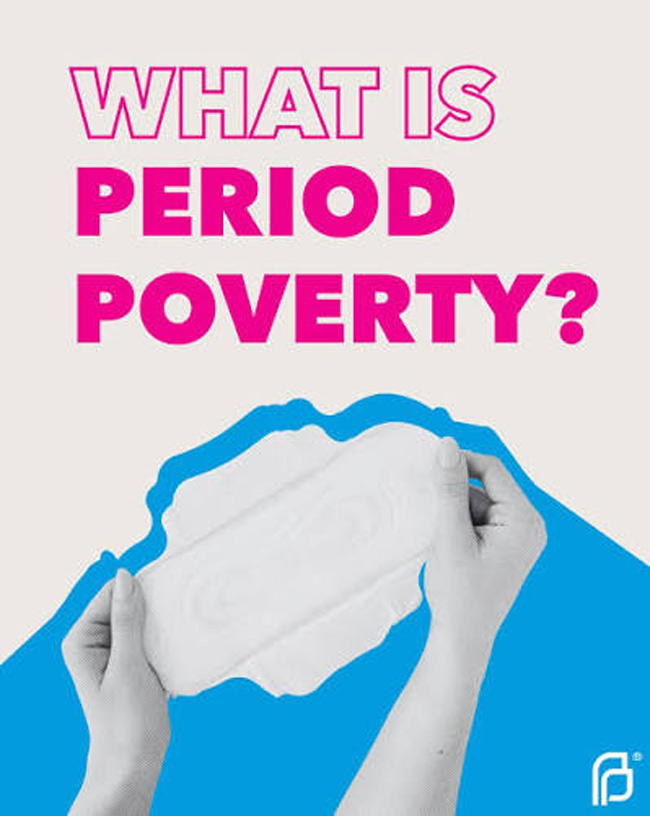
The American Medical Women’s Association defines period poverty as the inadequate access to menstrual hygiene tools and education. In North Texas, one in four teenagers struggles to afford period products. Without access to proper supplies, students improvise with wadded-up toilet paper or wear pads and tampons for longer than recommended, exposing themselves to severe infections like toxic shock syndrome.
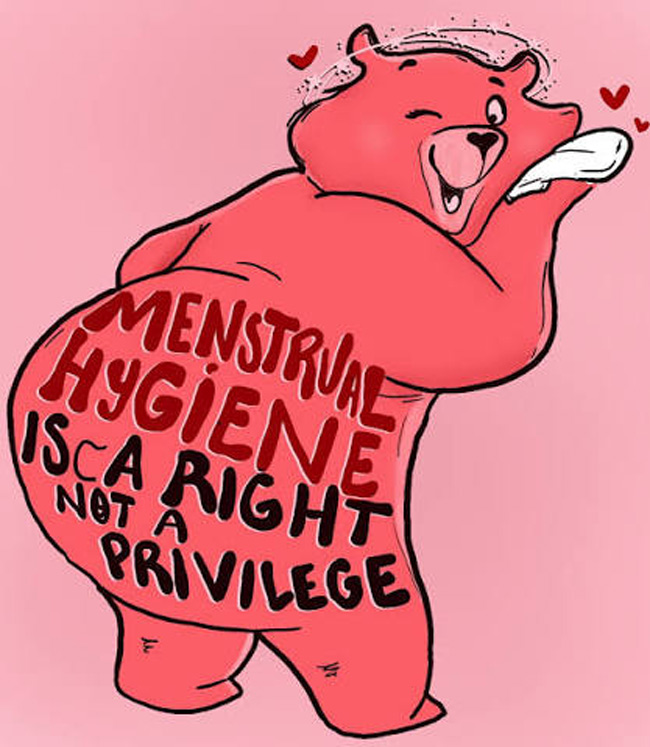
In Texas, one in three low-income students regularly misses school for not having enough supplies for periods. During back-to-school shopping, tight household budgets force many families to choose between buying groceries and essential hygiene products.

In the Fort Worth school district, more than 95% of its campuses qualify for Title I federal funding, which allows schools to allocate funds toward academic resources but rarely allows them to be used for personal-hygiene products. Fort Worth ISD does provide free menstrual products to its students, but this isn’t common practice across North Texas. In neighboring school districts, nurses and teachers buy menstrual products for students with their own money.
In 2023, the Texas Legislature passed SB-379, eliminating the state sales tax on menstrual hygiene products. Removing the “tampon tax” was a victory, but this alone doesn’t make products more affordable. Texas doesn’t require free period products in public school restrooms, though it’s mandated in 27 U.S. states and Washington, D.C. Sex education also isn’t required by state law. When districts do teach it in schools, conservative state guidelines favor abstinence-based teaching that rarely discusses basic reproductive health, leaving many students without information about their bodies.
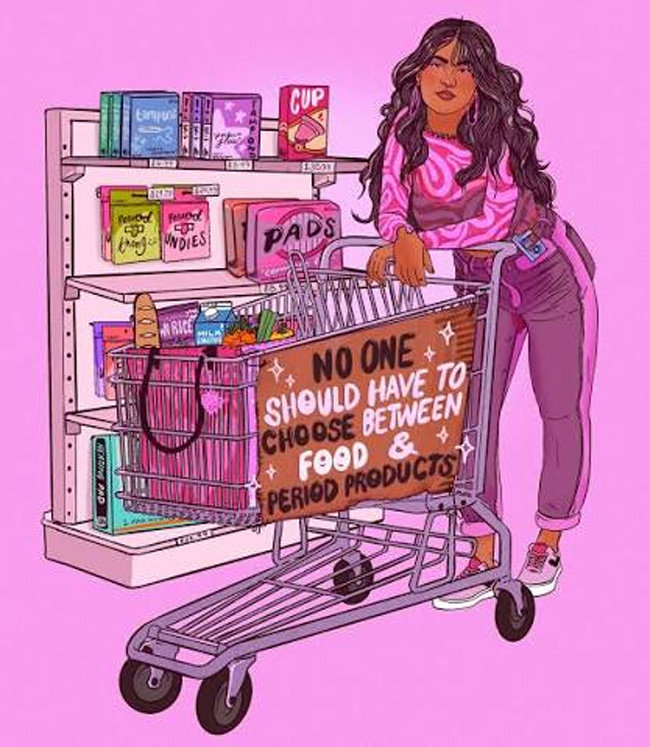
Courtesy Liberal Jane Illustration
One in six women and girls live below the federal poverty line, based on data from She Supply, a nonprofit that supplies free period products and undergarments to community members in need. Government assistance programs like SNAP and WIC explicitly prohibit people from purchasing menstrual products. For low-income families living in food deserts without reliable transportation, corner stores are the only option to meet everyday needs. However, local shops rarely maintain consistent stock and carry a limited selection of period products at marked-up prices. The costs aren’t sustainable, leading some desperate residents to resort to shoplifting.
There are multiple mutual aid and nonprofit organizations in North Texas actively combating period poverty. She Supply has successfully distributed more than 2 million hygiene products to more than 15,000 women and girls across North Texas, delivering supplies directly to local homeless shelters, food pantries, and domestic violence centers.
Fort Worth Community Collaborative (FWCC) provides free and dignified access to clothing, food, and hygiene products (including for periods). At their Camp Bowie location, they keep period kits on-site for anyone who needs them. FWCC will also host their annual Back-to-School Bash from 10am to 2pm on Sat, Aug 8 (8629 Camp Bowie West, Fort Worth, 817-382-2877), offering families free school supplies, food, haircuts, physicals, and eye exams.
Planned Parenthood of Greater Texas regularly hosts period-packing parties, assembling kits for local mutual-aid organizations like FWCC and Fort Worth Food Not Bombs. We also distribute period kits at our tabling events. These period-packing parties also serve as teach-ins, where we discuss topics like voter engagement and the upcoming midterm elections. Through Planned Parenthood Texas Votes, we travel to the State Capitol during active legislative sessions and speak directly with lawmakers about reproductive rights, so that more issues like period poverty can get addressed.
For me, advocating for my community through this work has been incredibly rewarding. It’s why I volunteer and what motivates me as a writer, because issues like period poverty deserve more attention and awareness, but they also require solutions. Until state representatives prioritize basic health care for our students, organizations like Planned Parenthood and She Supply will continue to step up and advocate for our community.
Courtesy Planned Parenthood