

Eerie sounds from a keyboard synthesizer. The random crack of a drumhead. A drum roll. Then, voices erupt: “Aaaaahhhh, watch out! You might get what you’re after.”
In an instant, the Talking Heads’ funk classic “Burning Down the House” is off and running at full gallop, carrying listeners along on its exhilarating ride that’s as fun to hear today as it was upon its release in 1983.
New York-based film director Oren Jacoby combines the energy of this track with eye-popping cinematography to grab the attention of theatergoers at the beginning of This Is Not A Drill, which has been touring film festivals since late 2025.

On Apr 30, the documentary about climate change will become available for streaming on YouTube.
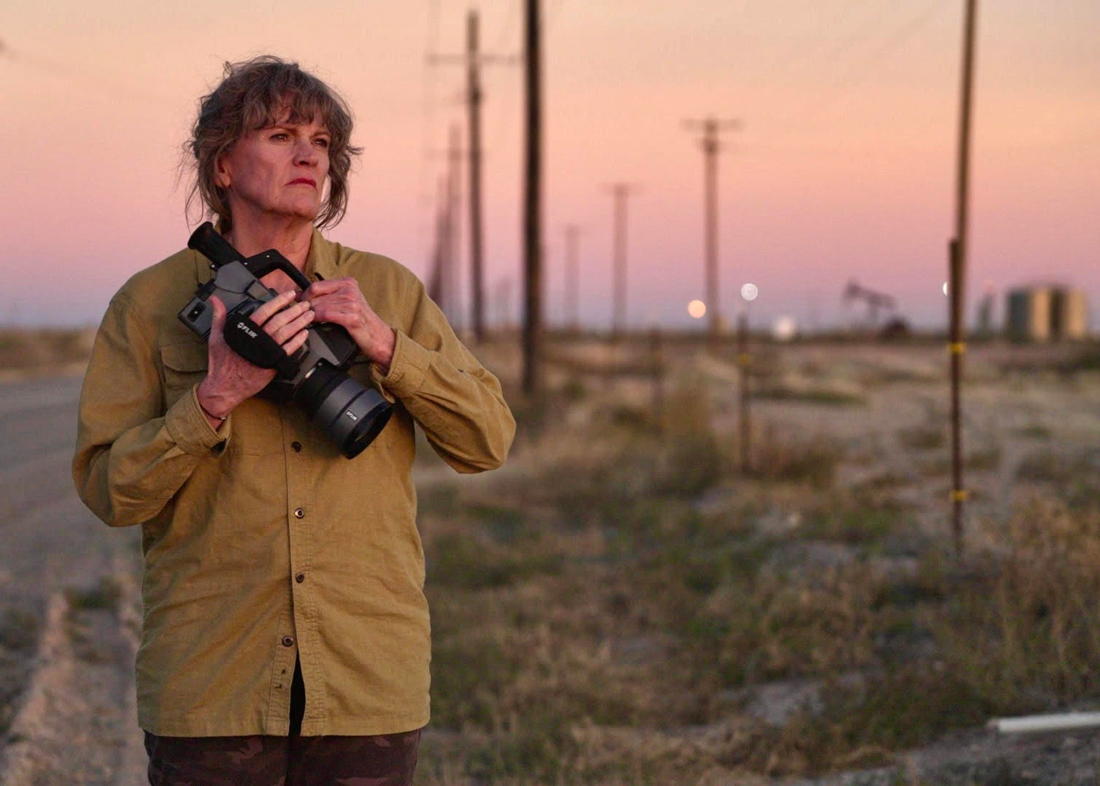
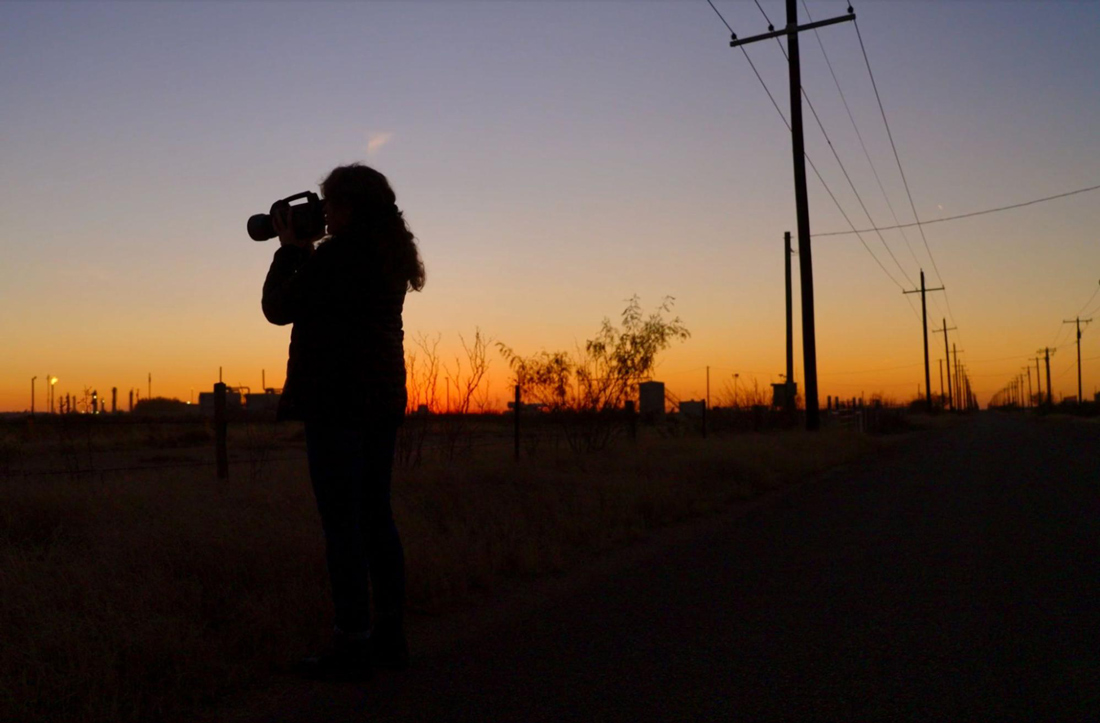
The film’s opening montage consists of quick edits of drillers in oil and gas fields with ominous skies in the background and iron pumpjacks churning along to the music’s beat and frantic lyrics, such as, “We’re in for nasty weather.”
It’s an effective way to start a movie.
On Mar 22, I sat third-row center at Campus Theater in downtown Denton, kicked back in a comfy seat, staring up at a huge screen. I was curious to see how this New York filmmaker would represent Sharon Wilson, a local environmental activist who once worked in the oil and gas business before speaking out against industry practices.
Courtesy Storyville Films
Also, I was curious to see my own aging mug on the big screen. Jacoby interviewed me during the making of the film because I had written several articles about Wilson’s exploits. Now, I’m one of those talking heads you see in documentaries.
At Campus Theater, waiting for the movie to start, I wondered whether the flick would be entertaining or snoozeworthy. Hearing “Burning Down the House” over the opening credits made me think, “Oh, yeah. This song rocks. So does the camera work. Cool editing, too. Hey, this movie’s the real deal.”
The song added instant familiarity and legitimacy and created a sense of excitement.
Jacoby had loved the Talking Heads for decades, ever since attending Rhode Island School of Design in Providence, where some of the bandmembers sought their early educations.
“I’m a big Talking Heads fan, and so I knew that song, and I knew the lyrics would be fun,” he said.
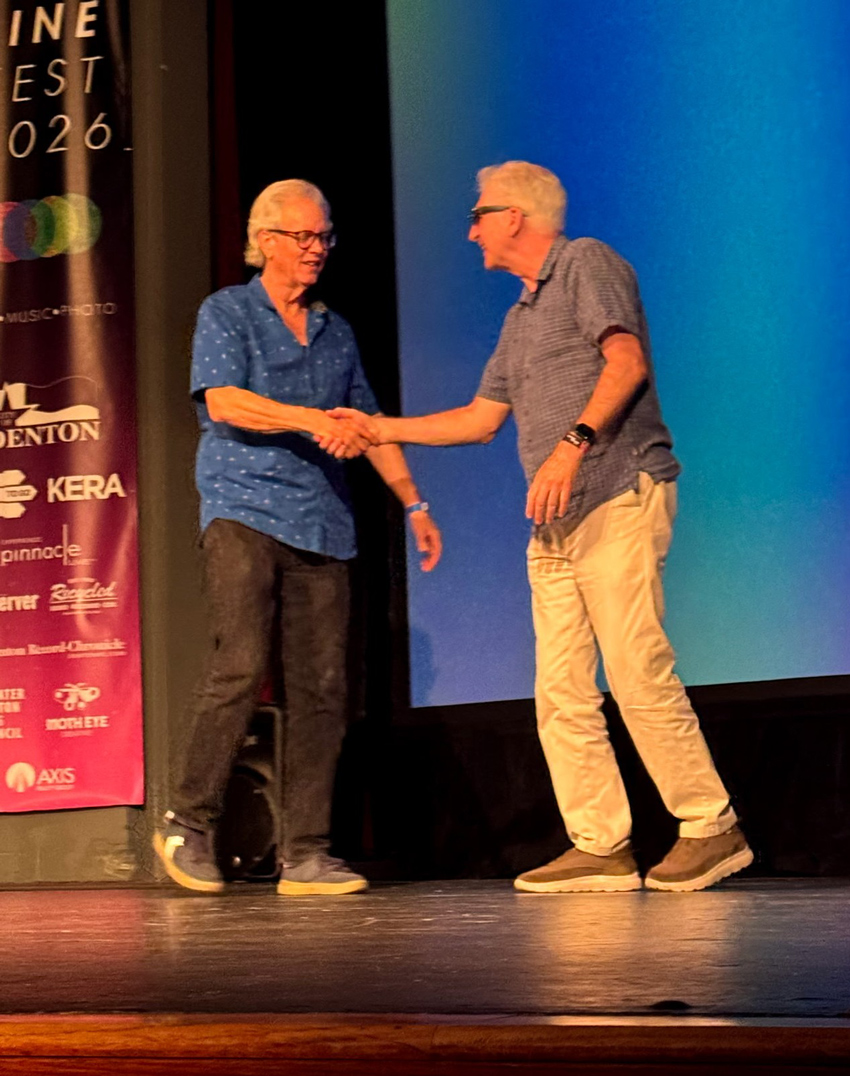
Jacoby’s film was the last shown at the recent five-day Thin Line Fest held in Denton. In addition to Wilson, the film follows two other activists, Justin J. Pearson, from Tennessee, and Roishetta Ozane, from Louisianna. Jumping back and forth between three different storylines in varying locations during the 80-minute film could have been confusing. Jacoby relied on music to signal the shifts.
Courtesy Storyville Films
“One of the cool things about this movie is that it mostly takes place in the American South, in different regions that have their own very distinct musical traditions,” Jacoby said.
He chose music that honored the character and feel of each area. “Bastard’s Lullaby” by Memphis musician Rick Steff carries viewers to Tennessee. “I’m On the Wonder” by zydeco artist Clifton Chenier, along with Irma Thomas’ rendition of the Bessie Smith-penned “Backwater Blues,” provide context and color to the Louisianna scenes.
To represent North Texas, Emmy Award-winning composer Joel Goodman created original instrumental music that includes elements of Texas swing, rockabilly, and Tejano. Goodman’s compositions provide the score for much of the movie alongside the more familiar songs.
Jacoby has relied on music to provide “emotional intensity” to his films since he became an independent director in the early 1990s, he said. In 2005, his film Sister Rose’s Passion was nominated for an Academy Award for Best Documentary Short Subject.
Sometimes, music is the focal point.
“I’ve made a bunch of documentaries about music,” he said, listing Benny Goodman, Duke Ellington, and the Beatles as previous subjects.
At film festival screenings, This Is Not a Drill ends with the upbeat music of “Everyday People” by Sly and the Family Stone playing over the closing credits. Securing the rights to the song for general release was too costly for the film’s budget, Jacoby said.
Instead, the movie will end with one of the instrumental compositions by Goodman.
“The Texas music, the rockabilly tune, is perfect for that place at the end,” Jacoby said. “I love the song. We had something that fit perfectly, so we’re in good shape.”