
May is Asian American and Pacific Islander Heritage Month, so instead of devoting this issue to Cinco de Mayo, we’re looking at the history of films made by and about these communities.
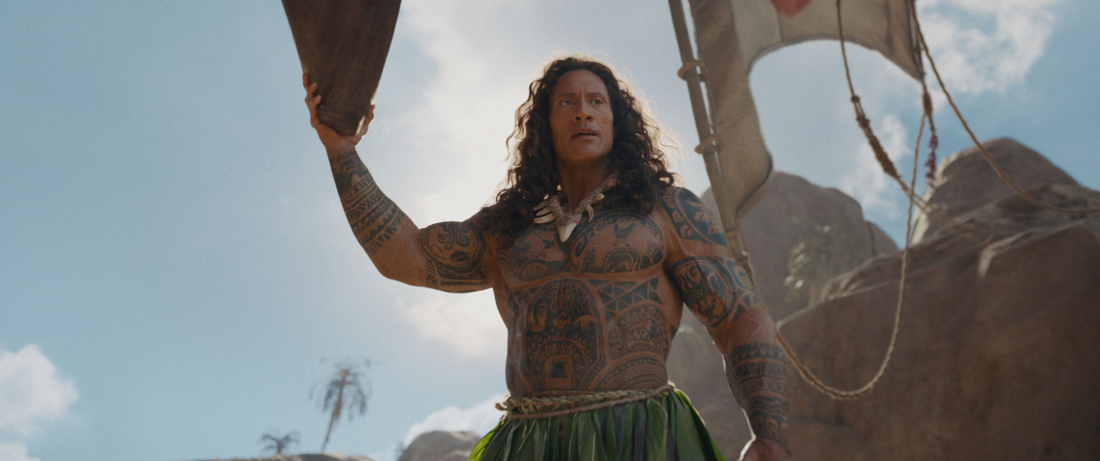
Since the Pacific Island communities have often been treated as an afterthought in this celebration, let’s start with them. The United States overthrew the Hawaiian kingdom in 1893, before filmmaking was even a thing, and mainlanders’ fascination with the islands’ colorful wildlife and tropical weather resulted in a surge of interest among moviegoers in the 1930s. This was not always for the good, as the native culture was portrayed only in the broadest terms in movies like Waikiki Wedding and Honolulu. This attitude would continue through later decades in Blue Hawaii and the film version of South Pacific, which cast Black and Asian actors as natives. More recently, attitudes have shifted thanks to stars such as Dwayne Johnson and Jason Momoa, as well as Disney’s animated and live-action takes on Lilo & Stitch and Moana.
Pacific Island culture has also been addressed from the other end, as New Zealand films filled the gap where more remote islands lacked the resources or technological know-how to make films about their own cultures. The late Lee Tamahori’s Once Were Warriors tackled substance abuse and domestic violence among the Māori people of New Zealand, which made that 1994 film far more interesting than his Hollywood action-thrillers of later years. On a lighter note, Niki Caro injected notes of Māori folklore into her 2002 film Whale Rider, while Taika Waititi won a global following with comedies such as What We Do in the Shadows and Hunt for the Wilderpeople, even bringing his native tribe’s signifiers into Thor: Ragnarok by introducing the character of Valkyrie wearing traditional tā moko (facial tattoos).
You may be surprised to find that not only Asian-American actors but stars date back to the silent-film era. The beautiful Sessue Hayakawa made a decent living as a dangerous but alluring Japanese villain before the outbreak of World War II gave his career additional momentum with the need for actors to play enemy military officers. Similarly, Anna May Wong played stereotypical roles onscreen at the same time that she became a fashion icon, embracing the flapper look popular in the 1920s. The 1930s were the heyday of the Fu Manchu films, with various (white) actors portraying the evil criminal mastermind, and also the peak of the Charlie Chan movies, in which Swede Warner Oland, then American Sidney Toler portrayed the detective who spouts fortune-cookie wisdom while solving murder mysteries.
More layered Asian characters came in during the latter decades of the 20th century, when some native-born Asian filmmakers such as Ang Lee, Mira Nair, and Chloé Zhao trained in America and subsequently made films in this country. Hong Kong’s Wayne Wang offered a shaggy comic update on Charlie Chan with his 1982 black-and-white mystery Chan Is Missing. A decade later, he found an even broader audience with his panoramic portrait of Chinese-Americans in Northern California with his adaptation of Amy Tan’s The Joy Luck Club. The success of these paved the way for more contemporary takes on immigrant stories like Crazy Rich Asians and the Oscar-winning Everything Everywhere All at Once.
But then, immigration isn’t the only subject for Asian-American filmmakers. Gregg Araki’s Teenage Apocalypse trilogy of the 1990s explored sexual fluidity among disaffected young people; James Wan helped inaugurate the torture-porn horror wave of the early 2000s with Saw; and M. Night Shyamalan’s horror exercises took him from box-office darling to critically reviled and back. On the other hand, Jon M. Chu has become one of Hollywood’s premier musical directors on the strength of In the Heights and the two Wicked films, and part-Japanese Destin Daniel Cretton transitioned easily from the low-budget drama of Short Term 12 to the Marvel superhero adventure Shang-Chi and the Legend of the 10 Rings.
Asian-American artists have been all over animated movies for kids, too, from Jennifer Yuh Nelson in the Kung Fu Panda films to Domee Shi in Turning Red to Maggie Kang in KPop Demon Hunters. The diversity of these films has made our multiplexes better places to be. Anna May Wong would have been pleased.