

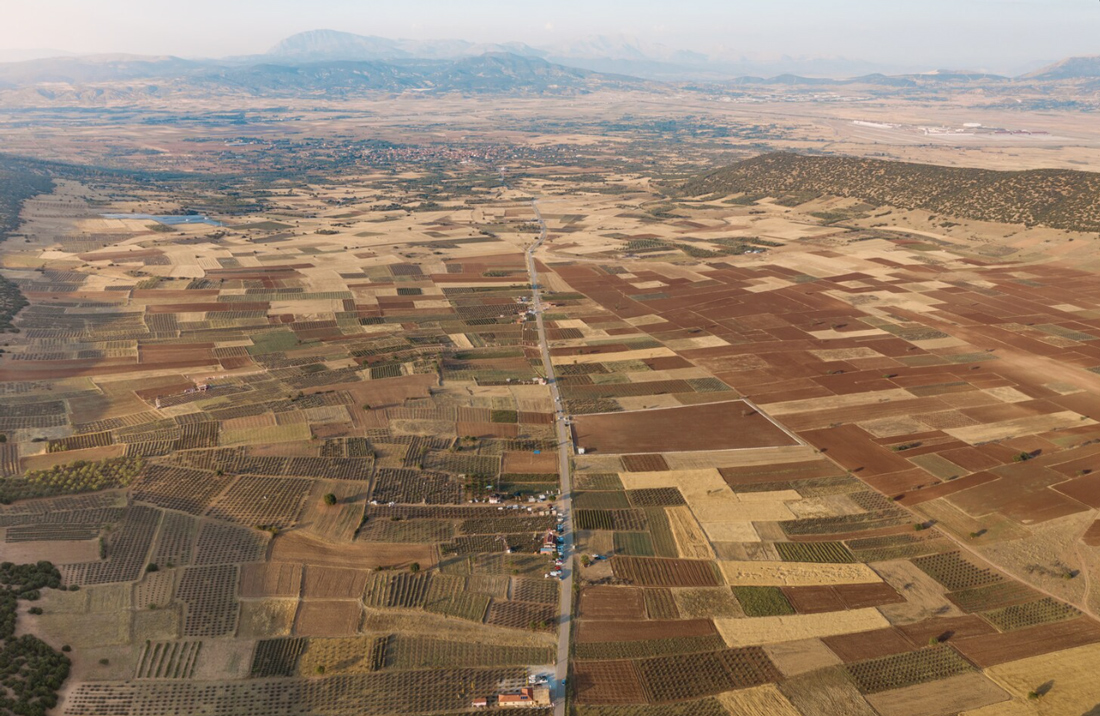
A Texas property sale can look simple at first. The buyer likes the land. The seller likes the offer. Maybe the place has a small house, a barn, a stock tank, a gravel road, and a few old fence lines that need work. Then the title work comes back, and one old sentence about minerals changes the deal.
It is not always a big fight. Sometimes it is just confusion. The seller thought the land came with everything. The buyer thought the same thing. Then the paperwork says the minerals were kept by someone else years ago, or split up in a way nobody explained at the start.
In Texas, that kind of thing still matters. Land may look quiet from the road, but the records can be busy.

The Land on Top Is Only Part of It
Most buyers start with what they can see. They notice the house first. Then the driveway, the pasture, the trees, the barn, the water, and how far the place is from town. Around Fort Worth, they may also think about traffic, school districts, road growth, and what nearby land may become.
Minerals are harder to picture. They do not show up in listing photos. A buyer will not notice them while walking through the property. But they can still change what is being sold. In Texas, the surface and the minerals can be owned by different people. A family may own the land and still not own everything below it.
In Texas, the surface and the minerals can be owned by different people. A family may own the land and still not own everything below it. That split may have happened through an old deed, a sale, an inheritance, or a reservation from decades ago.
That is how a normal sale starts to slow down. The buyer asks what is included. The seller checks the file. Then everyone realizes the answer is not quick.
Fort Worth Knows the Backstory
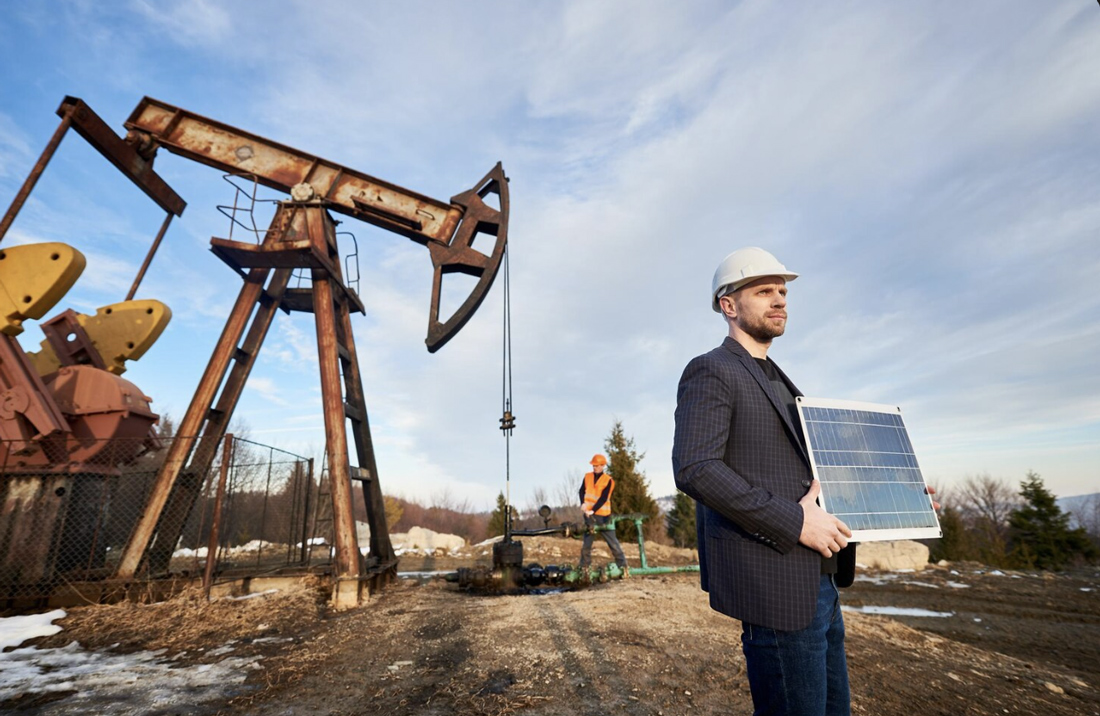
Fort Worth has been through this before. The Barnett Shale years brought gas leases, royalty checks, drilling rules, neighborhood meetings, and plenty of arguments about what should happen near homes. People talked about wells in city meetings and at kitchen tables.
Even now, old mineral language can still sit in property records. A tract may not have a rig nearby. There may be no trucks, no noise, no visible sign of drilling. Still, the history can be there in the deed.
That is why mineral questions can show up in normal real estate deals. A buyer may be looking at acreage near a growing road. A seller may be thinking about family land. The title company may be looking at a much older story.
For some owners, the land sale brings up a separate question about the mineral side. Some start reading about selling mineral rights in Texas before they list the land or settle a family decision. Not because selling is always the answer. Sometimes they just need to know what they actually have.
Old Paperwork Causes Most of the Trouble
Mineral problems usually start in dull places. A deed. A probate file. A lease copy. A folder in a closet. A courthouse record that does not match what the family always believed.
One document may say a past owner kept half the minerals. Another may show that a lease was signed years ago. A probate file may be missing something. One relative may remember royalty checks. Another may say nobody has received anything in years.
None of that means the deal is bad. It just means the deal needs more work. The title company may ask for records. The buyer may ask for clearer wording. The seller may need to call relatives, search boxes, or get help reading old documents.
That kind of delay changes the mood. A buyer who was ready to move may start waiting. A seller who expected a clean closing may feel stuck. The land is still the same land, but the deal feels less steady.
Price Can Get Weird Fast
Minerals can make price talks harder because each side may be looking at the property in a different way. A buyer may care about what can be used right now. The house, road access, pasture, barn, water, and location.
The seller may be thinking about those things too. But if there has been drilling nearby, old lease activity, or talk about royalties in the area, the seller may also think about what sits below the ground.
That can create a gap. The buyer sees land. The seller sees land plus possible mineral value. If the minerals are not included, or nobody can prove what is included, the price can start to feel less solid.
A basic look at mineral rights value can help explain why acreage is not the whole story. Location, lease terms, production history, nearby activity, and clean records can all matter.
Keeping the Minerals Is Common
Some sellers want to sell the surface and keep the minerals. That is not strange in Texas. It can work fine if it is clear from the start.
The problem is when the buyer learns it too late. They may still want the property, but they may look at the price differently. They may ask for a change in the contract. They may need more time to think.
This comes up more with rural land, ranch tracts, and older family property. Buyers want to know what comes with the place. Water, access, buildings, fences, and rights all matter. If minerals are staying with the seller, that should not be buried in the fine print.
Better to Find Out Early
Mineral ownership does not have to ruin a Texas property sale. It just needs to come up before everyone is already tired, rushed, and waiting on a closing date.
The smoother deals usually have fewer guesses. The seller knows what is being offered. The buyer knows what may be missing. The title work matches the story people have been told.
Texas land carries a lot of history. Some of it is easy to see in barns, gates, old roads, and fence posts. Some of it sits in deed language nobody thinks about until a sale starts. The better deals are the ones where both kinds of history get checked early.