




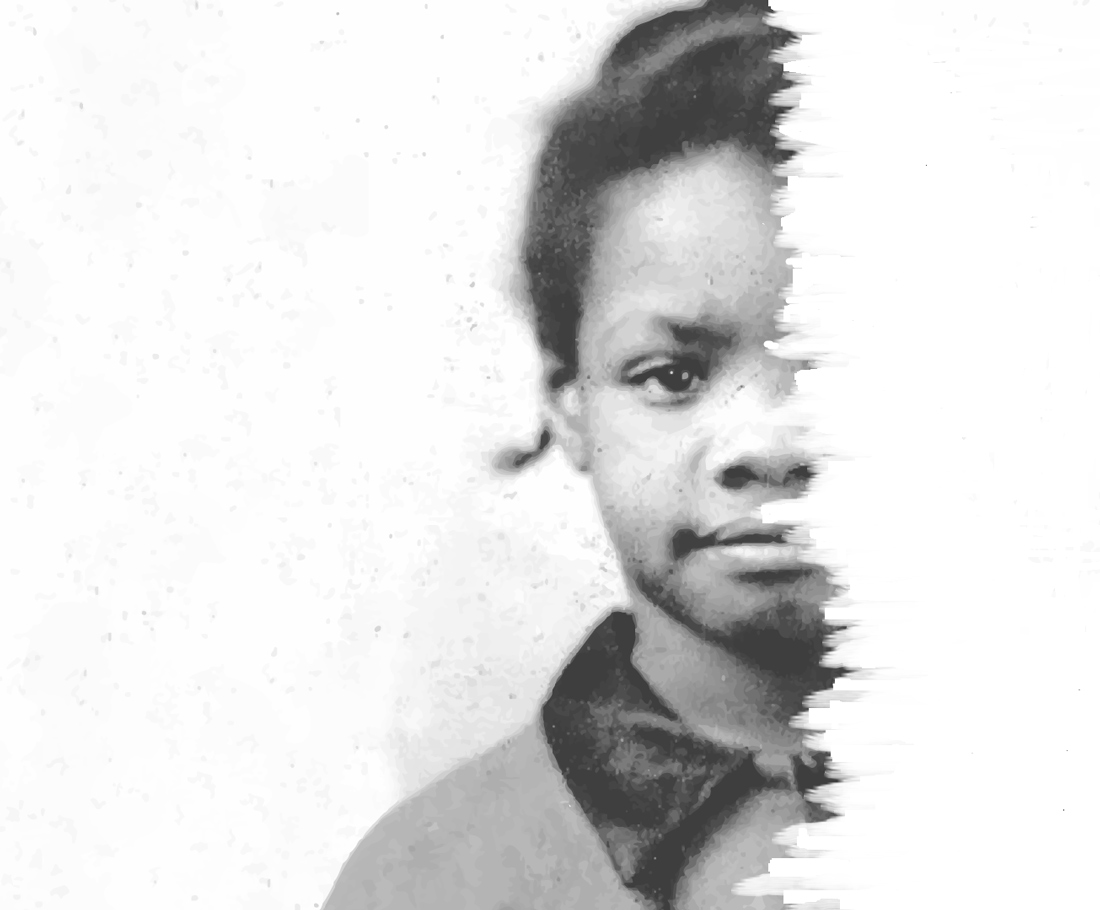
“Whited out” used to describe using Liquid Paper to cover up or “white-out” a space on a story or piece you were writing on a typewriter.
The term predates computer/Word processing and/or writing and dot matrix or laser printing. Those were the days — but not really.
Liquid Paper went the way of the milkman, pagers, Rolodexes, and, still scary, maps. Heck, kids don’t even write anymore really. At least without AI.

But there was a time. And there was even a time when kids, students, and adults read. Actual books even.
It’s true.
It’s also true that white-out has come to mean something else. Like what many conservatives would like to have seen done to the recent Super Bowl halftime show.
It’s a bad look, flagrantly un-American, but the equivalent of the 1980s mullet. Conservatives just can’t quit it. They love whiting things out.
The most recent place I’ve noted it is in school libraries. This past October, PEN America, an esteemed nonprofit dedicated to protecting free speech, updated an index of banned books that suggests a dystopian fixation that has seized many school districts across America.
“Never before in the life of any living American,” the report states, “have so many books been systematically removed from school libraries across the country. Never before have so many states passed laws or regulations to facilitate the banning of books, including bans on specific titles statewide. Never before have so many politicians sought to bully school leaders into censoring according to their ideological preferences, even threatening public funding to exact compliance. Never before has access to so many stories been stolen from so many children.”
Ouch. Unless you’re a conservative (and you want everyone else to be whether they agree with you or not).
Two observations about PEN’s index are hardly shocking. First, Texas ranks second nationally with 1,738 banned books in only seven large districts. A considerable number of smaller districts are worse, but out in the sticks, folks hardly read anyway. Their voting preferences confirm this. Book banning is now common in Texas, so much so that the banning crowds are undermining their own slogans. There’s hardly anything left to “come and take” in Texas, except stupid. Which brings me to the second hardly shocking observation about PEN’s index. A large percentage of the banned titles involve LBGTQ+ narratives.
Which begs a question. Texas men are usually considered “manly,” cocksure and comfortable in their heterosexuality. And usually confident in their seed. But an unruly herd of Texas men (and women) are terrified of little Johnny becoming a Joanie and vice-versa. I’m surprised no one’s banned Billy Lee Brammer’s A Gay Place, which, curiously, is about Texas politics — but not the homoerotic aspects.
The less obvious but really conspicuous point here, however, is the white-out, the flagrant banning of Black and brown titles. The Color Purple by Alice Walker is banned. Beloved and The Bluest Eye by Toni Morrison are banned. Native Son by Richard Wright is banned. And I Know Why the Caged Bird Sings by Maya Angelou is also banned.
Makes sense in conservative Texas, though. On the list of the African-American Literature Book Club’s 100 Favorite African-American Books of the 20th Century, The Color Purple is No. 1, Beloved is 3, I Know Why the Caged Bird Sings is 5, and Native Son is 10. Never before has access to so many stories been stolen from so many children.
You’ll also find Cesar Chavez: Fighting for Farmworkers and Diego Rivera: Art of the People on the list.
Oh, and back to the fragile Texas male ego, The Handmaid’s Tale by Maragaret Atwood is also frequently banned.
It’d be nice to go back in a time machine just thirtysomething or so years back, when we weren’t ruled by conservative dullards, but H.G. Wells’ The Time Machine also appears on PEN’s Texas index, as does Anthony Burgess’ A Clockwork Orange (repeatedly), which is silly anywhere that the clock isn’t white and the time begrudgingly signified with Black numerals.
The PEN index doesn’t have to sum things up, especially during Black History Month.
White Texans seem to be becoming very uncomfortable in their own skin. It’s very thin.
This column reflects the opinions of the editorial board and not the Fort Worth Weekly. To submit a column, please email Editor Anthony Mariani at Anthony@FWWeekly.com. He will gently edit it for clarity and concision.






It’s concerning to see how book bans in Texas are disproportionately targeting stories that center Black authors and LGBTQ+ voices, while also removing classic literature from classrooms. These decisions don’t just limit access to diverse narratives—they shape what future generations understand about history, identity, and empathy. It’s a reminder of how powerful and dangerous censorship can be when it’s rooted in political agendas rather than educational goals.