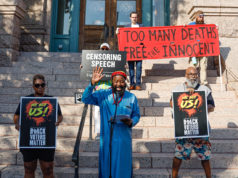


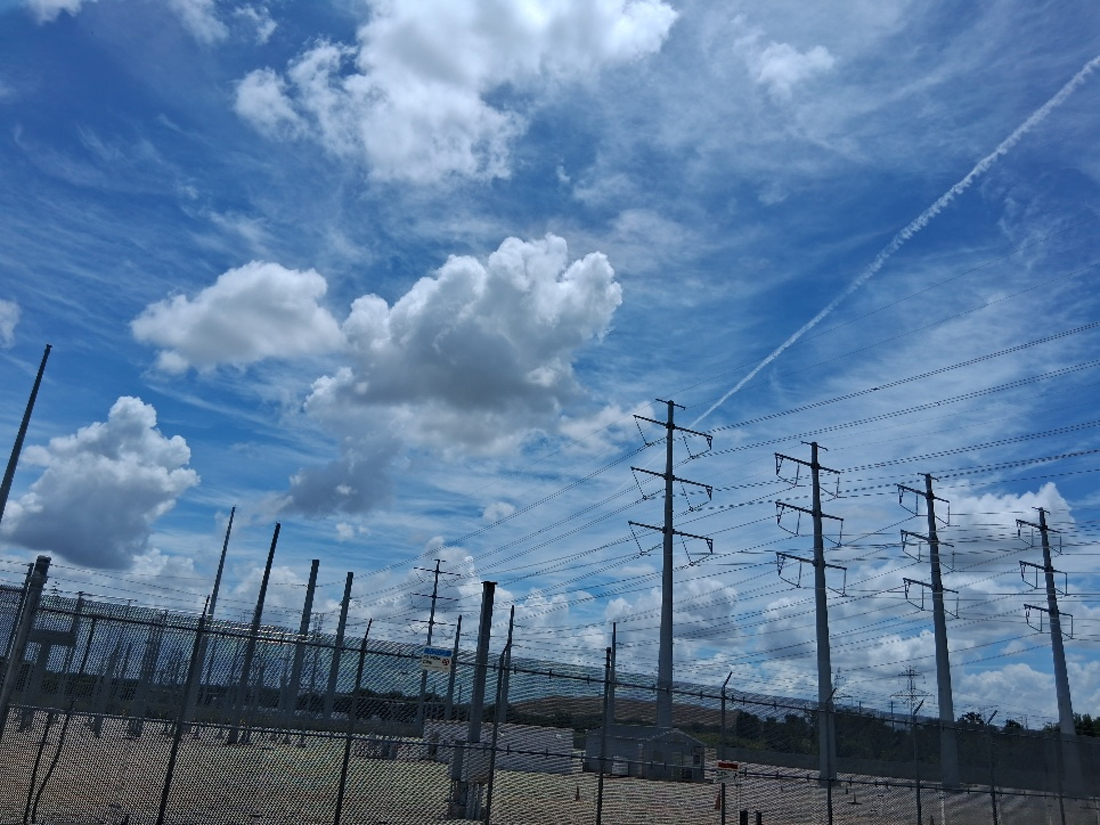
Nestled in Southeast Fort Worth, the historic Weston Gardens is a fixture of the community, providing locals an escape from reality. Sharply contrasting it, Southeast Fort Worth’s landscape is dominated by industrial infrastructure like landfills and truckyards, the heavy machinery stirring up dust and particulates into the air. Amid it all lies an established and predominantly Black community, with many generations of residents and local businesses proudly calling neighborhoods like Echo Heights and Stop Six home. It’s difficult to imagine that across the street from Weston Gardens, the Black Mountain energy consortium is proposing to build a massive $10 billion, 450-acre AI data center.
“The data center is the exact opposite of what our garden is supposed to represent,” said Andres Cortes of Weston Gardens.
As the proposal continues moving forward, many locals are pushing back against this unwelcome development. For residents, combating environmental racism within their community is an ongoing battle that’s been decades in the making. This controversy also brings attention to the broader national crisis of how industrial infrastructure is perpetually pushed onto marginalized communities, leaving many families to bear the brunt of the resulting health risks and inequities caused by government negligence. AI data centers are no exception to this equation, which raises the question: What does environmental racism look like now, especially in the era of encroaching AI data centers?

It’s no coincidence that Black Mountain chose Southeast Fort Worth as the potential home for its newest data center. In fact, residents are all too familiar with this strategy and have seen it play out before. It’s simply the latest chapter in an environmentally racist playbook that’s been impacting this community for decades.
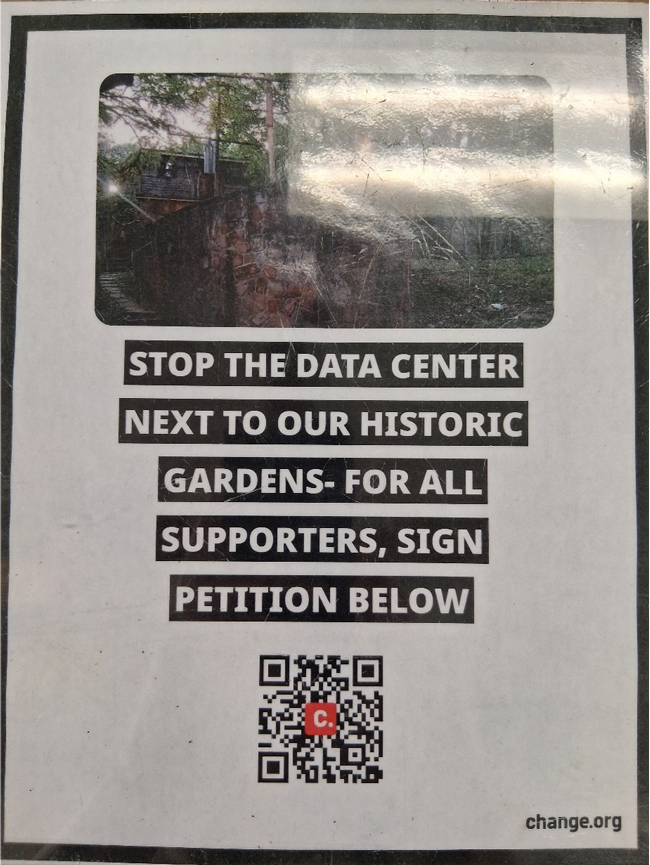
Photo by Amber Chadwick
Historically, Southeast Fort Worth’s Black families built a self-sustaining community for themselves despite the segregation at the time. However, when Fort Worth underwent a massive post-WWII population boom, the city needed to accommodate the increase, so civic leaders chose Southeast Fort Worth to be annexed for industrial purposes because the land was cheap and political resistance was grossly limited. Because Black residents at the time lacked representation in local government, they were outvoted, and Fort Worth began mercilessly developing this community industrially. Throughout the 1940s and 1960s, Southeast Fort Worth became further solidified as an industrial zone through aggressive municipal rezoning. Now, Southeast Fort Worth is one of the most polluted and ecologically disadvantaged areas in the region.
In 2026, as the battle for environmental justice continues, it’s clear that the fight for the preservation of this community will not end anytime soon. With the proposal of Black Mountain’s grandiose data center, many residents of Southeast Fort Worth are incensed. We’ve seen how this has played out across the country and are well-aware of the risks. While the proposed AI campus is marketed as economic progress, this can be incredibly deceiving and isn’t worth the detriment to our city and environment. AI data centers use up our natural resources to keep servers cool and running. We live in a drought-prone region, and with larger AI facilities guzzling up to 5 million gallons of water daily, this affects the water pressure and quality within our homes. Data centers also siphon vast amounts of electricity from our state’s notoriously fragile power grid, which could also impact the utility bills of those who live closest to these facilities.
These data centers also run 24 hours a day, relentlessly humming and causing light pollution that will inadvertently make the lives of the people who reside in these neighborhoods a living hell, disrupting their sleep and causing mental anguish. What’s worse is that the backup diesel generators at these facilities routinely emit particulates into the air, which will astronomically impact the existing poor air quality within these communities and cause potential health problems for residents.
For community members in Southeast Fort Worth, health inequities pertaining to pollution-related illnesses are obvious. Since this is the most polluted and industrially burdened area in our city, residents disproportionately suffer from the highest rates of asthma in Fort Worth. Shockingly, one UT Southwestern study showed that Southeast Fort Worth has the lowest life expectancy rates in Tarrant County, with Black men in Echo Heights and Stop Six living an average of 10 years less than their counterparts of other races. Black Americans are also statistically more likely to die from pollution-related illnesses than white Americans.
“It seems like the city and Black Mountain have a death wish for the citizens of East Fort Worth,” said Letitia Wilbourn, co-chair of the Fort Worth Environmental Coalition of Communities (FWECC) and secretary of the Echo Heights-Stop Six Environmental Coalition. “They know the statistics, and they don’t care. It’s going to kill people.”
Wilbourn also expressed concerns about how this will impact not only adults but also newborn babies, children, senior citizens, and pets.
Courtesy Sierra Club of Greater Fort Worth
Understandably, many individuals have grievances about the toll that this proposed data center could have on these neighborhoods. Noise pollution is a chief concern for Stephan Sanchez, an audio engineer, forensic analyst, and prominent member of the grassroots group Tarrant4Change, who warned that this facility “is going to destroy the peace” and added that “the sound profiles of these neighborhoods will be gone.”
As Fort Worth City Council’s 11 a.m. meeting on Tuesday, June 23, rapidly approaches, the people of Fort Worth are making it clear that the problems with AI data centers need to be addressed. With Juneteenth here, the fight in Southeast Fort Worth takes on a whole new meaning. We are reminded of the indomitable people who came before us while also being reminded of the fight yet to come. We can’t truly celebrate the legacy of Juneteenth while knowing that our citizens are being systematically poisoned by industrial negligence. We cannot be complicit, because true freedom and justice cannot coexist with environmental racism. Collectively, we all must act now before this ecological impact becomes too much to bear.
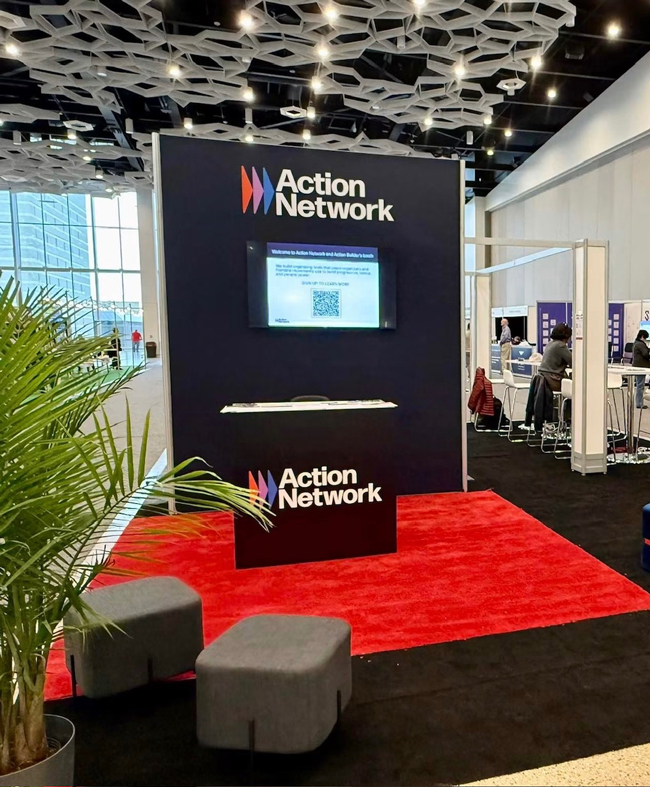
Search Change.org to sign Weston Garden’s petition. Search ActionNetwork.org to add your name to a petition about the Black Mountain Data Center in Fort Worth.
This column reflects the opinions and fact-gathering of the author(s) and only the author(s) and not the Fort Worth Weekly. To submit a column, please email Editor Anthony Mariani at Anthony@FWWeekly.com. He will gently edit it for clarity and concision.