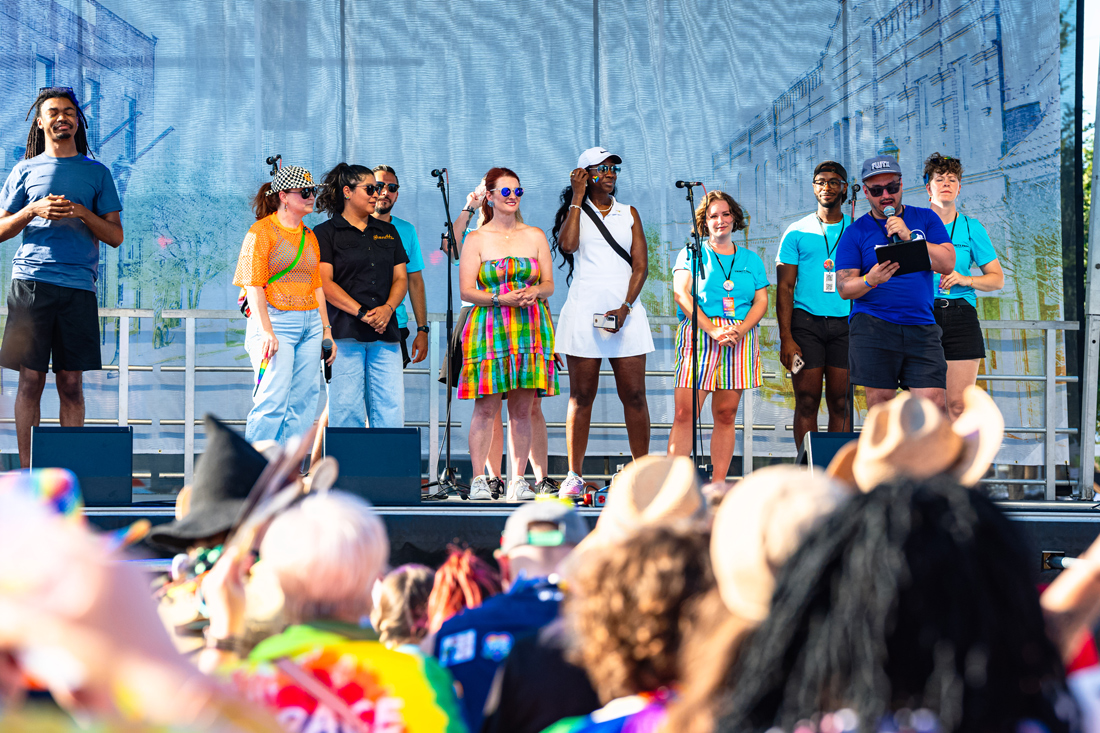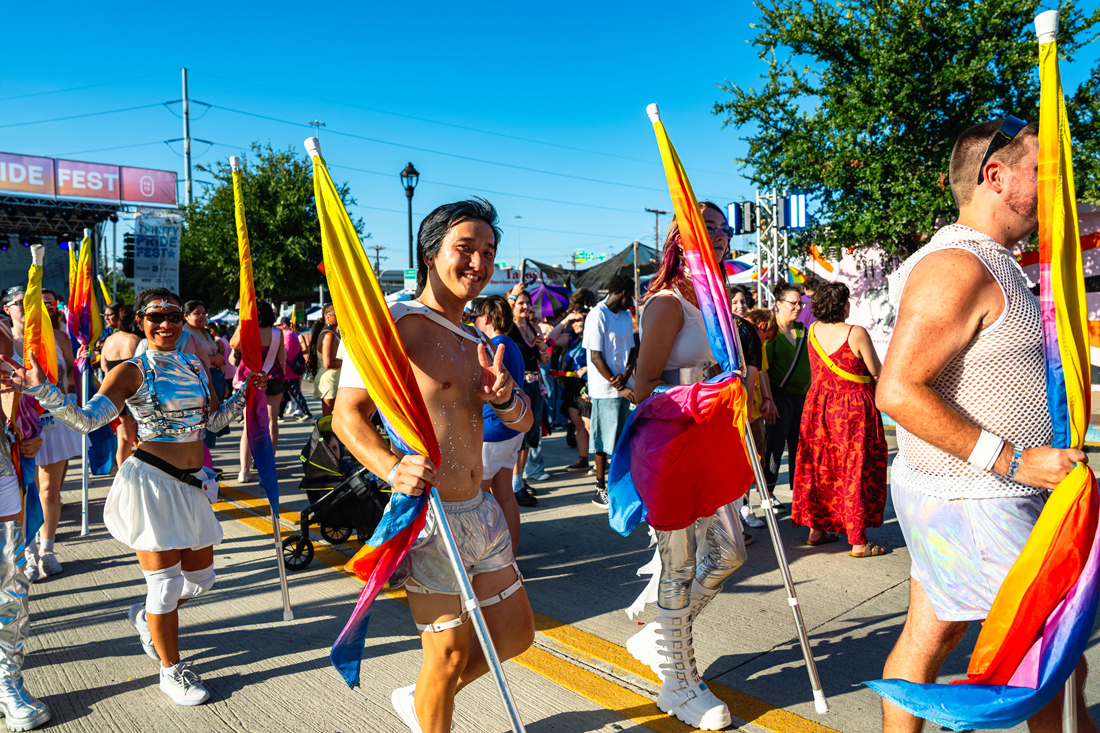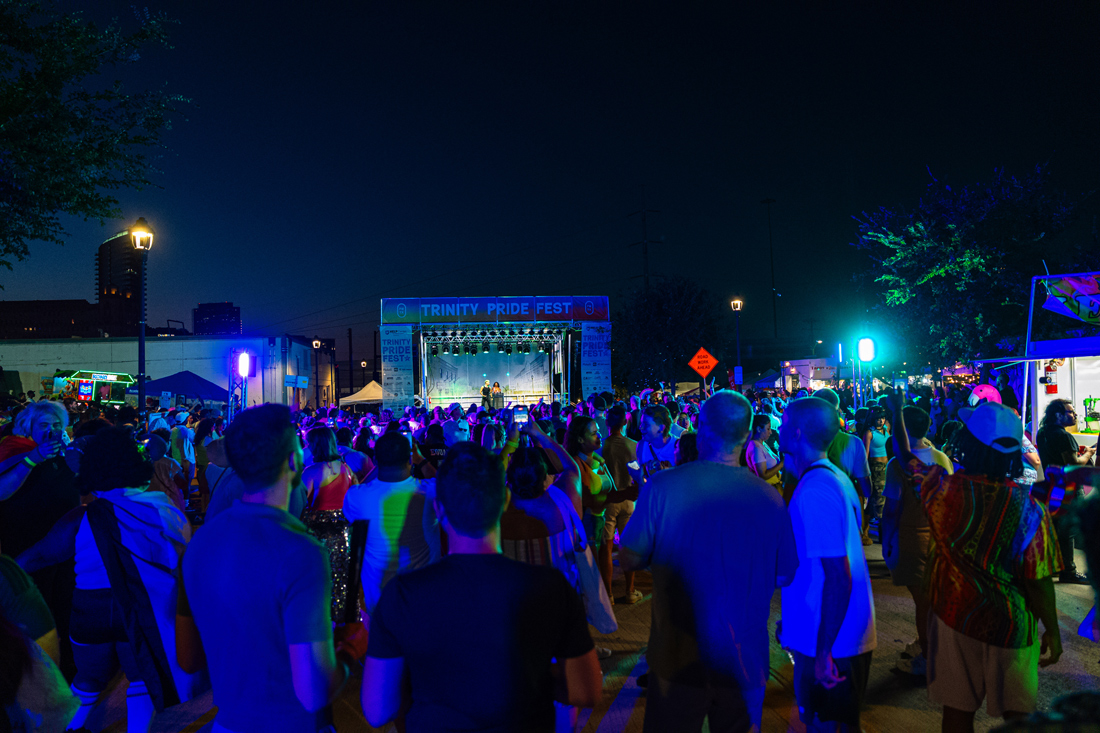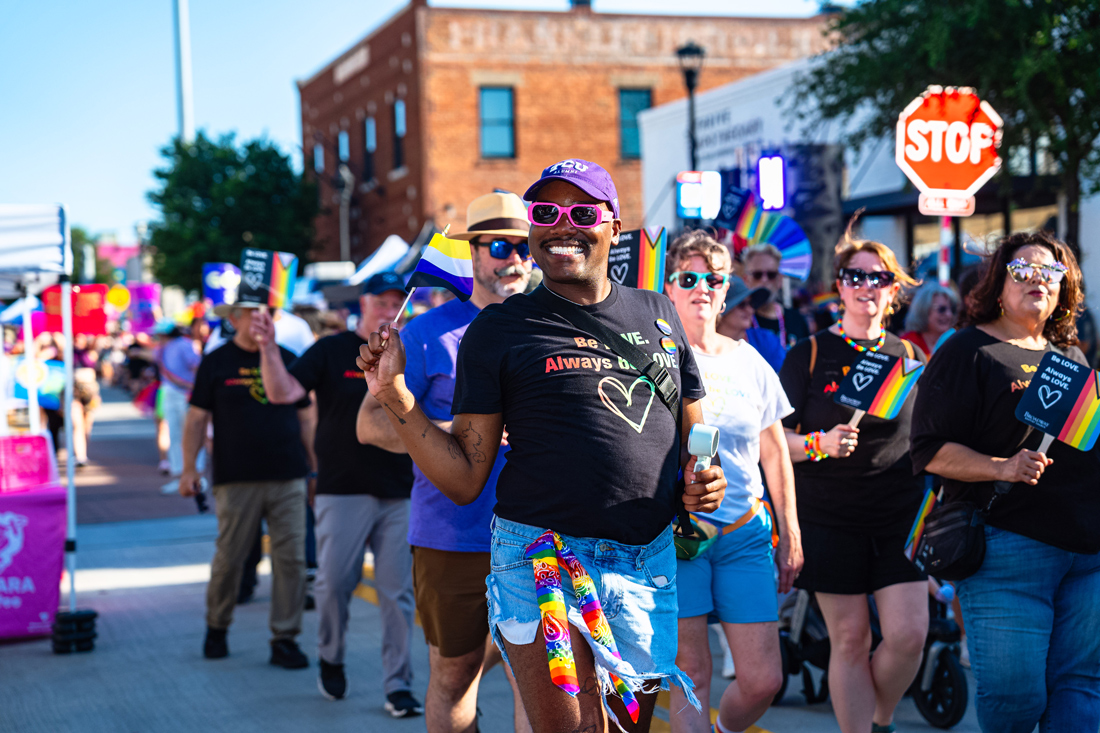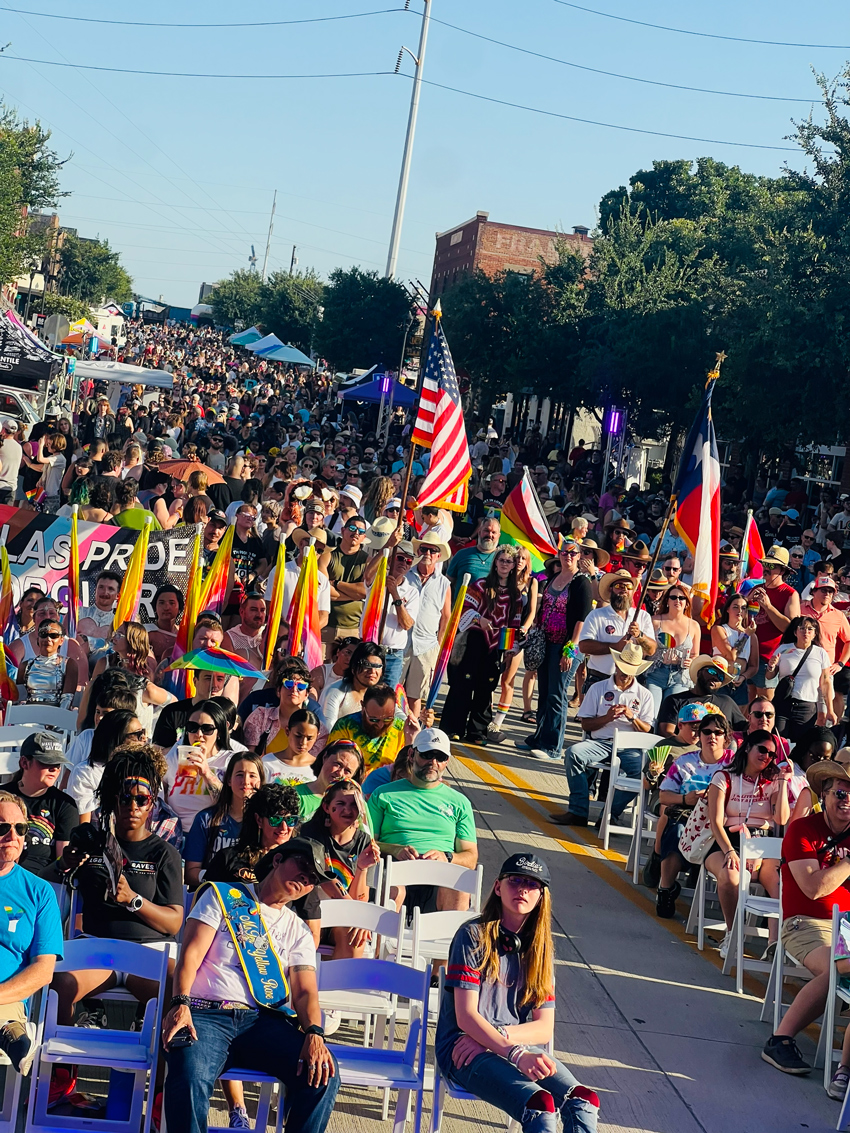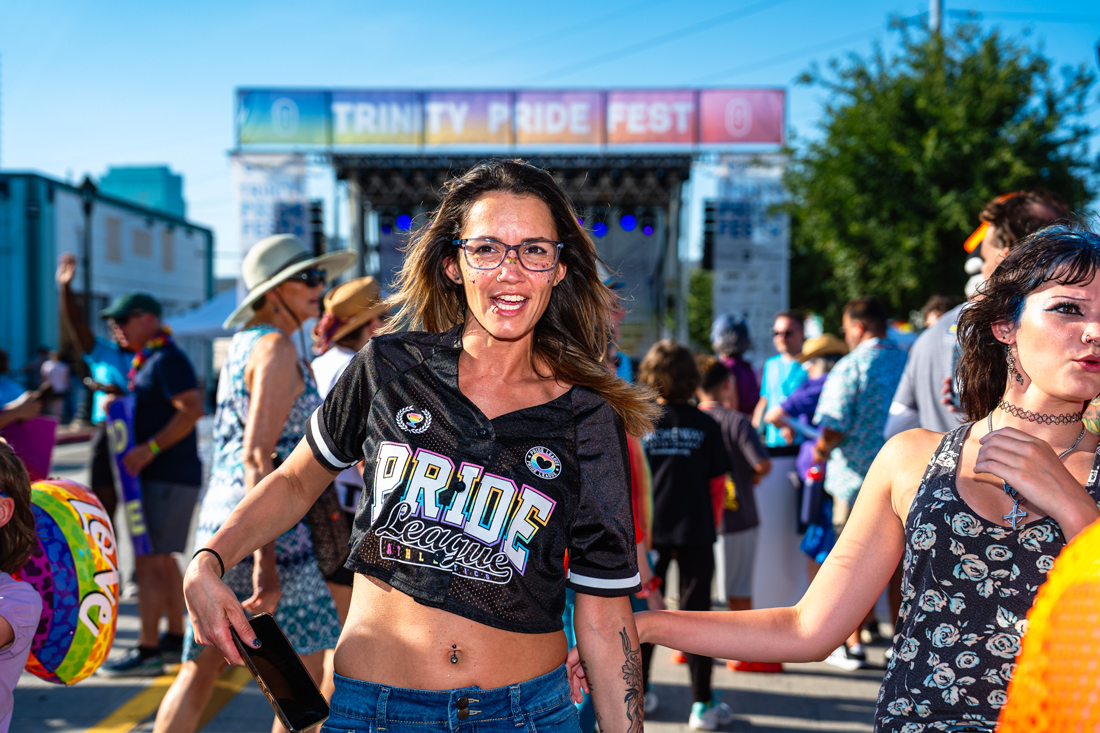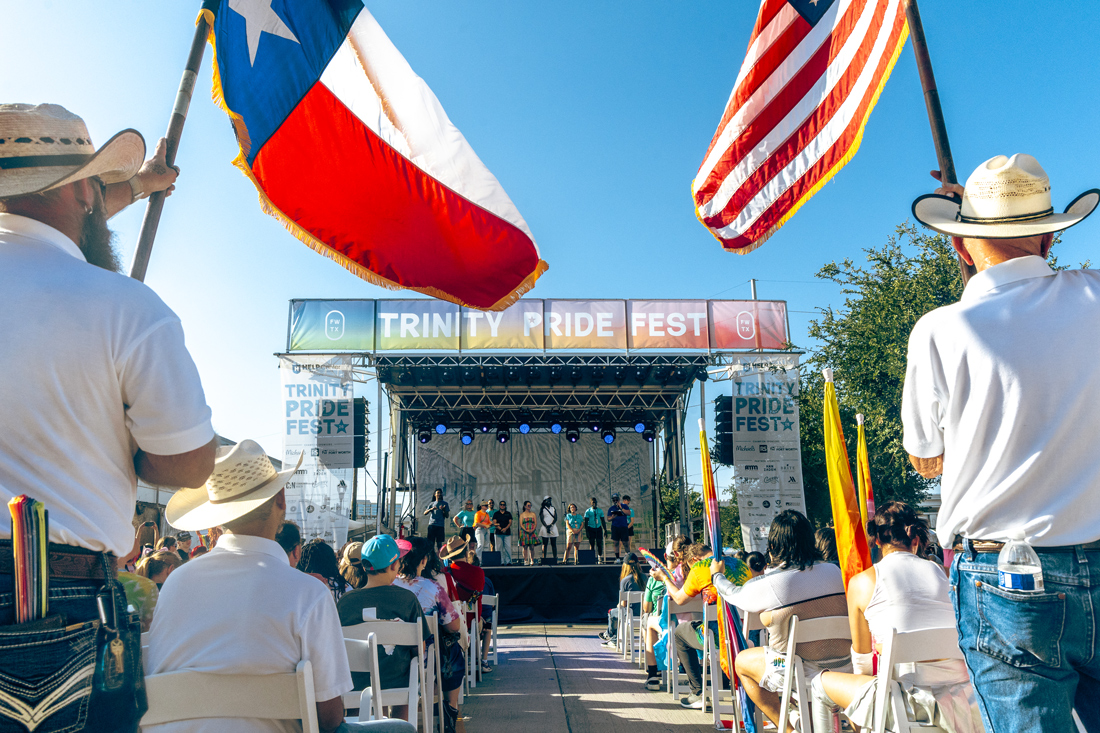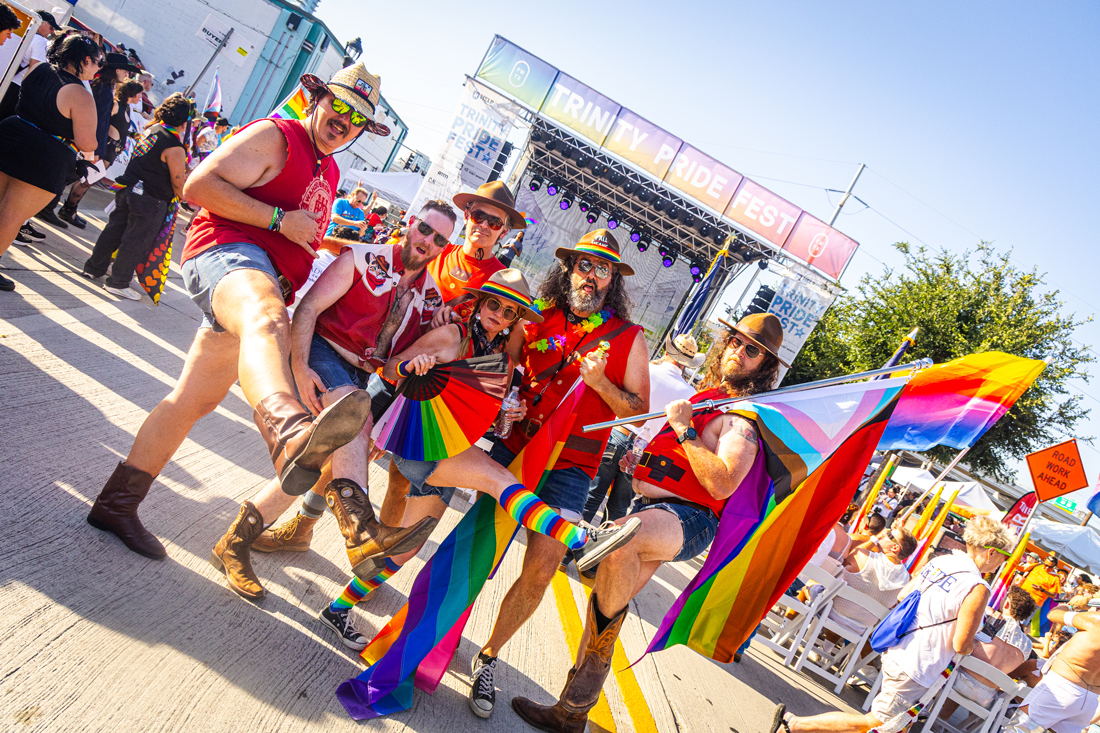

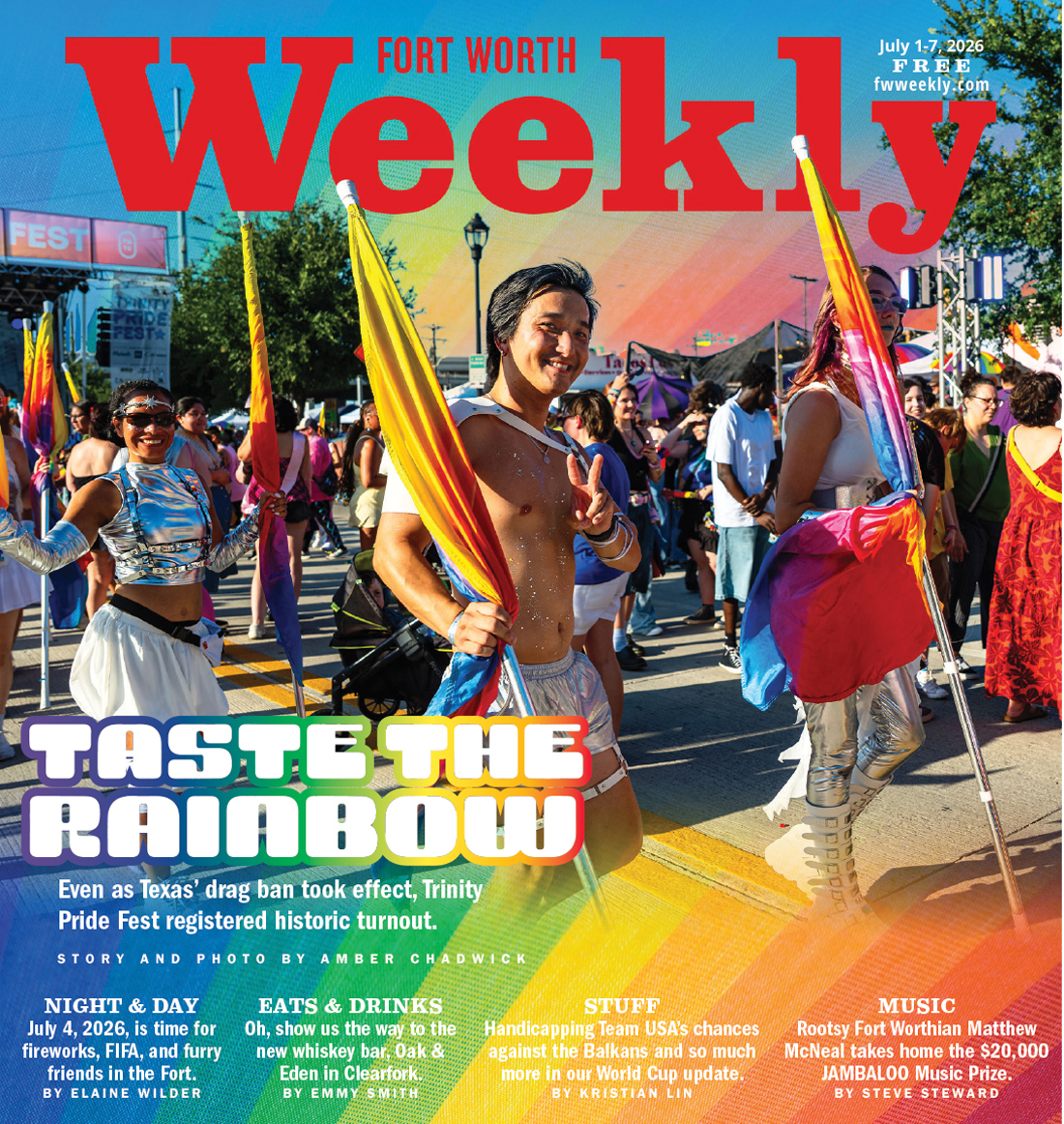
On Saturday, more than 7,400 registered attendees visited South Main Village to celebrate the sixth annual Trinity Pride Fest, becoming Tarrant County’s largest Pride celebration of the year. As banners and rainbow decorations lined the block, local bars, restaurants, and retailers welcomed the crowd. Many families frequent Trinity Pride Fest every year, with festival leadership anticipating the total turnout to surpass last year’s event. However, this year came with much higher stakes than the previous celebrations. The controversial SB-12 is officially law in Texas, now burdening Texas drag performers and small businesses with navigating this ambiguous new legislation. Drag is a time-honored artistic expression that isn’t going anywhere. Now, it’s vilified and ensnared in a political crossfire, leaving all the arts, as we know them, in jeopardy of further censorship.
Originally passed in 2023, SB-12 has been controversial since its inception. Immediately after Texas lawmakers approved its passage, the “drag ban” was deemed unconstitutional for multiple reasons by U.S. District Judge David Hittner, who issued a permanent injunction that blocked enforcement of the law. However, this safety net crumbled this March, when the hyper-conservative Fifth Circuit U.S. Court of Appeals lifted the injunction, allowing SB-12 to take effect. As a result, the new legal landscape is both murky and perilous. While nightclub and family-friendly drag performances remain legal in Texas, performances on public property which are deemed “sexually oriented” in nature while in the presence of minors now come with severe consequences. Under this statute, drag performers could be criminally liable, facing Class A misdemeanors punishable by up to $4,000 in fines and a year in jail. Businesses that host these drag performances could face civil liabilities in excess of $10,000.
While the law itself doesn’t explicitly state the word “drag,” critics and community members agree that there’s little question as to what this tacit implication is alluding to. Brian Klosterboer, senior staff attorney at the ACLU of Texas, warned that “the law’s vague and sweeping provisions still create a harmful chilling effect for drag artists and those who support them,” effectively transforming what’s protected artistic expression into a legal minefield.
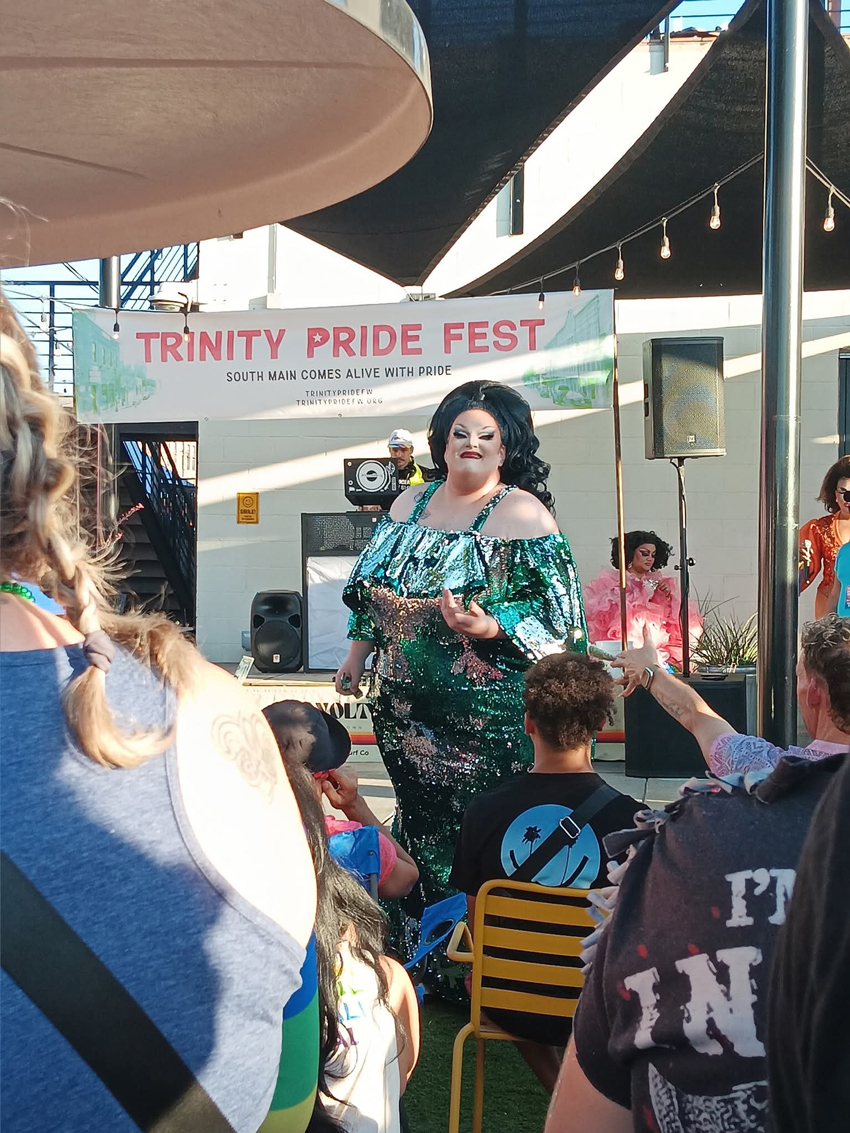
Photo by Amber Chadwick

It’s what’s unsaid that makes SB-12 so insidious. This law uses heavily subjective language that criminalizes public displays of “sexual gesticulations” or actions that could appeal to a “prurient interest,” and it’s all left entirely up to individual interpretation. Because these terms mean different things to different people, this statute invites further discrimination. SB-12 also extends across the performing arts, putting numerous actors, artists, cheerleaders, and dancers at risk of penalization, depending on how the law is interpreted and enforced. This law is about censorship and control, jeopardizing the First Amendment rights of all Texans.
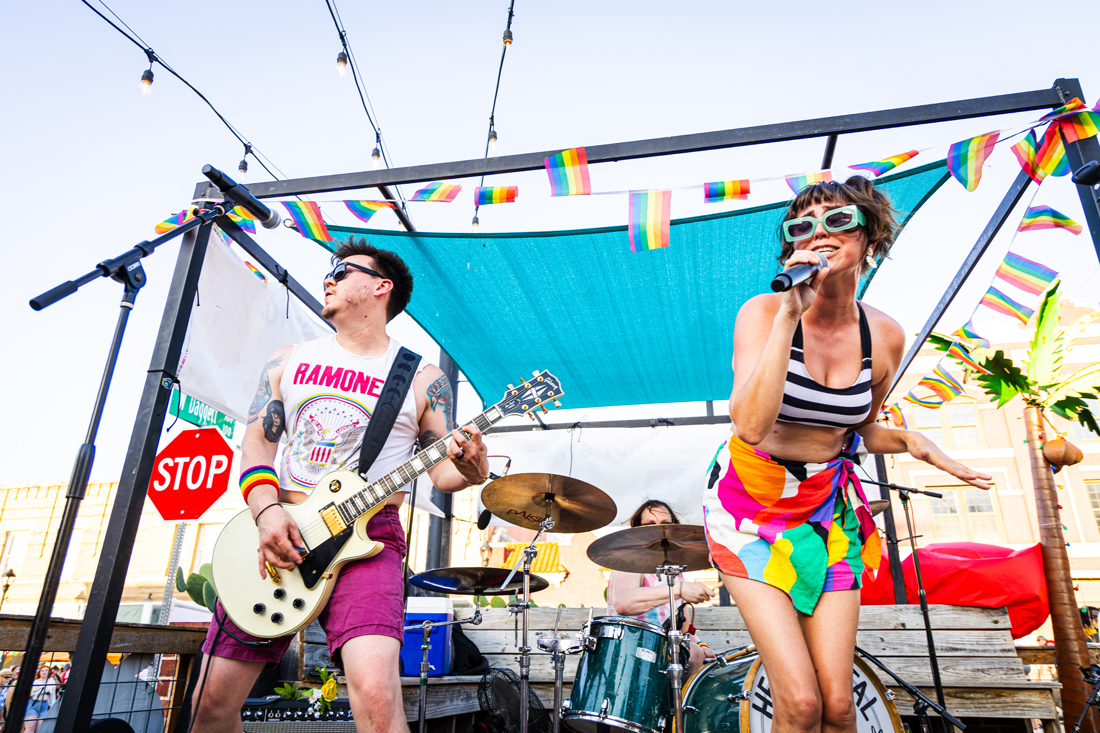
The businesses in South Main Village were deftly prepared for Trinity Pride Fest, not out of fear of SB-12 but out of sheer preparedness and ferocity. All it took was a series of calculated strategies and carefully curated itineraries designed to protect the community and the livelihoods of their businesses. Because Trinity Pride Fest is a family-oriented event at its core, with many generations of attendees coming out to celebrate, this schedule was protectively aligned with the festival’s standards while also remaining SB-12-compliant. Rather than backing down, businesses simply adapted. Mainstays like The Bearded Lady primarily featured live music on their patio, while HopFusion Ale Works and South Main District Salon hosted vivacious drag performances using the same vigilant blueprint. Through community resilience, South Main proved that artistic expression can’t easily be silenced. In the illustrious words of the ACLU of Texas and its co-plaintiffs, “Drag is not a crime. It is art, joy, and resistance — a vital part of our culture and our communities.”
Defying this wave of state-enforced censorship, countless LGBTQIA+ members and allies packed the establishments and streets at Trinity Pride Fest. Community members and the ACLU of Texas are actively fighting back against this unjust legislation, and with ongoing lawsuits underway, the fight for artistic expression continues.
Queer art is art and is a vital part of the culture of our city. Fort Worth may be where the West begins, but the people of South Main Village are conquering a new frontier that isn’t defined by the old ways. The hearts of this community cannot be tamed, and they stand in joyful opposition, refusing to be silenced in the face of aggressive legislation.
This column reflects the opinions and fact-gathering of the author(s) and only the author(s) and not the Fort Worth Weekly. To submit a column, please email Editor Anthony Mariani at Anthony@FWWeekly.com. He will gently edit it for clarity and concision.