

During the nine World Cup soccer matches at AT&T Stadium, a.k.a. “Dallas Stadium,” an estimated 4 million visitors will flow through Tarrant and Dallas counties, with the potential for 100,000 extra humans to be in our cities daily. From a public health standpoint, there’s a lot going on. Globally, there’s a resurgence of Ebola in three African nations. The extremely contagious virus can be transmitted through blood, sweat, and other bodily fluids. About three weeks into infection, the disease progresses from mild flu-like symptoms to vomiting, diarrhea, and internal hemorrhage.
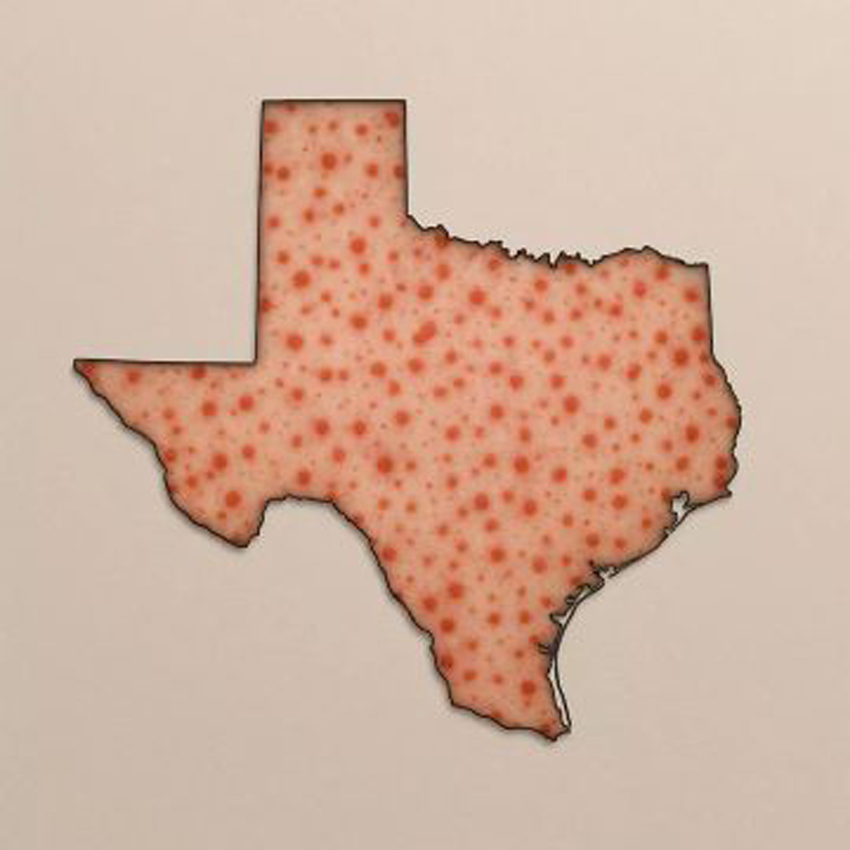
The Andes strain of Hantavirus making the news has the slightly terrifying ability to be spread person to person by respiratory secretions, and there are local upticks in measles virus (which is vaccine-preventable, but there are about 200 cases in Texas) and norovirus, which causes vomiting and diarrhea.
All these conditions can show up in our airport at any time, but the massive influx of essentially two AT&T Stadiums’ worth of air travelers –– daily! –– sounds like the perfect recipe for one of those sci-fi horror movies that begins with an outbreak and ends with zombies.

From a monitoring standpoint, the national response to anything epidemic-wise seems, putting it kindly, scattered. The U.S. Centers for Disease Control and Prevention (CDC) have fairly generic information on the main website –– it’s good hygiene info, but it does not address epidemiological emergencies. The federal Office of Pandemic Preparedness and Response Policy, founded in 2022 with bipartisan support to address the next big pandemic, was left rudderless and staff-less by the current presidential administration. And last week, Donald Trump and company issued an executive order for workers in public health –– epidemiologists, health scientists, and toxicologists –– that reclassifies these positions into “at will” status. In other words, the people who are most able to tell the public the truth about any health trends can get fired for doing so.
Courtesy Dallas County
That puts preparedness back onto the states and local jurisdictions like Fort Worth, Arlington, Dallas, and Houston. A professor at Georgetown University and director of its Center for Global Health, Science & Security, which is a partnership between the university and Medstar Health, Dr. Rebecca Katz has worked pandemic preparedness and pandemics for 25 years and currently heads the Health Security Operations Center, where, as she says, they’re trying to provide disease information in real time where it’s needed. Her team of epidemiologists, clinicians, emergency management professionals, and public health policy leaders are providing real-time technical guidance to state and local health departments.
Katz acknowledged the deficit of rapidly communicated information about epidemiologic needs within a single federal source specifically since the United States infamously pulled out of the World Health Organization. However, she remains optimistic that local health jurisdictions are well-armed and that there are private groups stepping in to assist in the epidemiological work of tracking people and infectious disease.
“Public health is a power delegated to the states in the U.S. Constitution,” she continued. “There are 48 affected jurisdictions. The number of people who work at the federal level has diminished, but that doesn’t mean there’s not federal response happening.”
According to the Texas Department of Health and Human Services, there are actually about 50 respiratory, food-borne, and insect-borne illnesses on the watchlist during the World Cup. That’s all in addition to the heat and humidity in North Texas, which routinely causes illness, plus there are sexually transmitted infections (STIs) not particular to soccer but that may increase with the number of people, parties, and unprotected sex.
At this writing, the state’s Center for Health Emergency Preparedness and Response is working alongside the organizing committee and plus officials from Fort Worth, Dallas, and Houston to assist in planning and monitoring. Regionally, Tarrant, Dallas, and surrounding counties also have a robust disaster task force in place for all the things that Mother Nature and anyone else has thrown at North Texas.
Chief medical director for Arlington Fire and AMR Arlington, Dr. Keegan Bradley said that the two-year lead-up to the event has been spent planning for and rehearsing almost every possible scenario, with a focus on summer injuries and ailments.
“There’s a lot of expectation, and I am excited,” he said. “No one does better at big events like this than Arlington. We’re prepared. We’re all clicking on the same page. I think our city’s ready for it.”
Because Tarrant County includes a football stadium, a baseball stadium, and a major racetrack in addition to an amusement park and a zoo, the potential for what Bradley called “the headline things” –– chemical or terrorist attacks or even just the Texas weather –– have warranted regional mitigation plans for years. What’s different here is the epic scope of population-migration mass during the FIFA events.
Bradley said that the World Cup governing board came to the table two years ago with some ready-made concerns. “FIFA came to us with a few topics to address and coordinate care, including heat mitigation, natural and manmade disasters, and crowd control issues.”
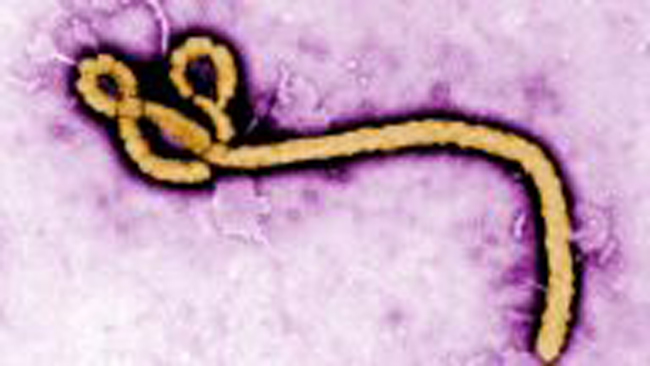
Courtesy CDC
The major issue that’s predictable is the heat of a Texas summer, more specifically, how to help tourists from places that don’t usually see 100-degree days manage during a long soccer match or an outdoor watching party.
“Dallas, Fort Worth, and Arlington wanted our responses to look uniform,” Bradley said.
To that end, all cities involved will have the goal of getting people hydrated and out of the environment as needed. In Arlington around the stadium, there will be multiple cooling structures staffed by paramedics and medical volunteers. Bradley also said there will be two field hospitals on-site for initial treatment of illness or injury to fans.
The price tag for all this is borne in part by the states affected and cost-shared by FIFA, along with federal grants to the cities that have agreed to host. Should a mass pandemic occur, though, no one knows who foots that bill.
“There is a need to integrate the private sector more fully as funding shifts,” Georgetown’s Katz said.
At press time, Tarrant County Public Health and DFW Airport had not responded to inquiries about how their entities are handling the multitude of epidemiological issues, including any health screening at the airport.
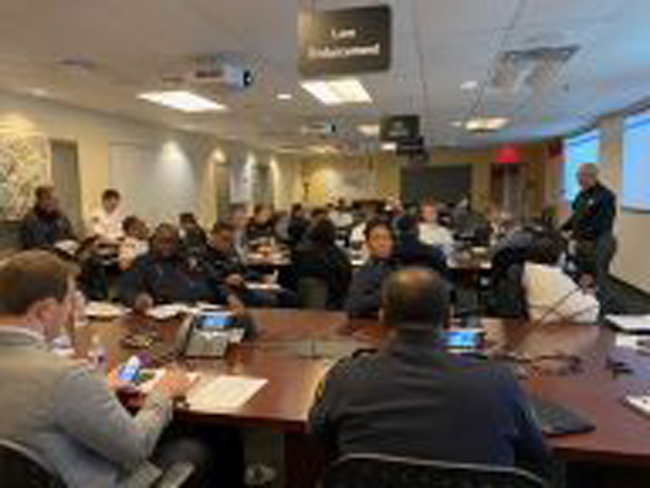
Director of Dallas County Health and Human Services and the Dallas County health authority, Dr. Philip Huang said Dallas’ new incident command will host state health officials, city partners, and other entities both virtually and in-person to monitor events in Dallas County. As far as monitoring, Huang said Dallas has stepped up wastewater monitoring, hand syndromic surveillance, and enhanced mosquito surveillance.
“Wastewater can detect things early, before symptoms drive people to the hospital,” he said.
This kind of surveillance doesn’t require tests to be reported to the state or county.
“It’s been very helpful for monitoring for Mpox and measles and early response,” Huang said
Huang said regional hospitals are also attuned to adding screening criteria, to be on the lookout to ask the questions about where people have been and if they’ve been to a FIFA-associated event.
Arlington’s Bradley confirmed that during calls to emergency medical services, medics will be asking more questions about travel and particular symptoms, and the emergency departments have access to an infectious disease team standing by.
And there’s another source for monitoring both illness and rumors. Dr. Katelyn Jetelina founded Your Local Epidemiologist in 2020 to translate ever-evolving public health science so that the average person could make evidence-based decisions. YLE’s team of scientists has been demystifying epidemiology for six years. YLE is deeply embedded in Katz’s Center for Global Health and Security response team, and you can actually take part in a monitoring initiative they’re calling The Pulse. Volunteers in the cities hosting World Cup events (like you) who are willing to anonymously submit episodic three-minute questionnaires electronically during the next several weeks will aid in real-time monitoring of trends, rumors, and possibly disease prevention. If you’re interested in participating in the YLE data collection, surveys open every Tuesday morning over the next six weeks, and you can find the link here. Even if you don’t want to participate in the surveys, YLE remains a source of rapid access to health information.
In the month leading up to the FIFA events, the City of Arlington started boosting restaurant inspections, citing the influx in crowds for additional surveillance specific to food-borne illnesses like Hepatitis A, botulism, salmonella, and others. Dallas County has also increased its mobile food surveillance.
Norovirus, in particular, is tricky because it’s transmitted by regular contact with people and can linger on surfaces for days or weeks. It isn’t susceptible to the alcohol in hand sanitizer, and you can be infectious for up to two weeks without showing symptoms. Handwashing with soap, warm water, and a lot of friction for an appropriate amount of time will prevent infection, but soap and clean water are sometimes hard to find in a concert venue, stadium, or food truck park.
Arlington’s Bradley said that because there are two Argentinian matches locally, focus has been on the Hantavirus. The good news is this doesn’t seem to be spread as easily as norovirus or Ebola.
“It’s a pretty long incubation period,” he said, “and the transmissibility seems fairly low.”
When it comes down to best advice, Bradley says that there are two issues. The first is getting the message to out-of-country visitors who’ve not experienced a Texas summer. “We’re trying to get the education out to stay hydrated.”
The second issue, Bradley went on, is the past practice of local fans around sports activities. It’s not uncommon for locals without tickets to a sporting event to gather at a bar near the stadium or in the parking lot. For the next few weeks, there won’t be places to park or easy access to ride-share due to road closures to allow the emergency and security workers access.
“Being around the stadium is not necessarily where you want to be unless you have a reason to be there,” Bradley said. “It’s not like a Cowboys game, where you can go to a bar and then drive away or take an Uber. Close parking will be nonexistent.”
Dallas County’s Huang says there’s nothing magical to help prevent illness, whether you’re attending a match or a watch party or you’re staying clear.
“Wash your hands, stay out of heat, stay hydrated, protect yourself from STIs,” he said. “It’s all what we normally say, just magnified with the number of people coming to town.”
Finally, if you’re able to donate blood, now is a good time to roll up your sleeve. Blood donations are typically in higher demand during the summer months, but both Carter BloodCare and the American Red Cross are now calling for donors of all types in advance of the World Cup’s potential increased demand. Type O Negative, O Positive, and plasma are what’s needed the most, and it’s likely that the region will need more stocked blood supply than normal after the last whistle’s blown on July 6.