

The concept of a Larry David sketch series must have sounded great. Curb Your Enthusiasm is one of TV’s longest-running shows that managed to stay fresh and funny for the majority of its run. David is one of the keenest comedy minds and the closest thing we have a true American humorist with a unique style and view that can’t be replicated. Then why does his new HBO sketch-comedy series — Life, Larry, and the Pursuit of Unhappiness: An Almost History of America — feel pretty, pretty, pretty flat?
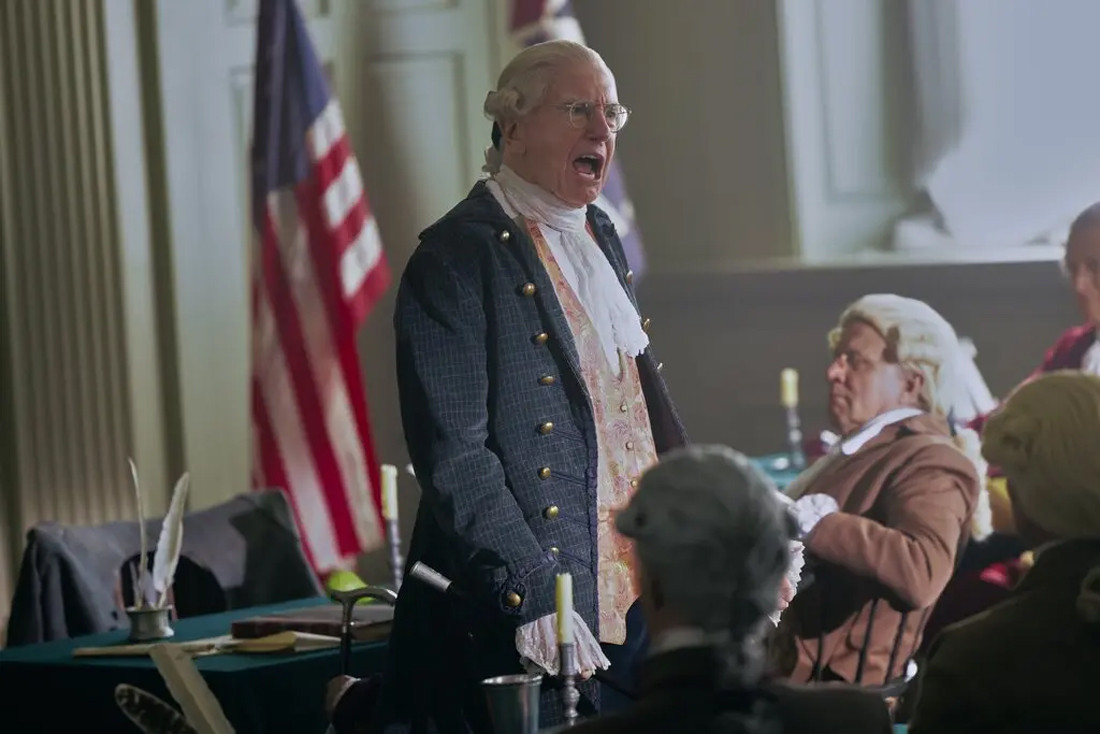
The half-hour series features David recreating famous moments of American history from his curmudgeonly, anal, myopic point of view that defines his character on Curb. He takes on the role of either a famous person from America’s past or a regular witness to one of those events.
Essentially, David is playing himself in different powdered wigs and period costumes like an Americanized Blackadder, the titular character of the far superior British sitcom in which Rowan Atkinson takes on a different version of an acerbic witness to British history’s defining periods.

The first episode finds David adding his unique twists to moments such as the drafting of the Declaration of Independence, Alexander Graham Bell’s first telephone call, a squad of soldiers preparing to go “over the top” of the trenches of World War I, and Rosa Parks’ challenge to Jim Crow.
Things start promising as President Barack Obama introduces the series by reintroducing David as the witness to key American moments. Remember the good ol’ days when a U.S. president could tell and understand a joke and not make it about himself by the time he completed it? Sigh.
Even with such star-power setting the tone for the series, the joke itself in the intro feels weak and almost phoned in by introducing a character we already know, thanks to shows like Seinfeld and Curb. President Obama basically describes this mysterious witness to history (who is standing right behind him, get it?!) as a contemptable bastard who insists the world bend to his rules of polite society.
The segments are introduced with voiceovers by Samuel L. Jackson, setting up the joke for each sketch, which kind of ruins the punchline in a couple of them if you’re even mildly familiar with David’s humor and on-screen character.
The first scene offers David putting his twist on the drafting of the Declaration of Independence as the first draftee, who goes far beyond its 27 core grievances. He includes people who fan themselves in public, take large breaths outdoors, and leave one line to go into another. The joke just goes on a little too long.
The World War I sketch feels like a rehashing of war-movie stereotypes that have been Curb Your Enthusiasm-ized. A soldier asks Larry to bring a love letter back to his beloved if he fails to survive a frontline assault, and Larry objects to the task the way you’d expect him to in any similar situation.
The other bits and decisions that his character makes are pretty similar for the length of the sketch. He violates some kind of social norm for his personal gain or survival, and he’s forced to deal with the repercussions.
The Rosa Parks scene seems like one of those moments of history that’s impossible to spoof, given the gravity and influence of its moment and the sacrifices made to achieve such societal change. Larry finds a way as an annoying passenger named Murray, but the bit goes on a lot longer than it feels is necessary for the jokes to land.
The Bell sketch may be the best, starring David as the phone inventor demonstrating his invention to a crowd of onlookers. The moment is modernized to the cell phone with some funny bits that link to our current communication habits. Richard Kind steals the scene as that guy who lives to talk on the phone when they could just as easily send a wire — or a text message.
David is the one of the greatest comedy minds we have and deserves to win a Mark Twain Prize, if we ever get a president who won’t stick their nose in the proceedings because their skin is too thin to take a joke of any kind. However, this series feels like we’re not getting David at his peak performance. It’s just applying the Curb Your Enthusiasm formula to a new format that we’ve seen done before but way better.